The Inaugural Biblical Studies Symposium

A one-day symposium, streamed live worldwide, where eight leading scholars tackle the biggest questions about how the Bible came to be, capped by a live closing debate on whether the Gospels are based on eyewitness testimony.

The Date Saturday · Nov. 21, 2026
The Format Streamed live worldwide
The Access Live plus lifetime replay
Register for event
In-person sold out · virtual passes available
I. On the day itself

A day for serious readers of an ancient library.

Streamed live worldwide, on the Saturday of SBL.

The Biblical Studies Symposium is a one-day gathering of working biblical scholars, streamed live worldwide. Three paired sessions place a Hebrew Bible specialist alongside a New Testament specialist on the same question, each with thirty minutes of moderated discussion and live audience Q&A.

The day closes with a live debate featuring Bart Ehrman and Michael Bird of Ridley College on whether the Gospels are based on eyewitness testimony, one of the oldest and most-debated questions in New Testament scholarship.

Every session ends with thirty minutes of live, moderated Q&A, so you're not just watching; you're putting your questions to the scholars in real time. And every ticket includes lifetime access to the recordings, to revisit whenever you like.

“To read these texts well is to take seriously that someone, somewhere, two thousand years ago, thought they were worth dying for.” From the program notes
3
Paired sessions
8
Working scholars
1
Closing debate
Lifetime replay
II. Why it's different

A different kind of online event.

Most online Bible events are passive webinars: a talking head, and a chat box you never really use.

The Biblical Studies Symposium is built to be genuinely interactive. Every session has live, moderated Q&A where your questions reach the scholars in real time, and the day ends with a real debate.

Live, discussion-driven, and streamed to you wherever you are in the world.
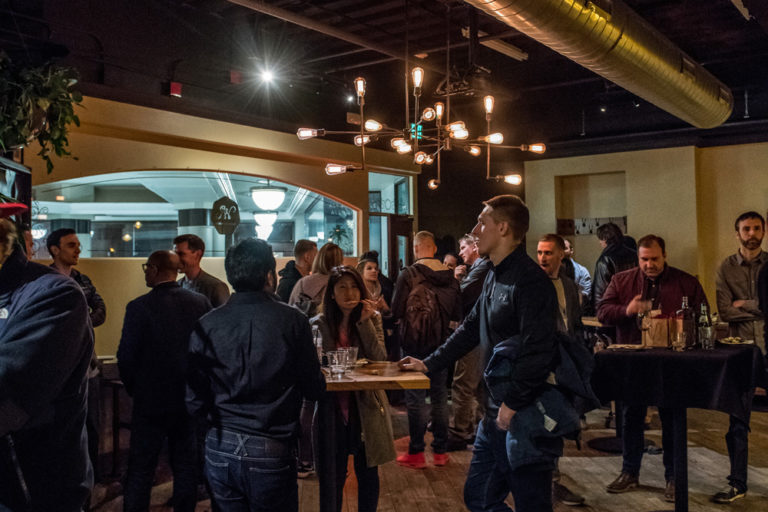
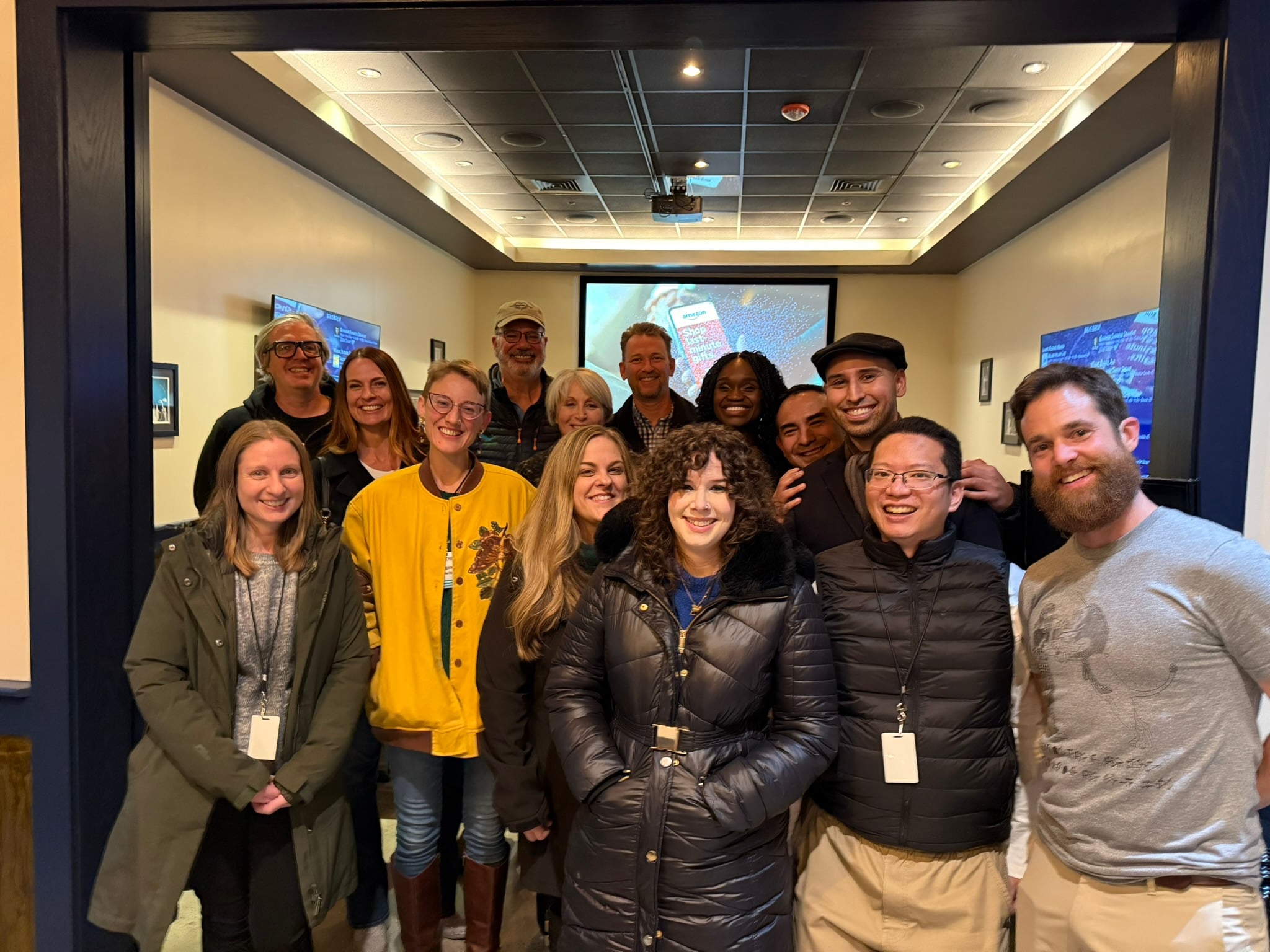
Attendees at Bart Ehrman's UNC retirement lecture
“Having read several of Bart's books and followed his podcast “religiously,” it was an absolute joy to see him in person. Being able to chat with fellow enthusiasts and members of Bart's team felt a little like meeting a long lost family.”
JC
John Chowning Attendee · Bart Ehrman's UNC Retirement Lecture

Get your virtual pass.

III. The assembled

Six scholars, three pairings.

Each session pairs a Hebrew Bible scholar with a New Testament scholar on the same question. Forty minutes apiece, then half an hour of moderated discussion and audience Q&A.
Session I

The debates over sources

Shawna Dolansky
Hebrew Bible
Shawna Dolansky
Associate Professor, College of the Humanities
Carleton University

A specialist in the religion of ancient Israel and the literary formation of the Pentateuch, whose books include The Bible Now (with Richard Elliott Friedman) and a body of work on women, gender, and the Hebrew Bible.

The debates over sources · Hebrew Bible.
John S. Kloppenborg
New Testament
John S. Kloppenborg
University Professor, Department for the Study of Religion
University of Toronto

The foremost authority on the hypothetical sayings source Q and the literary problems of the Synoptic Gospels, with a body of scholarship that has set the terms of the conversation for a generation.

The debates over sources · New Testament.
Session II

The problems with the manuscripts

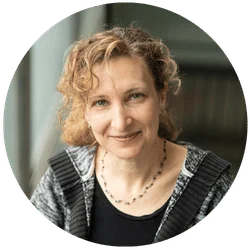
Sidnie Crawford
Hebrew Bible
Sidnie Crawford
Willa Cather Professor of Hebrew Bible and Second Temple Judaism Emerita
University of Nebraska-Lincoln

An authority on the textual criticism of the Hebrew Bible, the Dead Sea Scrolls, and Second Temple Judaism. Her book Scribes and Scrolls at Qumran won the Frank Moore Cross Award from the American Society of Overseas Research and the Biblical Archaeology Society Publication Award for the best popular book on archaeology.

The problems with the manuscripts · Hebrew Bible.
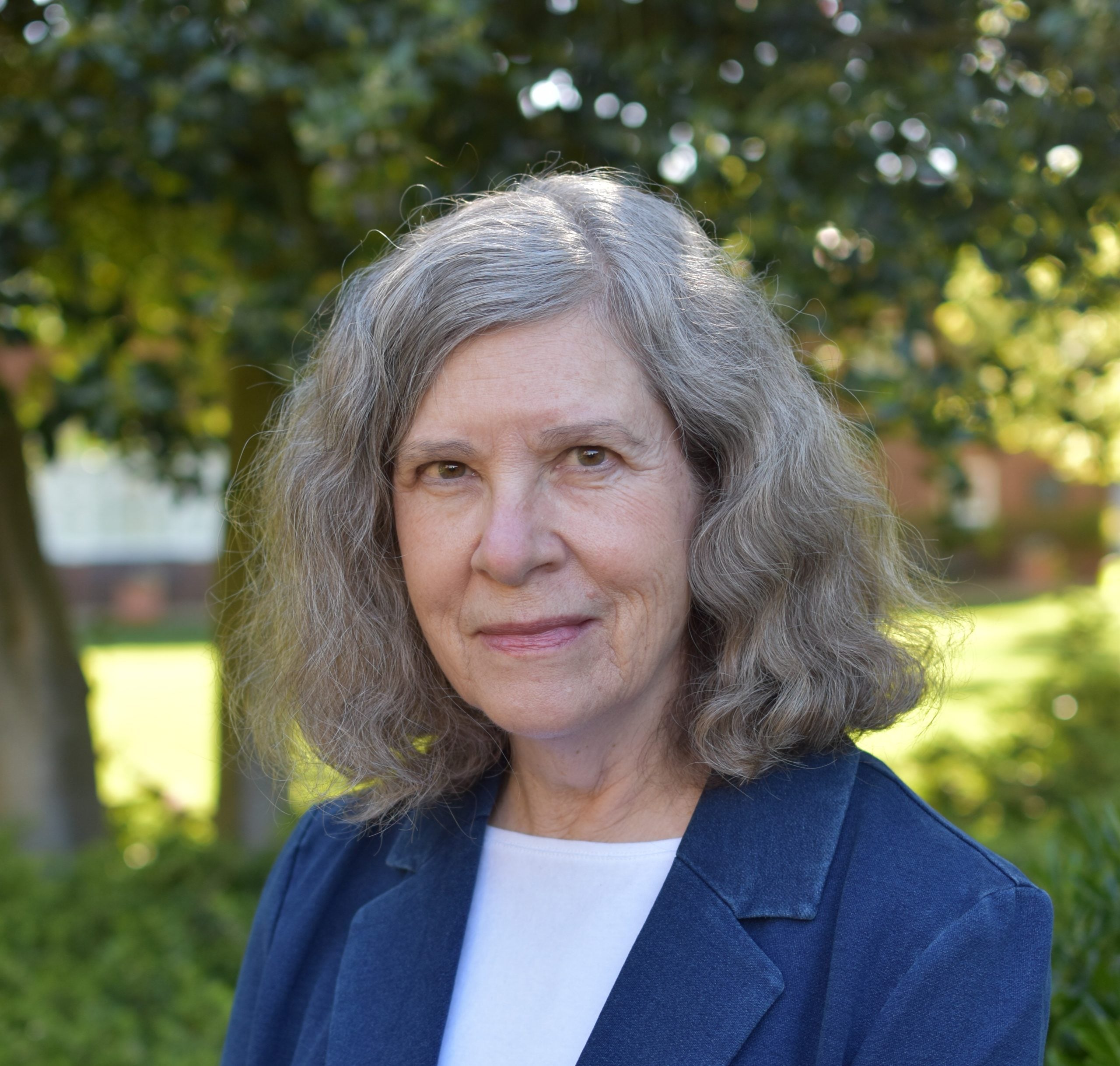
Elizabeth Schrader Polczer
New Testament
Elizabeth Schrader Polczer
Assistant Professor of New Testament
Villanova University

A New Testament textual critic with one of the most unusual paths into the field. Before completing her PhD at Duke, Elizabeth was a touring singer-songwriter who opened for Jewel. Now as one of the sharpest younger voices working on the manuscript tradition of the Gospels, her peer-reviewed manuscript work has appeared in Harvard Theological Review and the Journal of Biblical Literature.

The problems with the manuscripts · New Testament.
Session III

History & legend

Joel S. Baden
Hebrew Bible
Joel S. Baden
Professor of Hebrew Bible · Director, Center for Continuing Education
Yale Divinity School

A leading specialist in the literary history of the Pentateuch and the documentary hypothesis, author of The Composition of the Pentateuch, The Historical David, and The Book of Exodus: A Biography.

History and legend in the Exodus tradition · Hebrew Bible.
Mark Goodacre
New Testament
Mark Goodacre
Frances Hill Fox Professor of Religious Studies
Duke University

A leading historian of the Synoptic Gospels and the Passion narratives, author of The Case Against Q and longtime host of the NT Pod, and one of the field's most precise readers of the gospel accounts of Jesus' death.

History and legend in the Passion narratives · New Testament.
IV. The closing debate

Are the Gospels based on eyewitness testimony?

It's one of the oldest and most-debated questions in New Testament scholarship, and the answer shapes how the Gospels are read. Two top scholars take it up directly, on a single stage, with audience Q&A.

When 3:55 to 5:45 PM
Format 1 hr 50 min · two parts
Audience Q&A on the record
Read bio
Michael Bird
Affirmative

Michael Bird

YesThe Gospels preserve eyewitness recollection of the historical Jesus.

Deputy Principal & Lecturer in New Testament · Ridley College, Melbourne
Michael Bird
Ridley College · Melbourne

Dr. Michael F. Bird is Deputy Principal and Lecturer in Theology and New Testament at Ridley College in Melbourne, Australia. He is an ordained Anglican priest and the author of over thirty books, including the award-winning The Gospel of the Lord: How the Early Church Wrote the Story of Jesus (Eerdmans) and (with N.T. Wright) The New Testament in its World (SPCK/Zondervan).

He co-hosts the Ask N.T. Wright Anything podcast and runs the Early Christian History and AI for Academics YouTube channels.

Read bio
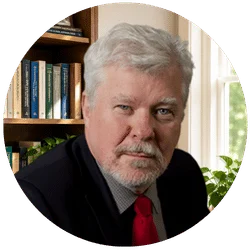
Bart Ehrman
Negative

Bart Ehrman

NoThe Gospels are anonymous narratives shaped by decades of oral tradition.

James A. Gray Distinguished Professor Emeritus · UNC Chapel Hill
Bart D. Ehrman
UNC Chapel Hill

Bart D. Ehrman is the James A. Gray Distinguished Professor Emeritus of Religious Studies at the University of North Carolina at Chapel Hill, where he taught from 1988 until his retirement in 2025. Recognized internationally for his scholarship on the New Testament and early Christianity, Professor Ehrman has written or edited thirty-three books, including six New York Times bestsellers. His college-level textbook The New Testament: A Historical Introduction to the Early Christian Writings has remained the best-selling text in the field for more than twenty-five years. His scholarly works have been published by Oxford, Harvard, Yale, and other premier academic presses, and his books have been translated into twenty-seven languages, reaching millions of readers worldwide.

Beyond the classroom, Professor Ehrman is a widely recognized public scholar. He has produced nine acclaimed courses for The Great Courses, in addition to numerous online courses available through BartEhrman.com. His books and courses have sold more than two million copies.

He also writes for his charitable blog, The Bart Ehrman Blog, which has raised millions for organizations addressing poverty, homelessness, and hunger. In addition, he hosts the weekly podcast Misquoting Jesus with Bart Ehrman, available on YouTube and all major podcast platforms, where he brings cutting-edge biblical scholarship to a global audience.

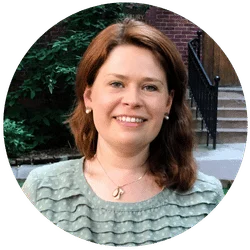
C. J. Cornthwaite
Moderated by
C. J. Cornthwaite

Chris is a scholar of early Christianity with a PhD from the University of Toronto. His research focused on how religion spread across ancient Mediterranean diasporas, from papyri to inscriptions to the social networks behind the earliest Christ groups. After years in policy work and consulting, he returned to his first love: making serious scholarship accessible to people who weren't trained to read it but were born to love it.

V. The program

An hour-by-hour account.

A deliberate arc from morning coffee to late dinner. Subject to refinement, but not to dilution.

8:30·30 min
Arrival

Registration & coffee

A half-hour to settle in before the day begins.

9:00·5 min
Welcome

Opening remarks

Bart Ehrman.

9:05·40 min
Hebrew Bible

The debates over sources · Hebrew Bible

Shawna Dolansky · Carleton University

9:45·40 min
New Testament

The debates over sources · New Testament

John S. Kloppenborg · University of Toronto

10:25·30 min
Discussion

Moderated conversation & audience Q&A

Dolansky and Kloppenborg in dialogue.

10:55·10 min
Interval

Break

A short pause between sessions.

11:05·40 min
Hebrew Bible

The problems with the manuscripts · Hebrew Bible

Sidnie Crawford · University of Nebraska-Lincoln

11:45·40 min
New Testament

The problems with the manuscripts · New Testament

Elizabeth Schrader Polczer · Villanova University

12:25·30 min
Discussion

Moderated conversation & audience Q&A

Schrader Polczer and Crawford in dialogue.

12:55·60 min
Recess

Lunch

A full sit-down meal, included with every ticket.

1:55·40 min
Hebrew Bible

History and legend in the Exodus tradition · Hebrew Bible

Joel S. Baden · Yale Divinity School

2:35·40 min
New Testament

History and legend in the Passion narratives · New Testament

Mark Goodacre · Duke University

3:15·30 min
Discussion

Moderated conversation & audience Q&A

Baden and Goodacre in dialogue.

3:45·10 min
Interval

Break

The day's last pause before the closing debate.

3:55·60 min
★ Debate · Part 1

Opening statements & first exchange

Bart Ehrman & Michael Bird lay out their positions.

4:55·50 min
★ Debate · Part 2

Rebuttals & audience Q&A

The room opens its questions to the floor, moderated, on the record.

5:45·15 min
Farewell

Closing remarks

A short send-off before the room empties for the evening.

VII. Admission

Join us from anywhere.

In-person is sold out Both in-person tiers are gone. Join the full day live from anywhere with a virtual pass.
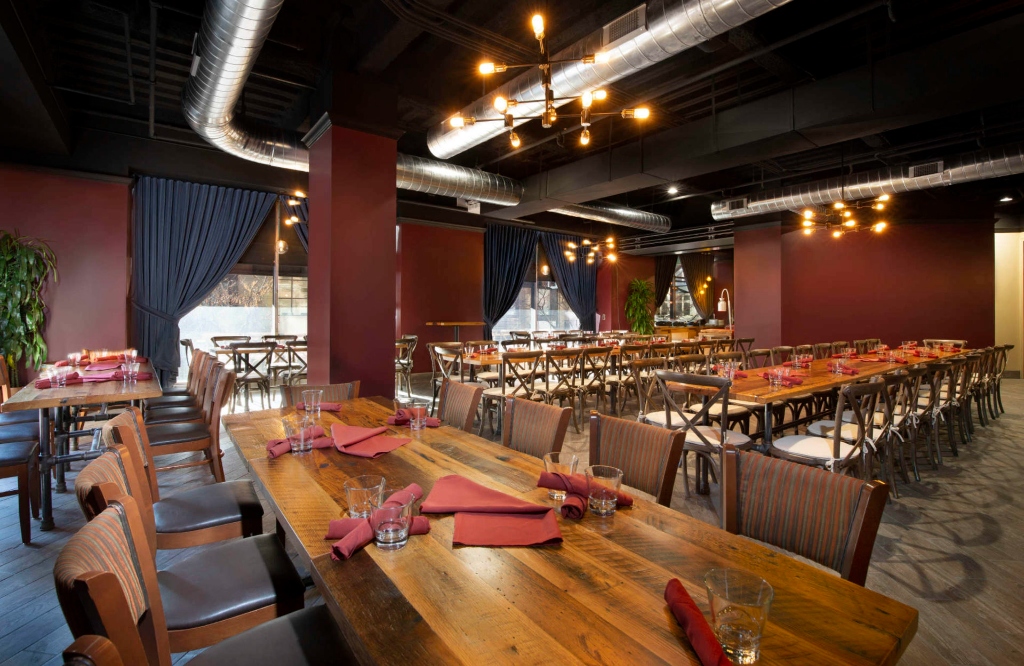
The in-person room · sold out
VIP In-Person

VIP In-Person

VIP Sold Out
General Admission

General Admission

General Admission Sold Out
Our
30
days
Guarantee
A simple promise

If the symposium isn't worth it, we'll make it right.

Cancel up to thirty days before the event and we'll refund every dollar, no questions asked. If you attend and find the day didn't deliver what we promised, write us. We'll listen, and we'll refund you. We mean it. The point of the symposium is the quality of the day, not the booking.

VIII. Questions, answered

Before you book.

BSS is built around three things most online Bible events don't deliver: paired sessions that build a real argument across the day; live discussion and audience Q&A with the scholars in every session; and a closing debate that puts it all to the test.

It's serious scholarship, designed for intelligent non-specialists, streamed live to you anywhere in the world.

No. We plan to hold NINT as a separate virtual event. This year's theme is the Apocrypha and the formation of the New Testament canon.

Both, and everyone in between. No academic background is required. The presentations are designed for an intelligent lay audience: believers, skeptics, and seekers all welcome. The scholarship is accessible without being thinned out.

Yes. Every session ends with thirty minutes of live, moderated audience Q&A, so you can put your questions straight to the scholars in real time. That live back-and-forth is the whole point.

Yes. Every pass includes lifetime access to the event recordings, so you can rewatch any session, any time.

The Virtual Livestream ($119) includes:

  • The live HD stream of every session and the closing debate
  • Live audience Q&A during every session
  • Lifetime access to the recordings

VIP Virtual ($149) adds an exclusive, members-only post-event virtual meet-up with the scholars.

The whole symposium is streamed live online, worldwide. You'll receive your access link and joining details by email before the event, and the recordings stay in your account afterward.

Opening remarks begin at 9:00 AM Mountain Time, and the day runs to about 6:00 PM, with the closing debate from 3:55 to 5:45 PM. Full timings come with your registration email.

Full refund up to thirty days before the event. Within thirty days, tickets are non-refundable but fully transferable; you can pass your seat to a friend or colleague. If something genuinely unavoidable comes up, write us; we'll do our best to make it right.

Early-bird pricing is in effect now; the listed strikethrough prices are the going rates once early-bird closes. There is no separate student discount for this event. Sorry.

All major credit and debit cards, plus Apple Pay and Google Pay through our secure checkout.

One day. Streamed live worldwide. November 21, 2026.

Registration is open now. Join us live from anywhere in the world.

Register for event See the program