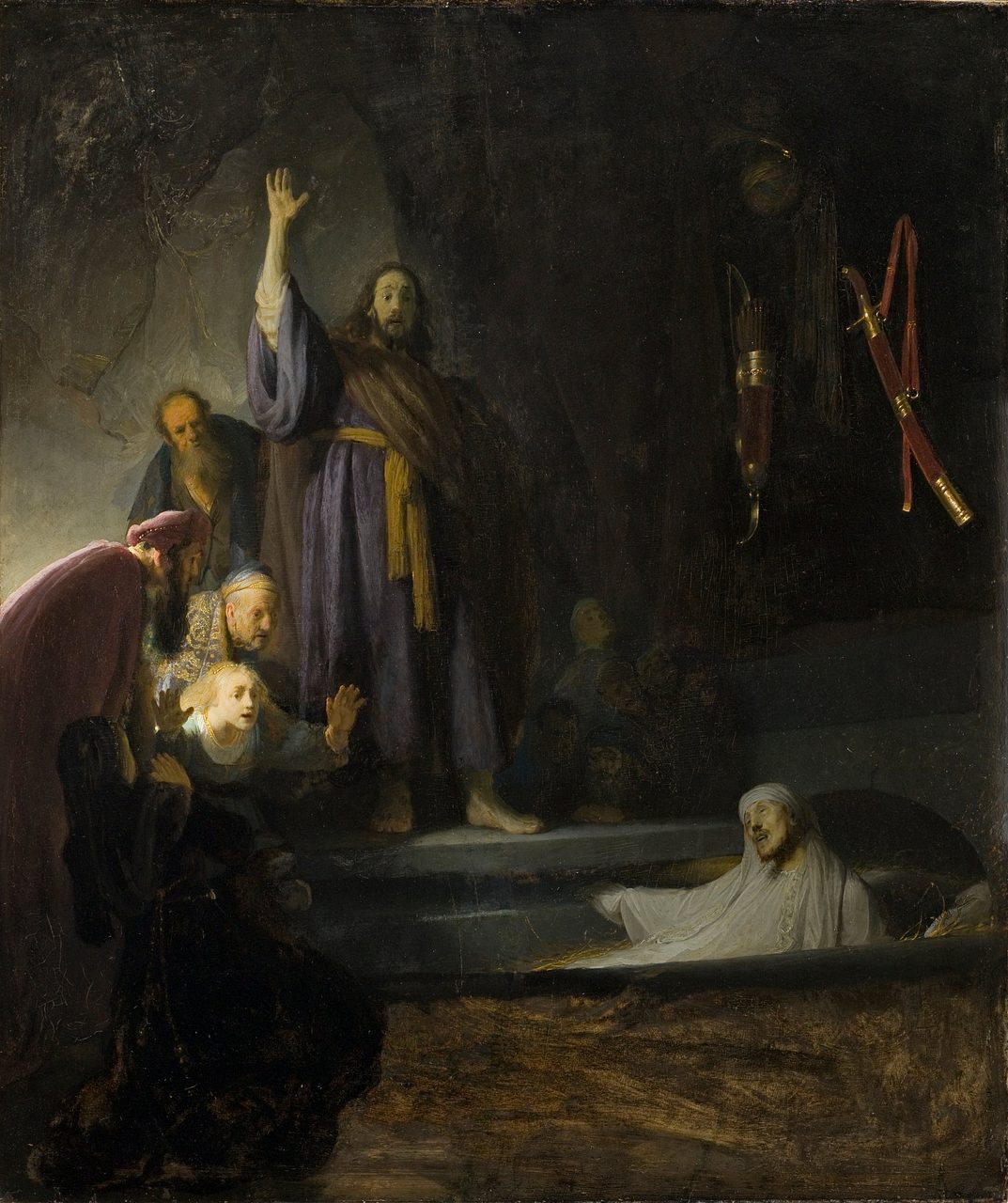
John is strikingly different from Matthew, Mark, and Luke. It is full of unique scenes and miracles, including turning water into wine, taking a secret trip to Jerusalem, and raising a man named Lazarus out of the tomb. The Gospel is also filled with long winding speeches that circle back on themselves.
These differences are not an accident. Writing decades after the events, the author was likely aware of the earlier gospels. But he chose to take a different path, building a new account with incredible care. Almost nothing is where it is by chance. Every scene paints a bold picture of Jesus as an immortal, divine being.
And John paints it with symbols. Water, light, bread, a vine, a shepherd, a mysterious “hour.” He hides his real meaning inside these images, so the surface story is never the whole story.
But what the author hides is bolder than a picture of Jesus alone. Underneath the signs runs a claim so daring it is easy to miss… that Jesus came to earth to turn ordinary human beings into beings like himself. Humans can become spirit, immortal, and divine themselves. That promise is woven into nearly every scene.
Which is why, Dr. Méndez argues, you almost have to read John backwards, catching on a second pass what the signs meant all along. This course teaches you to read John as a historian and literary critic would, decoding how the gospel was built and why.