 All episodes →
 Misquoting Jesus Podcast
Is The Gospel of John Anti-Semitic?
 ▶ Watch on YouTube
 Show notes
Episode Outline:
0:00 Is the Gospel of John anti-Jewish?
0:25 Bart and Megan catch up on Galápagos travel plans and teaching Sumerian
3:02 Why this question matters today amid rising antisemitic hate crimes
7:41 Anti-Semitism vs. anti-Judaism: defining the difference
11:25 How Jews are grouped and portrayed in the Gospel of John
14:14 Why John calls the Jewish leaders simply “the Jews”
16:20 The blind man, his parents, and the threat of expulsion from the synagogue
20:37 John’s community: conflict with the synagogue and the roots of its rhetoric
27:23 Why John’s Gospel reflects a split between Jewish Christians and other Jews
31:45 How John transforms apocalyptic dualism into a vertical heaven-and-earth divide
35:27 Promo: Bart’s free webinar on who wrote the Gospels
36:54 Bart’s Weekly Update: Galápagos, rest, and why scholars need brain breaks
39:16 Listener Q&A: Stephen, paradise, the Lord’s Prayer, Jesus of Montreal, and canon
52:15 Final summary: why John is not “antisemitic” in the modern racial sense, but is deeply anti-Judaic
Episode Description
The Gospel of John is one of the most puzzling books of the New Testament, especially when it comes to understanding its view of Jews and Judaism. On one hand, Jesus is clearly described as a Jew who understands and teaches the law of Moses and who keeps Jewish customs and festivals. On the other hand, the Gospel condemns Jews, makes them guilty for the execution of Jesus, and even declares that their "father" is not Abraham, let alone God, but the Devil. How can one book so fully embrace Judaism and yet condemn it. And importantly, is this kind of vitriolic opposition to Jews and Judaism appropriately called "anti-semitism"? The answer will surprise many listeners.
Also watch these episodes:
The Gospel Truth: What Are the Gospels of the New Testament?
The Gospel Truth: What Are the Gospels of the New Testament?
Did Jesus Even Exist?
Did Jesus Even Exist?
Decoding Gnosticism: Secrets of a Heretical Christian Belief
Decoding Gnosticism: Secrets of a Heretical Christian Belief
In this episode, Bart addresses:
-How to define our terms - what do we mean by “anti-semitic”, and how does it relate to “anti-Judaism”?
-When we consider how the Jewish people are treated and depicted in the gospels, there are three different groups to consider; the Jewish authorities, the people they governed, and Jesus and his followers. Do these seem like reasonable distinctions?
-The Gospel of John doesn’t treat the first two groups kindly. Throughout the Gospel, the Jewish authorities are depicted as constantly trying to catch Jesus breaking the Mosaic law - are they just looking for any excuse to justify their attacks on him?
-Does John's gospel differentiate between the Jewish people and the Jewish authorities?
-John shows the Jewish people as being against both God and Jesus, for example in chapter 8:31-59, which is a conversation between Jesus and a group of unidentified Jewish people in the Temple, in which he calls them the children of the Devil. What should we make of this passage?
-Are there exceptions to John’s apparent anti-semitism?
-How did apocalyptic thinking feed into the response of John’s community after they were kicked out of the synagogue?
0:00 Is the Gospel of John anti-Jewish?
0:25 Bart and Megan catch up on Galápagos travel plans and teaching Sumerian
3:02 Why this question matters today amid rising antisemitic hate crimes
7:41 Anti-Semitism vs. anti-Judaism: defining the difference
11:25 How Jews are grouped and portrayed in the Gospel of John
14:14 Why John calls the Jewish leaders simply “the Jews”
16:20 The blind man, his parents, and the threat of expulsion from the synagogue
20:37 John’s community: conflict with the synagogue and the roots of its rhetoric
27:23 Why John’s Gospel reflects a split between Jewish Christians and other Jews
31:45 How John transforms apocalyptic dualism into a vertical heaven-and-earth divide
35:27 Promo: Bart’s free webinar on who wrote the Gospels
36:54 Bart’s Weekly Update: Galápagos, rest, and why scholars need brain breaks
39:16 Listener Q&A: Stephen, paradise, the Lord’s Prayer, Jesus of Montreal, and canon
52:15 Final summary: why John is not “antisemitic” in the modern racial sense, but is deeply anti-Judaic
Episode Description
The Gospel of John is one of the most puzzling books of the New Testament, especially when it comes to understanding its view of Jews and Judaism. On one hand, Jesus is clearly described as a Jew who understands and teaches the law of Moses and who keeps Jewish customs and festivals. On the other hand, the Gospel condemns Jews, makes them guilty for the execution of Jesus, and even declares that their "father" is not Abraham, let alone God, but the Devil. How can one book so fully embrace Judaism and yet condemn it. And importantly, is this kind of vitriolic opposition to Jews and Judaism appropriately called "anti-semitism"? The answer will surprise many listeners.
Also watch these episodes:
The Gospel Truth: What Are the Gospels of the New Testament?
The Gospel Truth: What Are the Gospels of the New Testament?
Did Jesus Even Exist?
Did Jesus Even Exist?
Decoding Gnosticism: Secrets of a Heretical Christian Belief
Decoding Gnosticism: Secrets of a Heretical Christian Belief
In this episode, Bart addresses:
-How to define our terms - what do we mean by “anti-semitic”, and how does it relate to “anti-Judaism”?
-When we consider how the Jewish people are treated and depicted in the gospels, there are three different groups to consider; the Jewish authorities, the people they governed, and Jesus and his followers. Do these seem like reasonable distinctions?
-The Gospel of John doesn’t treat the first two groups kindly. Throughout the Gospel, the Jewish authorities are depicted as constantly trying to catch Jesus breaking the Mosaic law - are they just looking for any excuse to justify their attacks on him?
-Does John's gospel differentiate between the Jewish people and the Jewish authorities?
-John shows the Jewish people as being against both God and Jesus, for example in chapter 8:31-59, which is a conversation between Jesus and a group of unidentified Jewish people in the Temple, in which he calls them the children of the Devil. What should we make of this passage?
-Are there exceptions to John’s apparent anti-semitism?
-How did apocalyptic thinking feed into the response of John’s community after they were kicked out of the synagogue?
Go deeper on this topic
 Online course
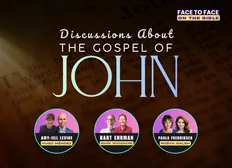
Face to Face on the Bible: The Gospel of John
This is not a traditional course, nor a debate. Explore currently scholarly perspectives about the Gospel of John in a series of paired discussions where ideas collide…
Online course
Face to Face on the Bible: The Gospel of John
This is not a traditional course, nor a debate. Explore currently scholarly perspectives about the Gospel of John in a series of paired discussions where ideas collide…
 Free courseFree
Did Matthew, Mark, Luke, and John Really Write the Gospels?
A free lecture on who actually wrote the Gospels, and how scholars can tell.
Free courseFree
Did Matthew, Mark, Luke, and John Really Write the Gospels?
A free lecture on who actually wrote the Gospels, and how scholars can tell.
Related episodes
 Podcast
Who Really Wrote the Gospel of John?
Podcast
Who Really Wrote the Gospel of John?
 Podcast
Does Paul Think God Hates Jews?
Podcast
Does Paul Think God Hates Jews?
 Podcast
Is the Gospel of John a Forgery?
Podcast
Is the Gospel of John a Forgery?
Read next
 Article
To Whom Was the Gospel of John Written?
Article
To Whom Was the Gospel of John Written?
 Article
Did the Jews Kill (or Hate) Jesus? Learn the Truth!
Find your path New to the gospels?
Article
Did the Jews Kill (or Hate) Jesus? Learn the Truth!
Find your path New to the gospels? Two quick questions build you a personal route: free lectures, current articles and episodes, and the right course for your level.
Build my path →