The Language and Experience of Suffering
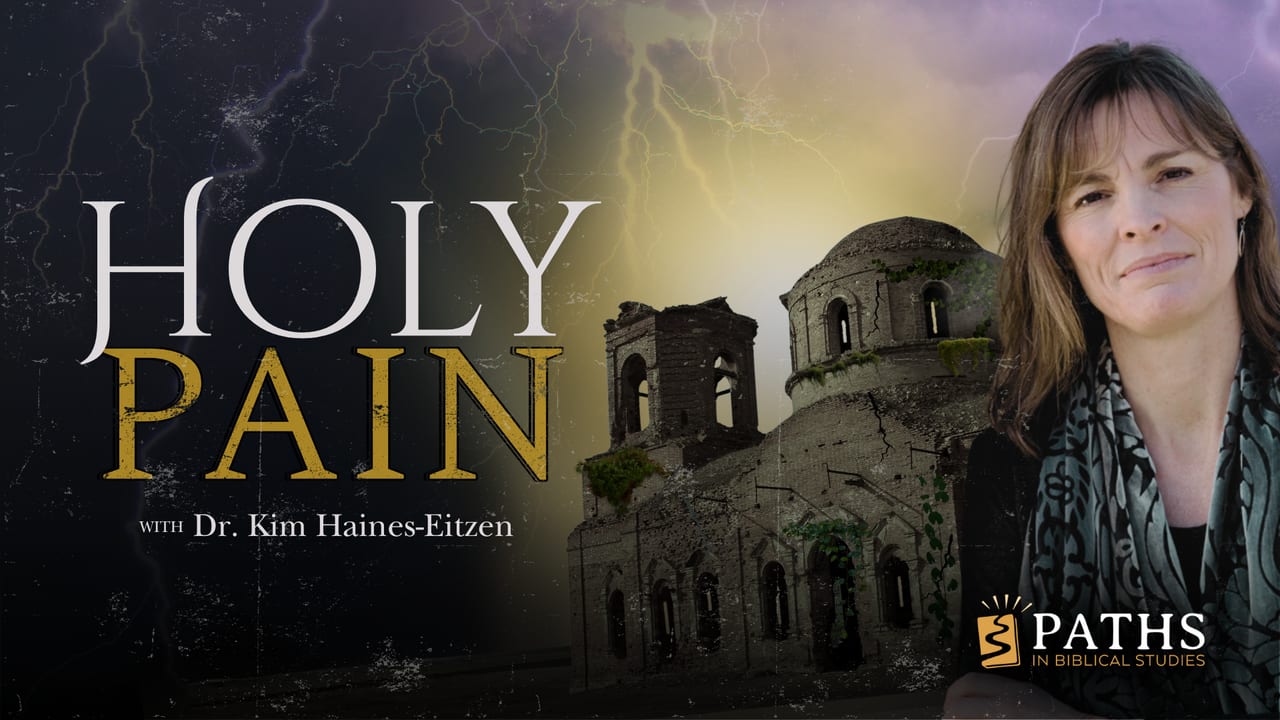
This lecture offers an overview of the varied experiences of suffering in antiquity, the language used to talk about suffering, and the philosophical and practical responses to suffering in the ancient world.
Why early Christians embraced suffering.
The Problem of Suffering
Over a few hundred years, Christians went from enduring pain… to welcoming it… to celebrating it… to walking into the desert to seek it out on purpose.
Why would anyone do that?
The first Christians didn’t invent the answers to suffering out of thin air. They grew up in a world that already had a lot to say about pain: Jewish thought, Greek and Roman philosophy, old ideas about endurance and loss. What they did with all of it is one of the most surprising stories in the history of religion.
That’s what this course is about.

/ 01
Format
On‑demand video
/ 02
Lectures
4 sessions
/ 03
Access
Lifetime, watch anytime
/ 04
Instructor
Kim Haines‑Eitzen
/ 05
Specialty
Early Christianity & Monasticism
The Lectures
From the first words people used for pain, all the way to the monks who fled to the desert to embrace it.
This lecture offers an overview of the varied experiences of suffering in antiquity, the language used to talk about suffering, and the philosophical and practical responses to suffering in the ancient world.
How the apocalyptic worldview tried to make sense of suffering. Rather than seeing apocalypticism as pessimistic, the lecture proposes that ideas about a coming destruction and the vindication of the righteous actually provided a sense of hope in the context of crisis.
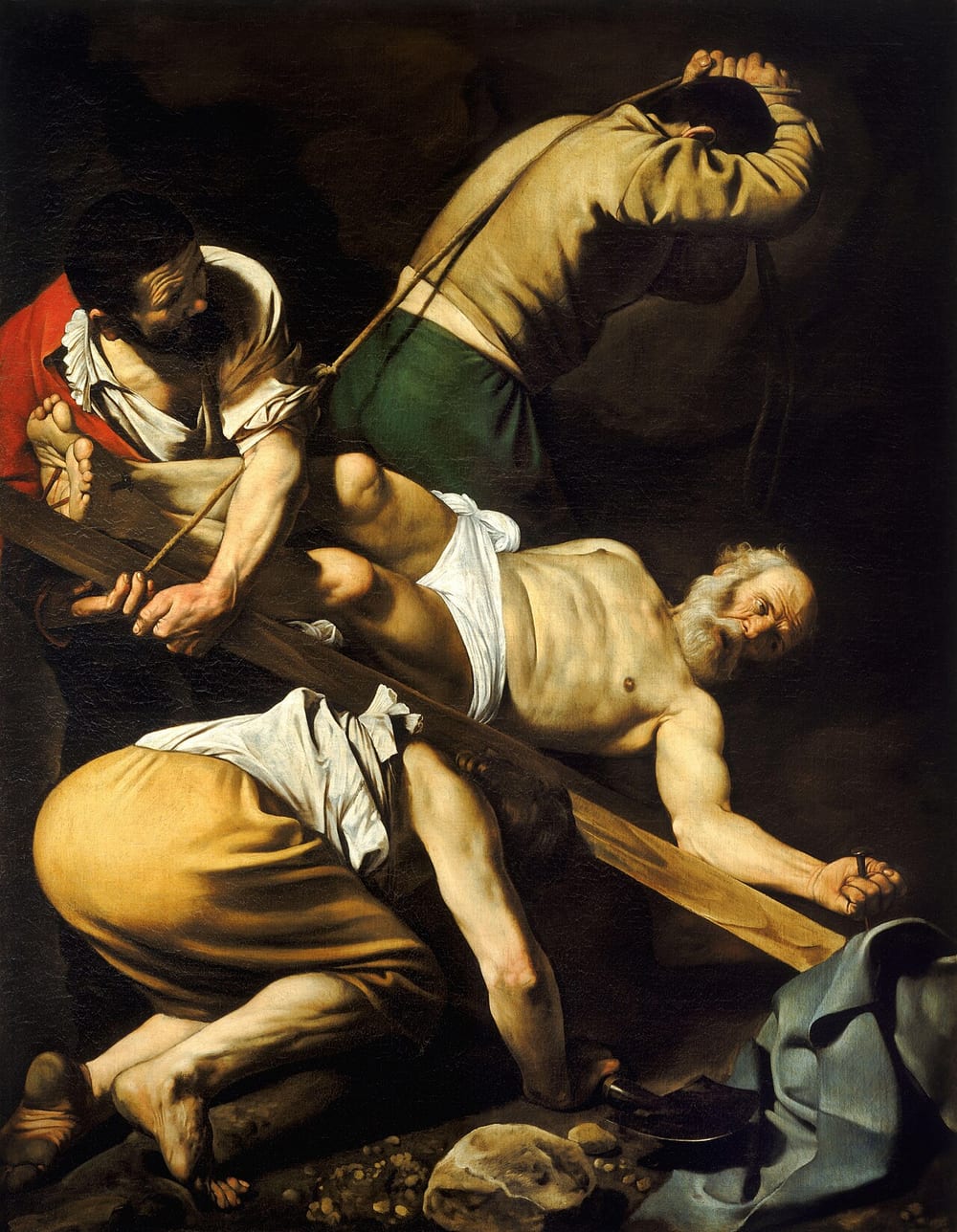
This lecture provides a historical overview of the occasional persecution of early Christians, the roots of the term “martyr” in Greek, and the portrayal of early Christian martyrs from the 1st to 4th centuries. In particular, we discuss the depiction of martyrs as joyous in the face of torture and death.
After providing an overview of the historical context in which early Christian monasticism developed (along with some distinctive Greek terms that help us understand the varieties of monastic practices), the lecture treats the particular example of Antony of Egypt as well as some sayings of the Desert Fathers. In monasticism, suffering comes to be transformed: monks and nuns were praised for their austerity, and their suffering was glorified.
Kim Haines‑Eitzen · 2026 Hendrix Memorial Professor of Early Judaism & Early Christianity · Cornell University
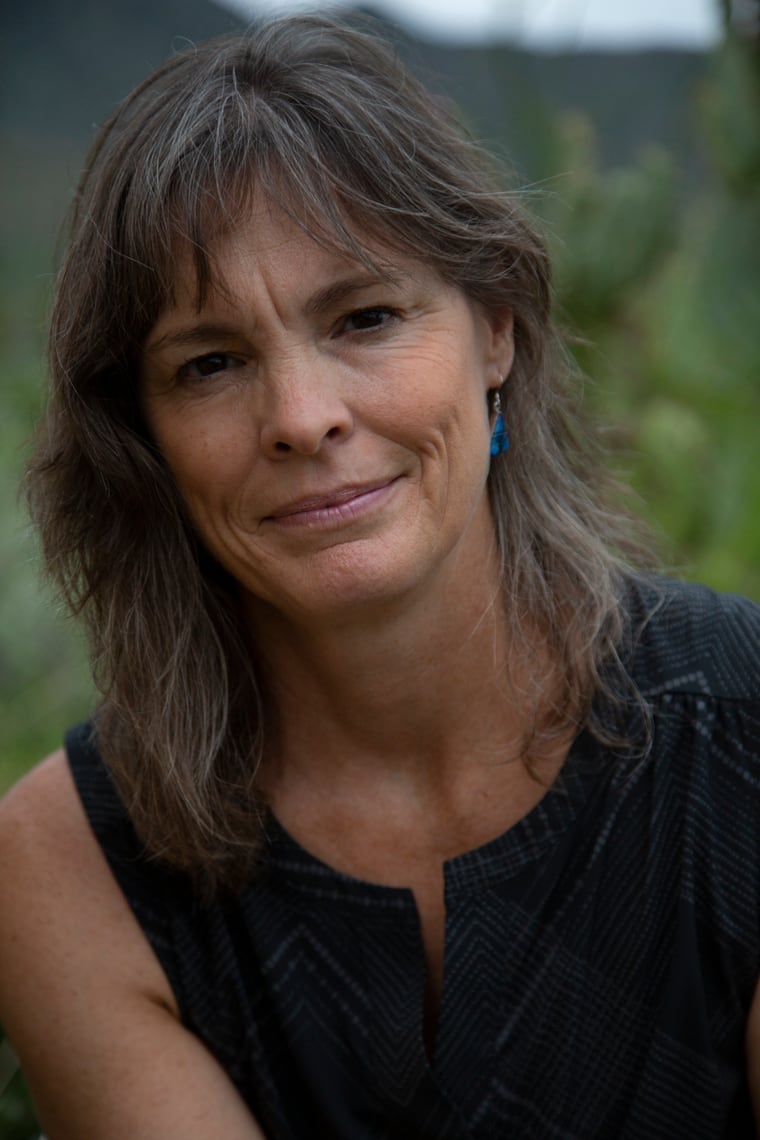
Kim Haines‑Eitzen is the Hendrix Memorial Professor of Early Judaism and Early Christianity in the Department of Near Eastern Studies at Cornell University.
She is the author of Guardians of Letters and The Gendered Palimpsest (with Oxford University Press), and the more recent Sonorous Desert: What Deep Listening Taught Early Christian Monks and What It Can Teach Us and The Gospel of John: a Biography (with Princeton University Press). She appeared in National Geographic’s The Story of God with Morgan Freeman, and appears regularly on a variety of media platforms.
What This Course Offers
Kim Haines‑Eitzen brings the martyrs, mystics, and monks of the early church into a single story, for anyone who has ever wondered why a religion of love made so much room for pain.
/ 01
The apocalypses and pseudepigrapha, the acts of the martyrs, and the sayings of the desert fathers: the actual texts in which early Christians wrestled with suffering.
/ 02
Kim Haines‑Eitzen has spent a career inside the manuscripts and monasticism of early Christianity. You get a specialist’s command of the period, not a survey.
From the cross of Christ to the sand of the arena.
/ 03
All four lectures, plus the recorded Q&A sessions, available on demand. Lifetime access means you can absorb, revisit, and rewatch.
Egypt and Syria, Nitria and Sinai: the harsh landscapes where asceticism became a movement.
/ 04
No prior background in theology or ancient history required. Whether you’re a believer, a skeptic, or simply curious, the story is told from the ground up.
Common Assumption
“Suffering is just something to get through.”
In fact
For early Christians it became something else entirely. What it became is the strangest turn in the whole story.
Common Assumption
“The early church lived under constant persecution.”
In fact
The martyr stories are dramatic. The history is stranger, and a lot of what you picture probably never happened the way you think.
Common Assumption
“Apocalypse means the end of the world… so it must be about despair.”
In fact
People in despair looked to the apocalypse reaching for hope. Once you know what it meant to the people who coined it, half the New Testament reads differently.
/ 01
Recorded from the two‑day event. Kim answers real questions from attendees, going deeper on pain, martyrdom, and the desert.
/ 02
Download Kim’s slides for all four lectures, plus a list of recommended readings, perfect for review or to take the material further.
/ 03
MP3 downloads and full transcripts of every lecture. Listen on the go, search the text, or follow along if English is not your first language.
$1 from every registration is donated to charity: water, bringing clean water to people in need.
Enjoy the course at a fraction of the cost
$99.80 Value Each single-lecture course retails for $24.95. Four of them = $99.80.
Regular Price $59.95 Special Launch $47.00 Ends July 9
$59.95
Included in Your Purchase: Lifetime Access to This University-Level Course With:
Access this Course PLUS Every Course in Our Vault
(250+ Hours of Biblical Learning!)
then special rate $49.95/month
Kim Haines‑Eitzen presents four fifty‑minute lectures (on the language of suffering, apocalyptic thought, martyrdom, and monasticism), plus the recordings of two live Q&A sessions. All are available on demand, so you can watch at your own pace.
It was recorded live over two days with a real audience and live Q&A. You get the full, edited recordings (all four lectures and both Q&A sessions) to watch on demand whenever you like.
Once you have purchased the course, you will receive instructions by email to log in to our online course platform, ThriveCart Learn. Once logged in, you will find all four lectures available to watch on demand. If you are a member of Biblical Studies Academy (BSA), your access will also be available inside the community.
Yes. All four lectures are yours with lifetime access. You can watch them on any device, on your own schedule, and return to them as often as you like.
No prior knowledge required. Kim introduces the texts, the figures, and the controversies as the course unfolds. Whether you’re coming in fresh or already have a background in religious history, you’ll find the course genuinely rewarding.
Yes. All lectures include closed captions, and full transcripts are included with the course, so you can follow along in text or search for specific passages.
We accept PayPal and all major credit cards.
Absolutely. If you don’t love the course, send us an email at support@bartehrman.com within 30 days of purchase and we will refund 100% of your investment.
Comparable university courses on early Christianity routinely run into the thousands of dollars. We don’t offer college credit, but you get the same depth and rigor at a fraction of the cost: graduate‑level scholarship made accessible.