
Image Credits
Visions of the End
Every image on the course page, with its source, license, and the reason it was chosen. The artwork is public-domain Jewish and Christian apocalyptic art and Second Temple artifacts, sourced from Wikimedia Commons; a few photographs carry Creative Commons licenses, noted below.
| Image | Work & Attribution | License | Where it appears | Why it’s included |
|---|---|---|---|---|
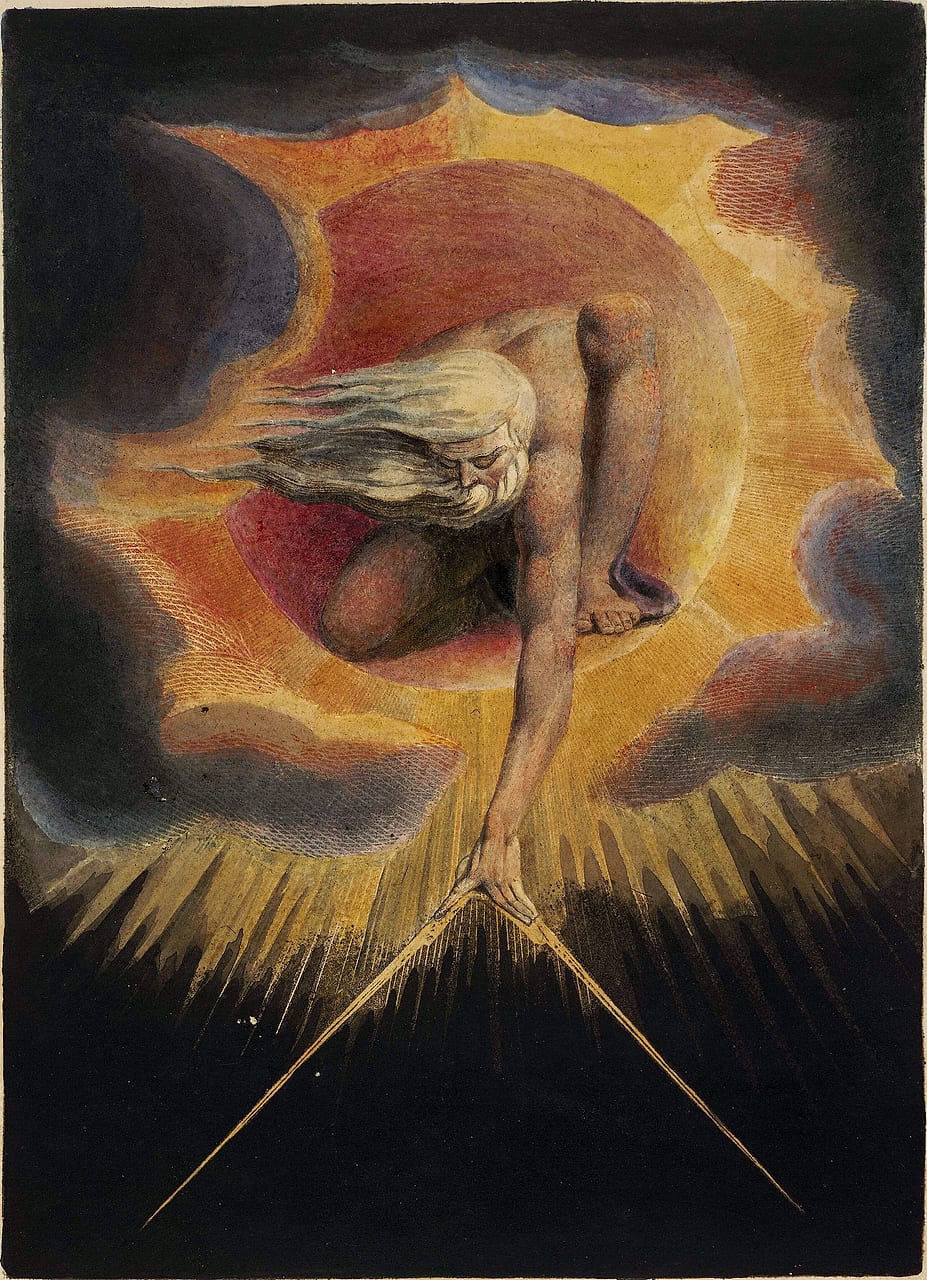 ancient-of-days.jpg | The Ancient of Days (Europe a Prophecy, copy D) William Blake 1794 Source ↗ | Public domain (British Museum) | Hero background | Blake’s hand-colored frontispiece — the creator-god leaning out of the sun to set a compass over the deep — is the most iconic image of cosmic order and the turning of the ages. It sets the apocalyptic tone the moment the page loads. |
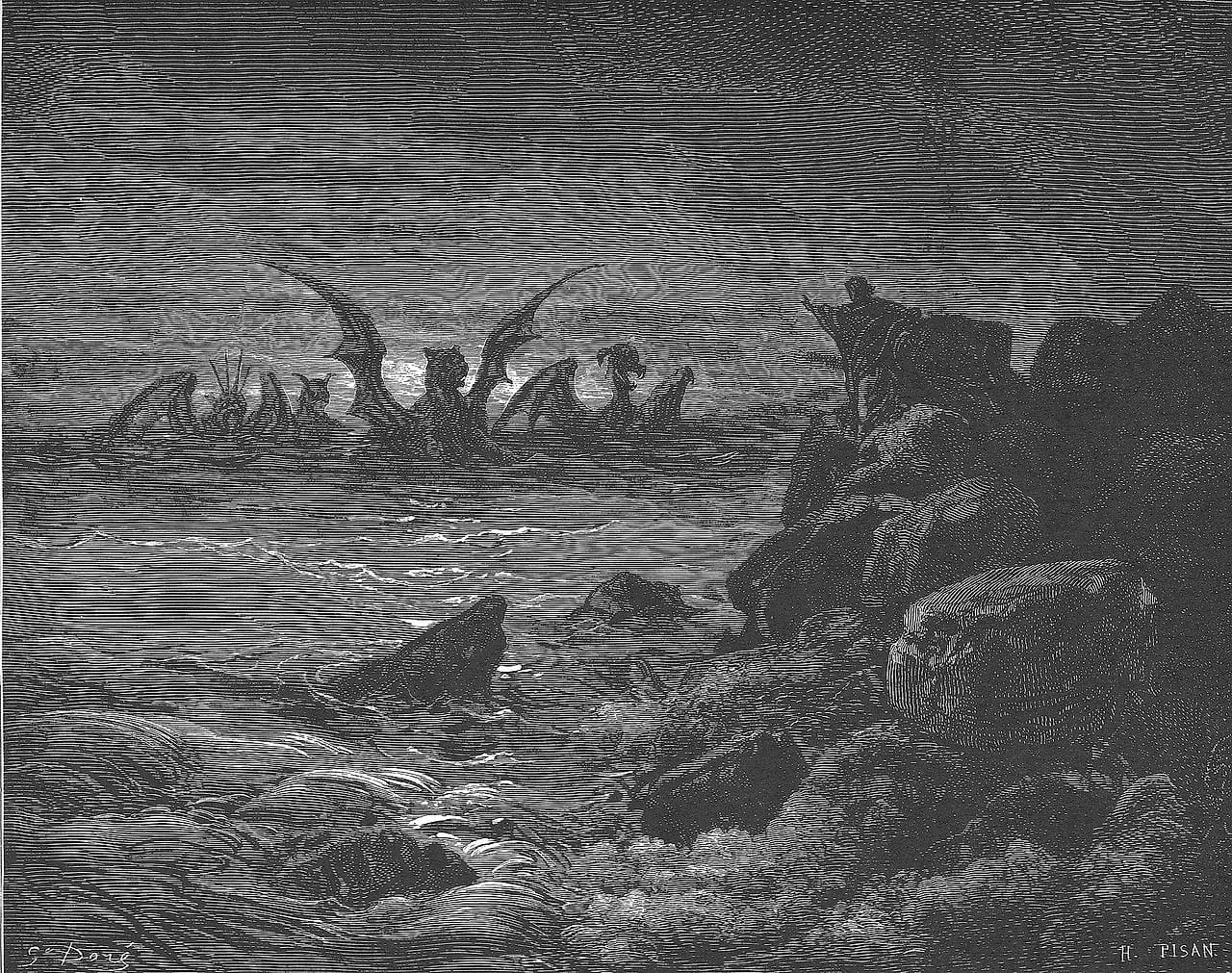 four-beasts.jpg | Daniel’s Vision of the Four Beasts Gustave Doré 1866 Source ↗ | Public domain | Origin section figure (“What The End Really Meant”) · Bonuses backdrop | Daniel’s beasts rising from the sea are the seedbed of Jewish apocalyptic imagery and the two-ages framework the course is built around — the central figure for the section on what “the end” really meant. |
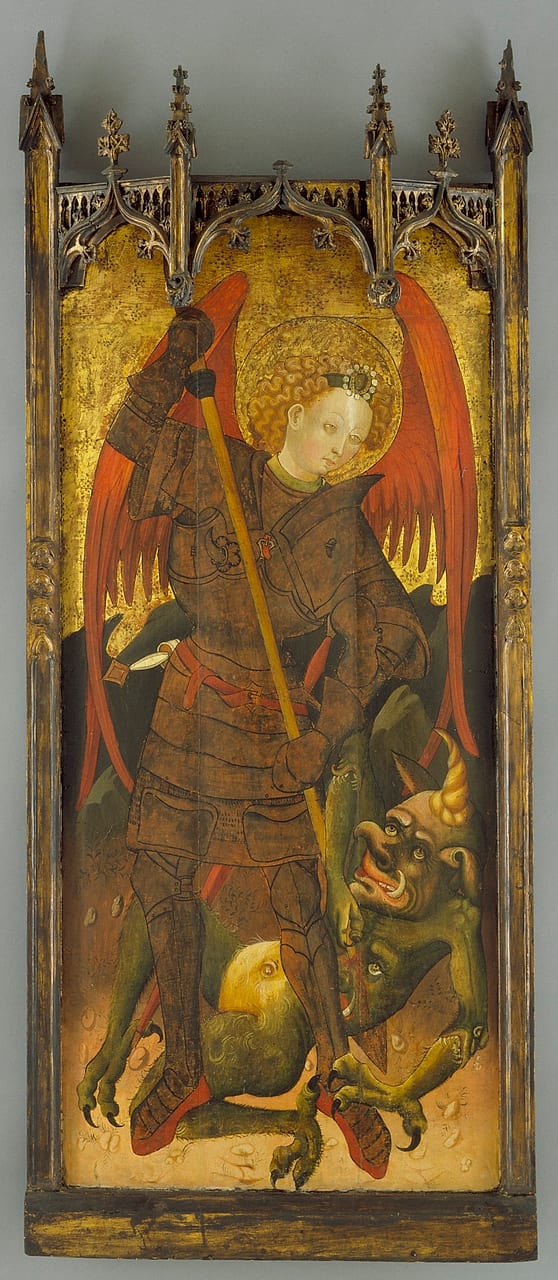 michael-dragon.jpg | Saint Michael Fighting the Dragon Spanish (Catalan) school c. 1405 Source ↗ | Public domain (LACMA) | Hero ornament · “Prepare to Rethink” backdrop | The cosmic battle of good against evil, in gold leaf. A vivid emblem of the war of light and darkness that runs through apocalyptic literature. |
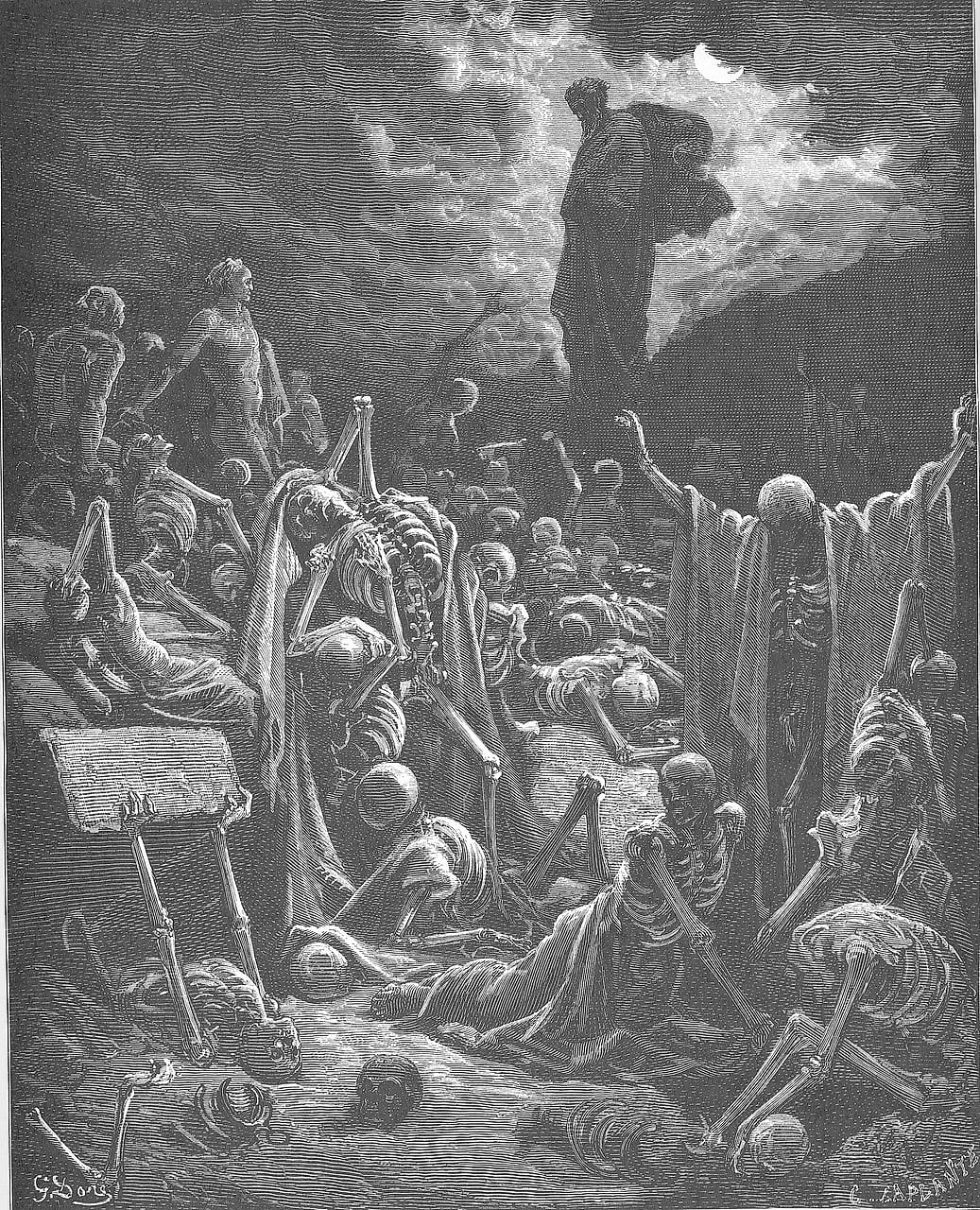 dry-bones.jpg | The Vision of the Valley of Dry Bones (Ezekiel 37) Gustave Doré 1866 Source ↗ | Public domain | Hero ornament · “Resurrection & Divine Justice” theme | Ezekiel’s dry bones coming back to life is the defining image of resurrection, the hope the course argues was born from a belief in the justice of God. |
 isaiah-scroll.jpg | The Great Isaiah Scroll (1QIsaᵃ) Qumran scribes (Israel Museum) c. 125 BCE Source ↗ | Public domain | Hero ornament · “Birth of Apocalyptic” theme · Highlights | The most complete of the Dead Sea Scrolls and the course’s flagship primary source — the literature at the heart of the “Birth of Apocalyptic” theme. |
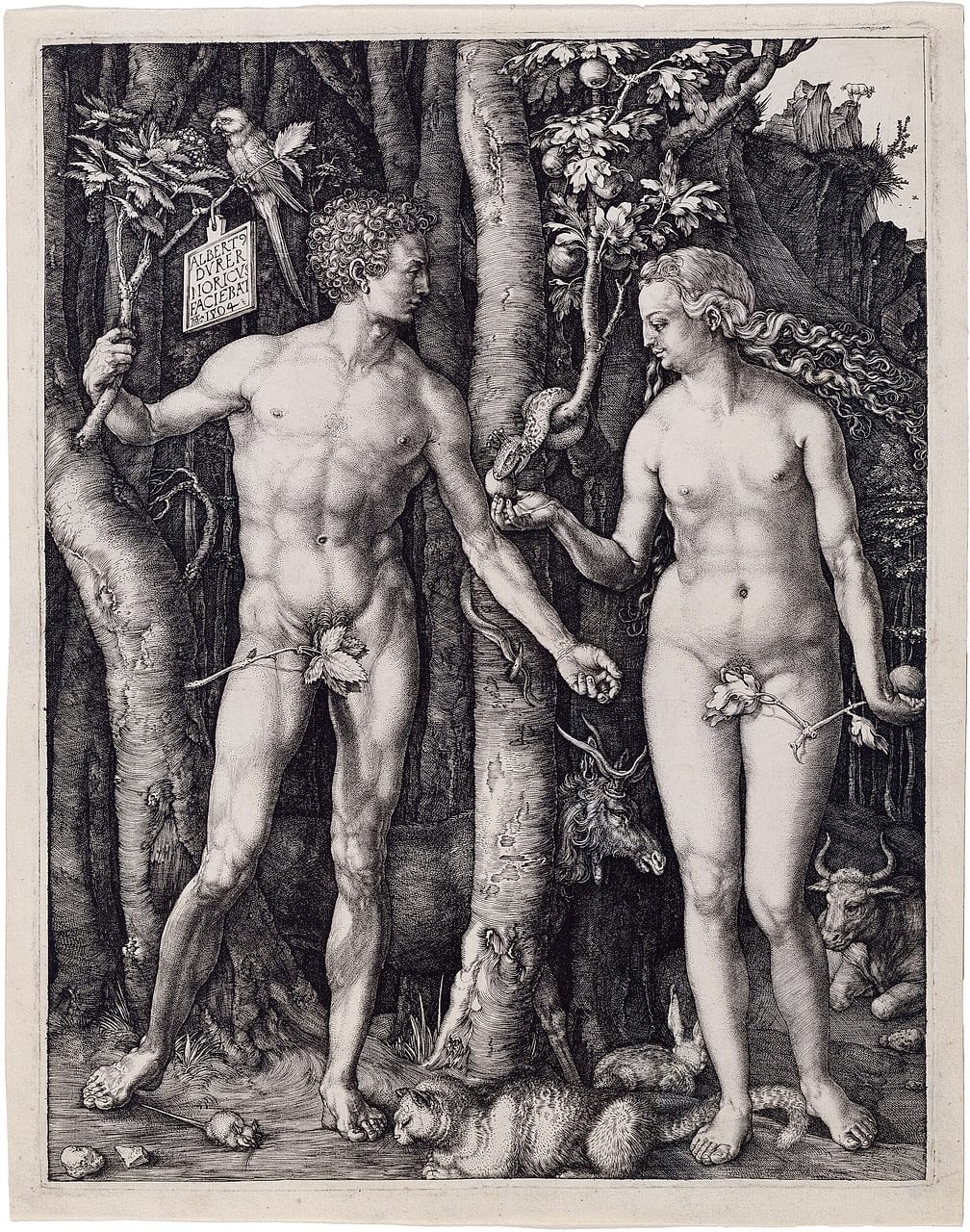 eden.jpg | Adam and Eve Albrecht Dürer 1504 Source ↗ | Public domain | “A Story With an Ending” theme | Eden is where the single, unfolding story begins. Dürer’s engraving introduces the garden-to-covenant arc the course traces toward the age to come. |
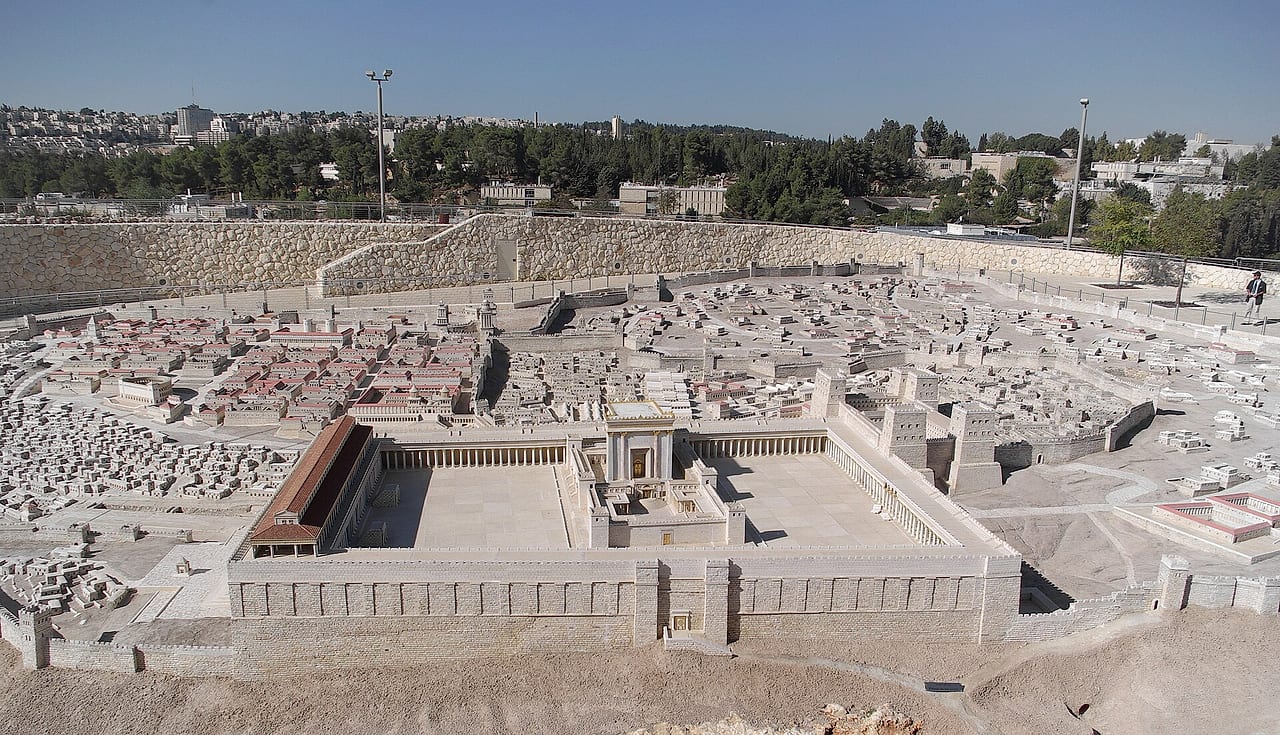 temple.jpg | Model of Second Temple-era Jerusalem (Holyland Model) Photo: Berthold Werner 2008 Source ↗ | Public domain | “Exile and Restoration” theme · FAQ backdrop | A reconstruction of the Temple and city at the heart of Second Temple Judaism, the world in which the hope of Israel’s restoration took shape. |
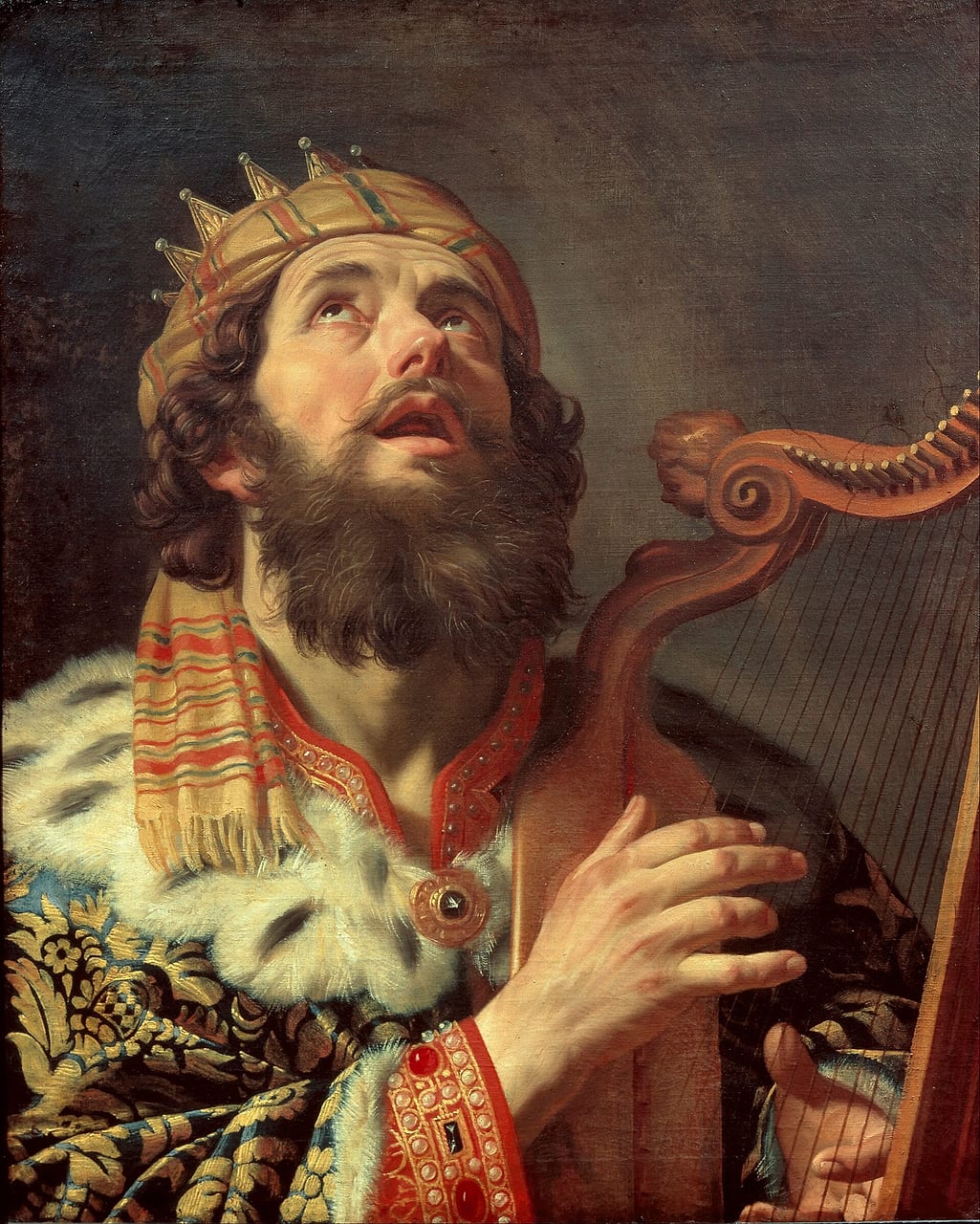 messiah-david.jpg | King David Playing the Harp Gerard van Honthorst 1622 Source ↗ | Public domain | “Many Messiahs” theme | David, the royal/Davidic template for messianic hope, stands in for the strikingly diverse range of anointed figures the course works through. |
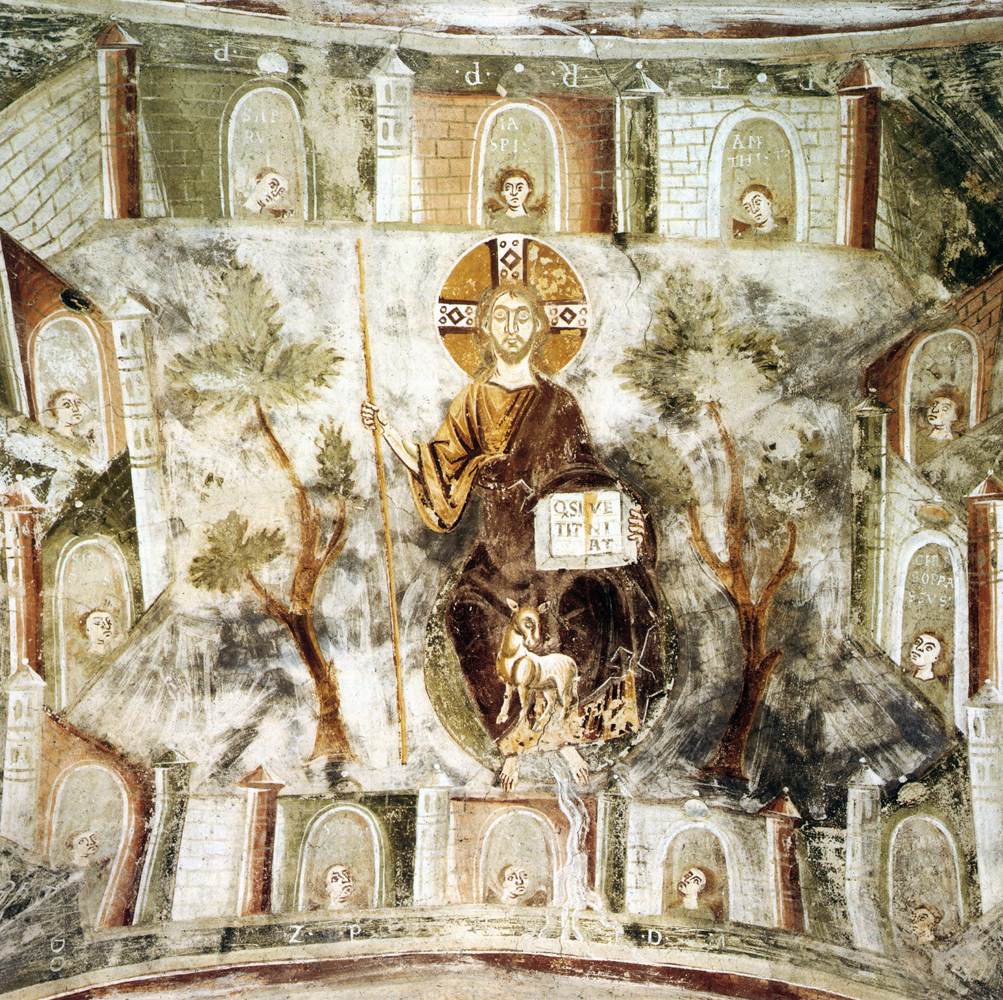 new-jerusalem.jpg | The Heavenly Jerusalem Unknown (11th-century fresco) 11th century Source ↗ | Public domain | “The End That Birthed Christianity” theme · Highlights | The new Jerusalem and the kingdom of God: the age-to-come hope that early Judaism and early Christianity shared. |
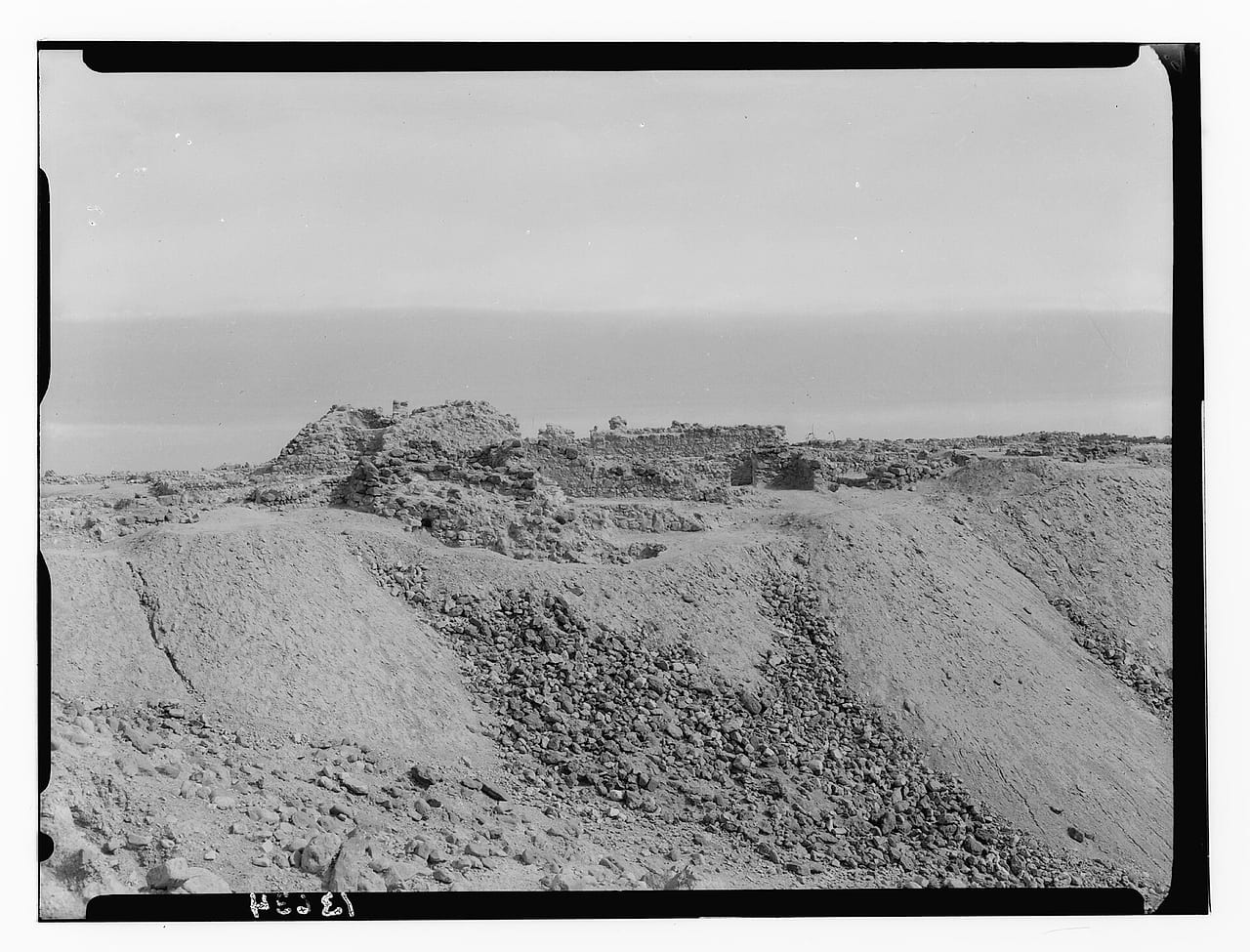 qumran.jpg | Khirbet Qumran and the Dead Sea Matson Photograph Collection (Library of Congress) c. 1950 Source ↗ | Public domain | Instructor backdrop · Highlights image card | The site where the scrolls were found and copied. It grounds the course’s recurring trips into the world of Qumran. |
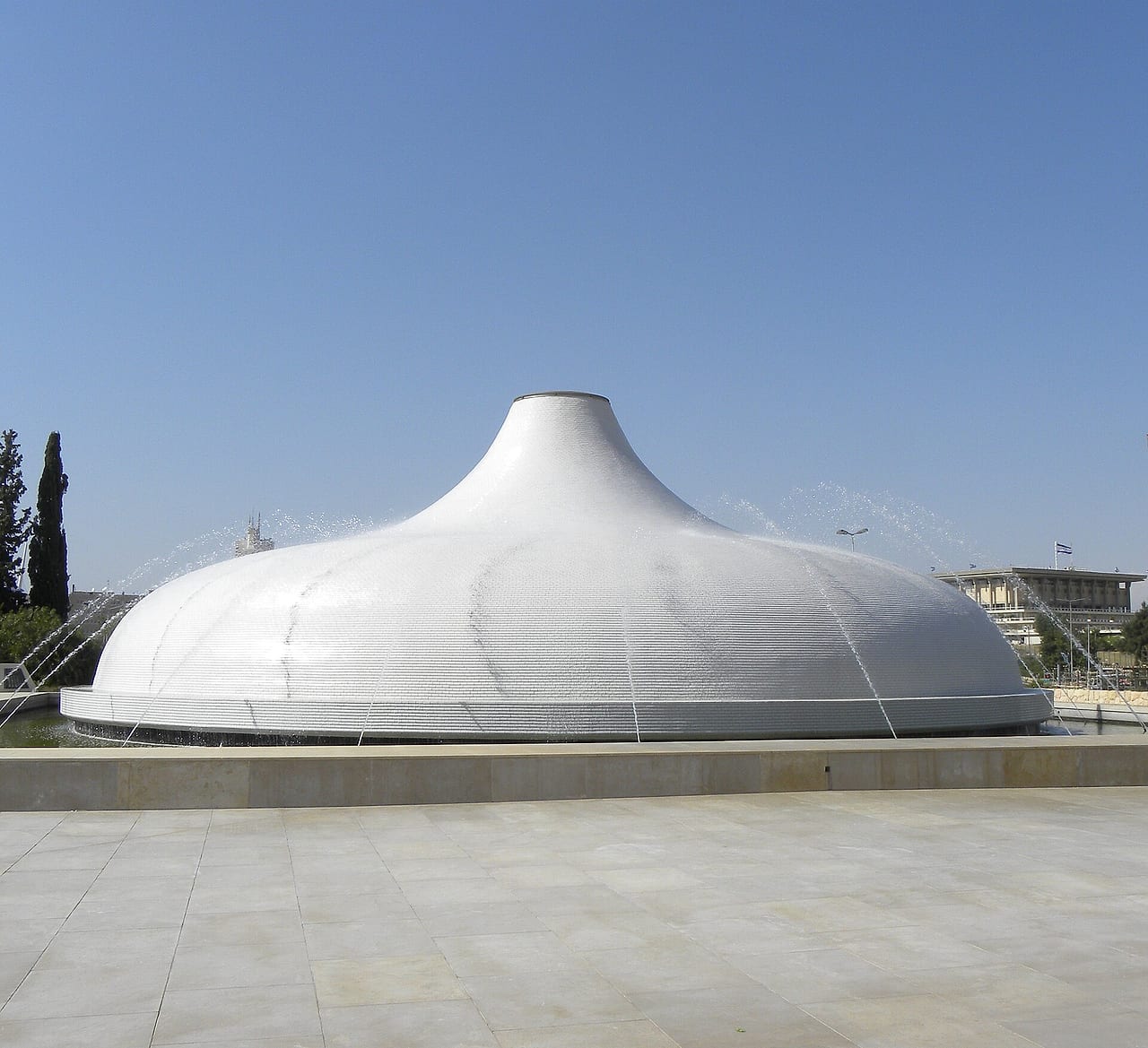 scroll-jars.jpg | Shrine of the Book, Israel Museum Photo: Ian Scott 2009 Source ↗ | CC BY-SA 2.0 | At-a-Glance backdrop · Schedule backdrop | The vessels and vault that preserved the Dead Sea Scrolls, a quiet nod to how this literature survived to be read at all. |
 starry-sky.jpg | Starry night sky Mathias Krumbholz 2014 Source ↗ | CC BY-SA 3.0 | Stats backdrop | The night sky behind the course stats. It echoes the promise to Abraham of descendants like the stars, and the idea that the righteous would shine like them. |
Public-domain works are reproduced freely. CC BY / CC BY-SA images are credited to their photographers as required; follow each Source link for the full license text.