A New Live Course

The Bible by Committee

Most people assume Moses wrote the first five books of the Bible as one consistent story. So why is it so inconsistent?

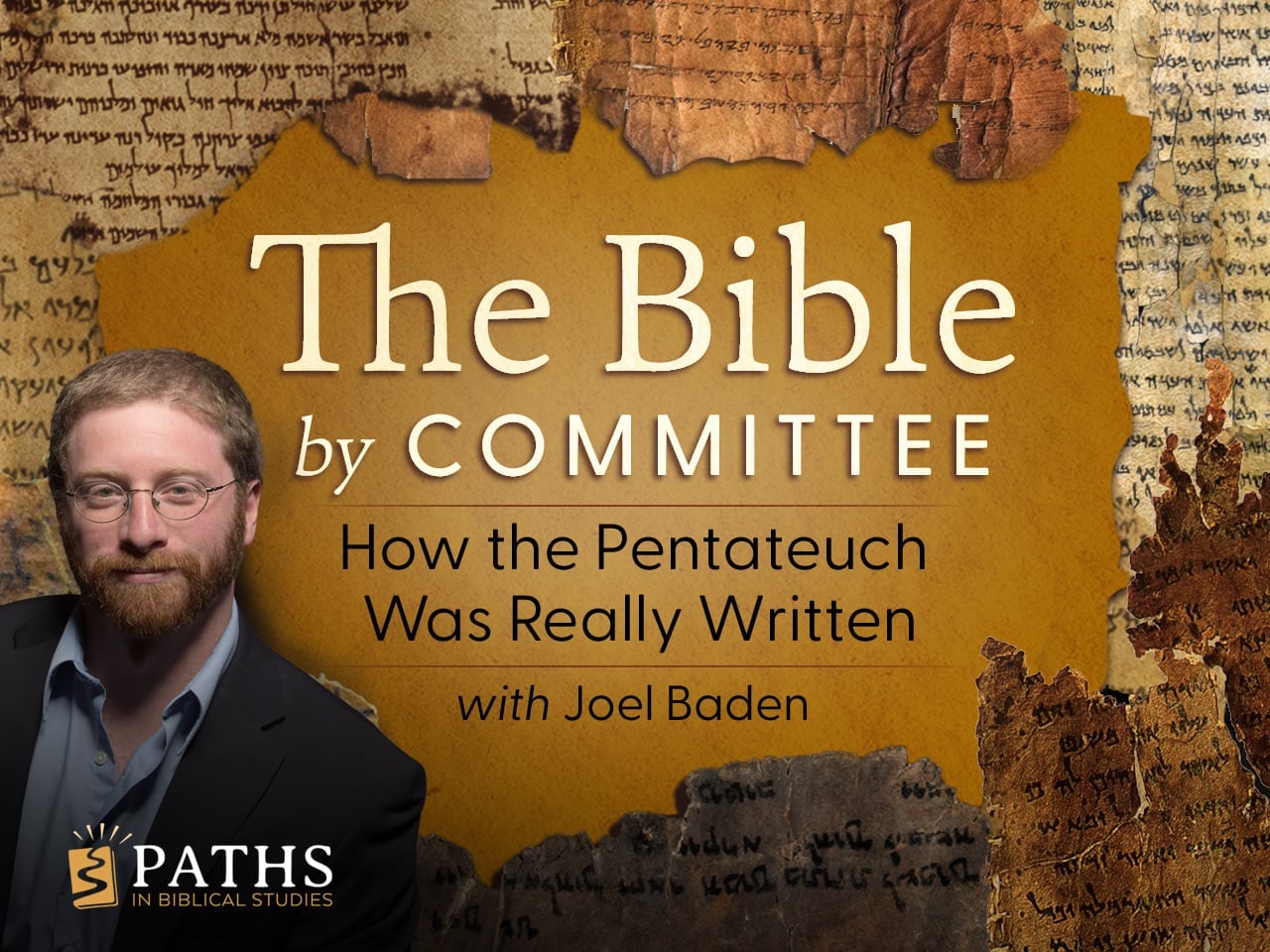
The Bible by Committee course art
Live · Oct 30 - Nov 1 10 Lectures Joel Baden · Yale

The Problem

One author should tell one story.

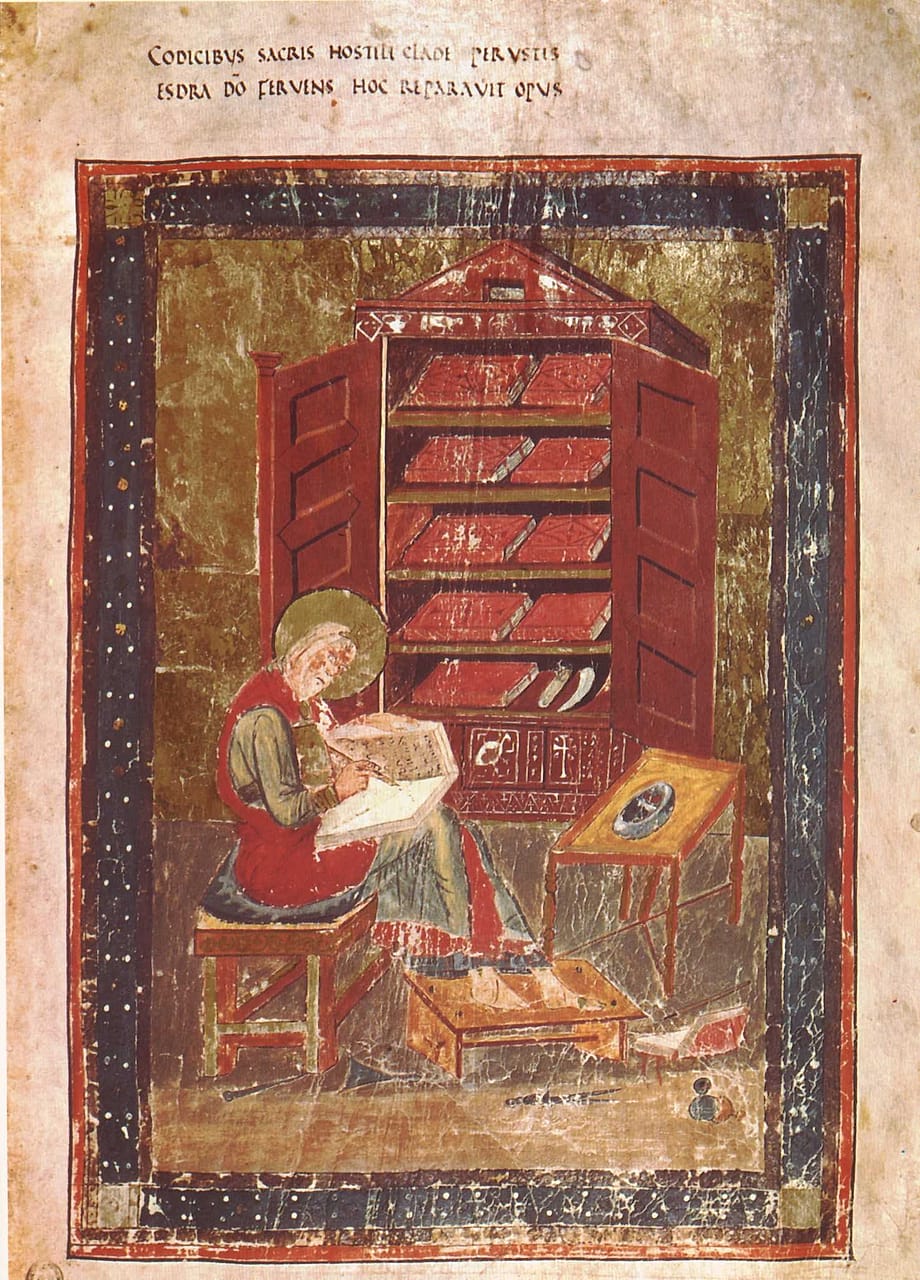
The scribe Ezra writing, from the Codex Amiatinus, c. 700
Ezra the Scribe Codex Amiatinus · c. 700

For more than two thousand years, readers have called these the Books of Moses. Tradition says one author wrote them, telling one story in one voice.

Then you start reading. Genesis 1 starts with creation then Genesis 2 follows with... another creation? The flood lasts forty days, and also a hundred and fifty. Whole stories run through these books twice, told two different ways.

In this 10-session course, Joel Baden of Yale looks at these moments where the story doesn't go the way you expect, and he asks why. Where do these stories come from? Who wrote them? How do we know?

This is the material Joel has spent his whole career on, and he teaches it live across three days with time built in for your questions. You'll never read these texts, or the Bible, the same way again.

Most courses just hand you that conclusion. This one shows you the case. Passage by passage, you will watch the evidence accumulate, and learn to spot the seams yourself.

Your guide is Joel Baden of Yale, one of the world’s leading scholars of the composition of the Pentateuch, teaching live across three days with time built in for your questions.

By the end, creation, the flood, Sinai, and the wilderness will read differently. Not diminished: richer, stranger, and far more interesting. You will never read these texts, or the Bible, the same way again.

Course at a Glance

Three days, live with Joel Baden.

Format

Live online, then recorded

Lectures

10 · 50 minutes each

Live Q&A

5 Q&A sessions with Joel

Dates

Oct 30 through Nov 1, 2026

Access

Lifetime, watch anytime

Instructor

Joel Baden · Yale

Ten lectures,
thread by thread.

The Lectures

Two lectures on Friday evening, four on Saturday, and four on Sunday, each about fifty minutes, with five live Q&A sessions across the weekend. The course works inductively: each passage adds a piece, and the picture of how the Pentateuch was made assembles itself as you watch.

Lecture 01

Introduction: Why Not Moses?

We set the stage for everything that follows. Why did anyone ever think Moses wrote the Pentateuch, and why have scholars long since concluded he did not? What is it about these five books that forces the question of authorship in the first place?

Setting the stage
Lecture 02

Creation and the Flood

Beginning with some of the most famous texts in the Bible, we see how readers have missed, unintentionally or not, major contradictions in these stories. And not only contradictions but continuities: whole parallel accounts running through the same chapters. How do we make sense of this material?

Genesis 1-2, 6-9
Lecture 03

The Sale of Joseph

A familiar story that does not make much sense when you try to read it as it stands. Who pulls Joseph from the pit, and who sells him to whom? This chapter becomes our laboratory for the main principles of how scholars analyze pentateuchal texts.

Genesis 37
Lecture 04

Enslavement in Egypt

The Exodus story is famous, but it may not be as straightforward as it usually seems. Here we discover that different authors had very different ideas about what happened to Israel in Egypt, and the differences are anything but small.

Exodus 1-2
Lecture 05

The Call of Moses

It is the burning bush, but it is more than that. What exactly are God’s instructions to Moses in this scene, and what do they set up for the rest of the story? The answers matter more than almost any reader suspects.

Exodus 3
Lecture 06

The Plagues

How many plagues were there? What were they, what were they for, how long did they take, and where did they happen? There are far more questions in this well-known story than most readers suspect, and what happens here shapes how we understand God’s purpose in the Exodus.

Exodus 7-10
Lecture 07

Crossing the Sea

Just like in the movies, right? Sort of, but not only like that. Some versions of this story are strikingly different from the one we think we know, and our eye glides right over the contradictions on the page.

Exodus 14
Lecture 08

The Theophany

The high point of the entire Pentateuch, literally and figuratively, is also one of its most complex passages. What happened at the mountain, and how did different authors imagine Israel’s relationship with God?

Exodus 19-20
Lecture 09

The Spies

Perhaps the most famous moment in the book of Numbers: the day Israel is condemned to forty years of wandering in the wilderness. Like all these passages, it turns out to be repetitive and contradictory when read as it stands, and it rewards a much closer look.

Numbers 13-14
Lecture 10

Conclusion: The Redactor’s Bible

We look back at what we have learned and add the final pieces: where Deuteronomy fits in the picture, and the role of the redactor who created the Pentateuch as we have it. Then the big questions. What is this text, really, and how should we read it now?

The whole Torah
JB
Joel Baden Joel Baden · 2026
Your Instructor

Joel Baden.

Professor of Hebrew Bible · Yale University

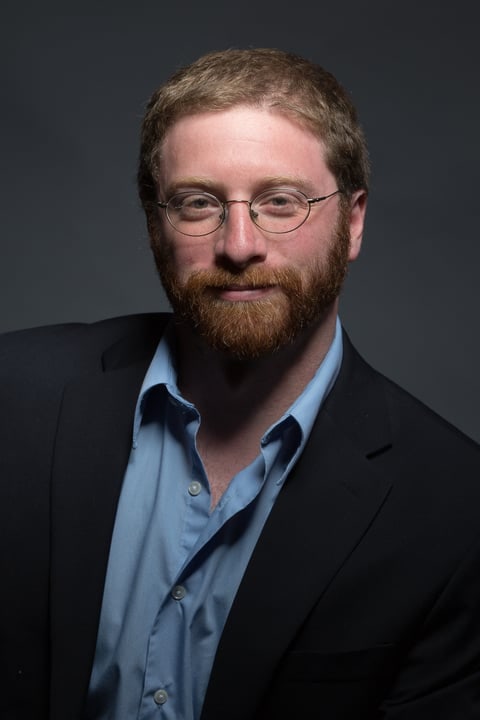
Joel Baden is Professor of Hebrew Bible at Yale University, and the Director of the Center for Continuing Education at the Yale Divinity School. He has spent his whole career on one question: who wrote the first five books of the Bible, and how can we tell? His book The Composition of the Pentateuch is one of the leading modern answers.

Professor of Hebrew Bible, YaleDirector, Center for Continuing EducationYale Divinity SchoolAuthor and Speaker

0

Lectures · 50 min each

5

Live Q&A sessions · 30 min

∞

Lifetime Access

What makes this course different.

What This Course Offers

A live investigation of the text itself, led by one of the scholars who knows it best.

Prepare to Rethink

Common assumptions
this course will challenge.

Common Assumption

Moses wrote the Pentateuch.

In fact

Not only was Moses not the author: no one person was. The Pentateuch is the work of multiple hands, a careful combination of originally independent texts.

Common Assumption

The Pentateuch tells one clear, consistent story.

In fact

Read closely, it does not present a consistent story at all. It preserves rival versions of the same events, side by side and interwoven, from the flood to the sea to Sinai.

Common Assumption

The Bible speaks with one voice.

In fact

It contains multiple texts with multiple viewpoints, and they do not always agree. Seeing that clearly reconfigures what the Bible is, and how the world that produced it worked.

Included with Enrollment

Included with
your course.

Bonus Live Discussion

Joel Baden and David M. Carr on how the Pentateuch came together

Monday, November 2 at 5:00 pm Eastern. Two of the leading scholars of the Pentateuch’s composition agree that many hands wrote it, and disagree, sharply, on how to tell those hands apart. Carr’s “fragmentary” and “supplementary” model meets Joel’s documentary one, and you decide which makes better sense of the contradictions in the first five books. Included with the course, live and as a recording.

Live Nov 2 · 5 pm ET

Bonus Discussion with David M. Carr

Monday, November 2 at 5:00 pm Eastern: David M. Carr of Union Theological Seminary joins Joel to debate how the Pentateuch was formed. Carr, author of Reading the Fractures of Genesis, argues for a “fragmentary” and “supplementary” model; Joel for the documentary one. Both agree many hands wrote it; they disagree on how to untangle them. Attend live, or watch the recording, which is included.

Bonus Conference Lecture

Joel’s 65-minute talk from the New Insights Into the Hebrew Bible conference, “When Abraham Negotiated Against God... Or Not”: what the Sodom story is really doing, why readers misunderstand it, and what it reveals about how Genesis is meant to be read.

Five Live Q&A Sessions

Thirty minutes of live Q&A five times across the weekend. Bring your questions, put them to Joel directly, and keep the full recordings afterward.

Full Recordings & Lifetime Access

Every lecture and every Q&A session is recorded and yours to keep. Watch live, catch up later, or return to them years from now.

Lecture Slides

Download Joel’s full slide decks for all ten lectures, ideal for review, note-taking, or following the passages verse by verse.

Full Transcripts

Searchable transcripts of every lecture, perfect for quoting, deeper study, or following along if English is not your first language.

Audio Downloads

MP3 downloads of every lecture. Listen on your commute, on a walk, or whenever you’re away from a screen.

$1 from every registration is donated to charity: water, bringing clean water to people in need.

2 ways to purchase this course

Stand-Alone Purchase

Enjoy the course at a fraction of the cost

Regular Price $119 Early-Bird $99 Ends October 10


Included in Your Purchase: Lifetime Access to This University-Level Course With:

  • Ten 50-minute live lectures by Joel Baden
  • Five 30-minute live Q&A sessions
  • Bonus lecture: Joel’s NIHB conference talk
  • Bonus discussion with David M. Carr (Nov 2)
  • Full recordings with lifetime access
  • Lecture slides, transcripts & audio downloads
  • Biblical Studies Academy members save 30%

Access this Course PLUS Every Course in Our Vault

(250+ Hours of Biblical Learning!)

  • 50+ existing courses plus all new releases (we're aiming for 20+ new courses in 2026)
  • All "Face to Face on the Bible" events and debates
  • Bart Ehrman's monthly "Spotlight" lectures
  • Join 1,700+ members for discussion, member mixers, trivia, book club, & more!
Start FREE Trial

then special rate $49.95/month

Frequently Asked

Everything you
need to know.

When is the course, and what are the times?

The course runs live over three days: Friday, October 30, from 5:00 to 7:20 pm Eastern, then Saturday, October 31, and Sunday, November 1, from 10:00 am to 2:55 pm Eastern each day. Lectures run about fifty minutes with short breaks between them, and five live Q&A sessions are spread across the weekend.

How many lectures are included?

Ten lectures of about 50 minutes each: two on Friday evening, four on Saturday, and four on Sunday, plus five 30-minute live Q&A sessions with Joel. You also receive a bonus recording of Joel’s 65-minute talk from the New Insights Into the Hebrew Bible conference, “When Abraham Negotiated Against God... Or Not,” and a bonus discussion between Joel and David M. Carr of Union Theological Seminary on Monday, November 2.

What is the bonus discussion with David M. Carr?

On Monday, November 2 at 5:00 pm Eastern, the day after the course ends, David M. Carr joins Joel for a live discussion about the formation of the Pentateuch. Dr. Carr is a professor at Union Theological Seminary and the author of several books, including Reading the Fractures of Genesis: Historical and Literary Approaches, which argues for a “fragmentary” and “supplementary” account of how the Pentateuch grew, in contrast to Joel’s documentary hypothesis. Both agree that the Pentateuch is the literary product of multiple authors and editors; they disagree on some of the specifics, particularly the underlying methodology. They will discuss the assumptions each brings to untangling the sources, and you can decide for yourself what makes the most sense of the contradictions in the first five books, and of how they came together as one text. The session is included with the course, live and as a recording.

What if I can’t attend live?

You will not miss anything. Every lecture and every Q&A session is recorded, and the recordings are yours with lifetime access. Many students enroll knowing in advance that they will watch entirely on their own schedule.

How will I access the course?

After you enroll, you will receive the Zoom links for the live sessions by email, along with login instructions for our online course platform, ThriveCart Learn, where the recordings, slides, transcripts, and audio downloads are all posted. If you are a member of Biblical Studies Academy (BSA), your access will also be available inside the community.

Do I have lifetime access?

Yes. The lectures, the Q&A recordings, and every bonus are yours with lifetime access. Watch them on any device, on your own schedule, as often as you like.

Do I need any prior knowledge of the Bible, or any Hebrew?

No prior knowledge is required, and no Hebrew. Every passage is read in translation, and Joel introduces the texts, the history, and the scholarly debates from the ground up. Whether you are coming in fresh or already well-read, you will find it genuinely rewarding.

Will subtitles or captions be available?

Yes. All recordings include closed captioning, and full transcripts are included with the course, so you can follow along in text or search for a specific passage.

Can I ask Joel a question?

Yes. Five live Q&A sessions are built into the weekend, and questions from attendees are what fill them. If you cannot make it live, the full Q&A recordings are included.

Is there a discount for BSA members?

Yes. Members of Biblical Studies Academy (BSA) receive 30% off the course price.

What payment types are accepted?

We accept PayPal and all major credit cards.

Do you offer a money-back guarantee?

Absolutely. If you don’t love the course, send us an email at support@bartehrman.com within 30 days of purchase and we will refund every penny.

Is this budget-friendly?

Comparable weekend intensives and academic workshops with scholars of this caliber routinely run hundreds of dollars per attendee. This course delivers ten full lectures, five live Q&A sessions, and a complete set of study materials online, at a price meant to keep serious biblical scholarship genuinely accessible.