
Image Credits
What Is Biblical Marriage?
Every image on the class page, with its source, license, and the reason it was chosen. The set deliberately sets the actual ancient evidence for marriage (a Roman wedding fresco, two marriage sarcophagi, a Jewish marriage contract) beside the later paintings that built the idealized model this class takes apart.
| Image | Work & Attribution | License | Where it appears | Why it’s included |
|---|---|---|---|---|
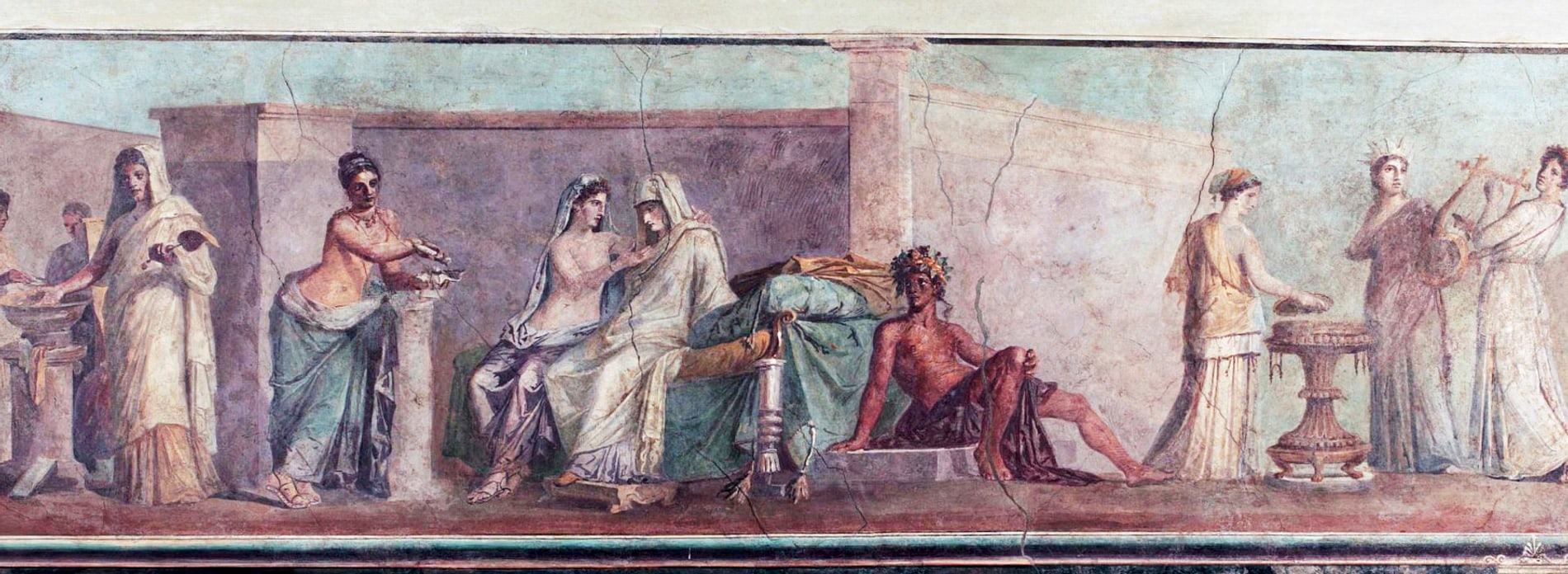 aldobrandini.jpg | The Aldobrandini Wedding (Roman fresco) Unknown 1st century BC Source ↗ | Public domain | Hero background · Stats backdrop · Schedule backdrop | The most famous surviving picture of a Roman wedding: the bride seated and veiled, attendants at work around her. This is what a wedding looked like in the world the New Testament was written in. |
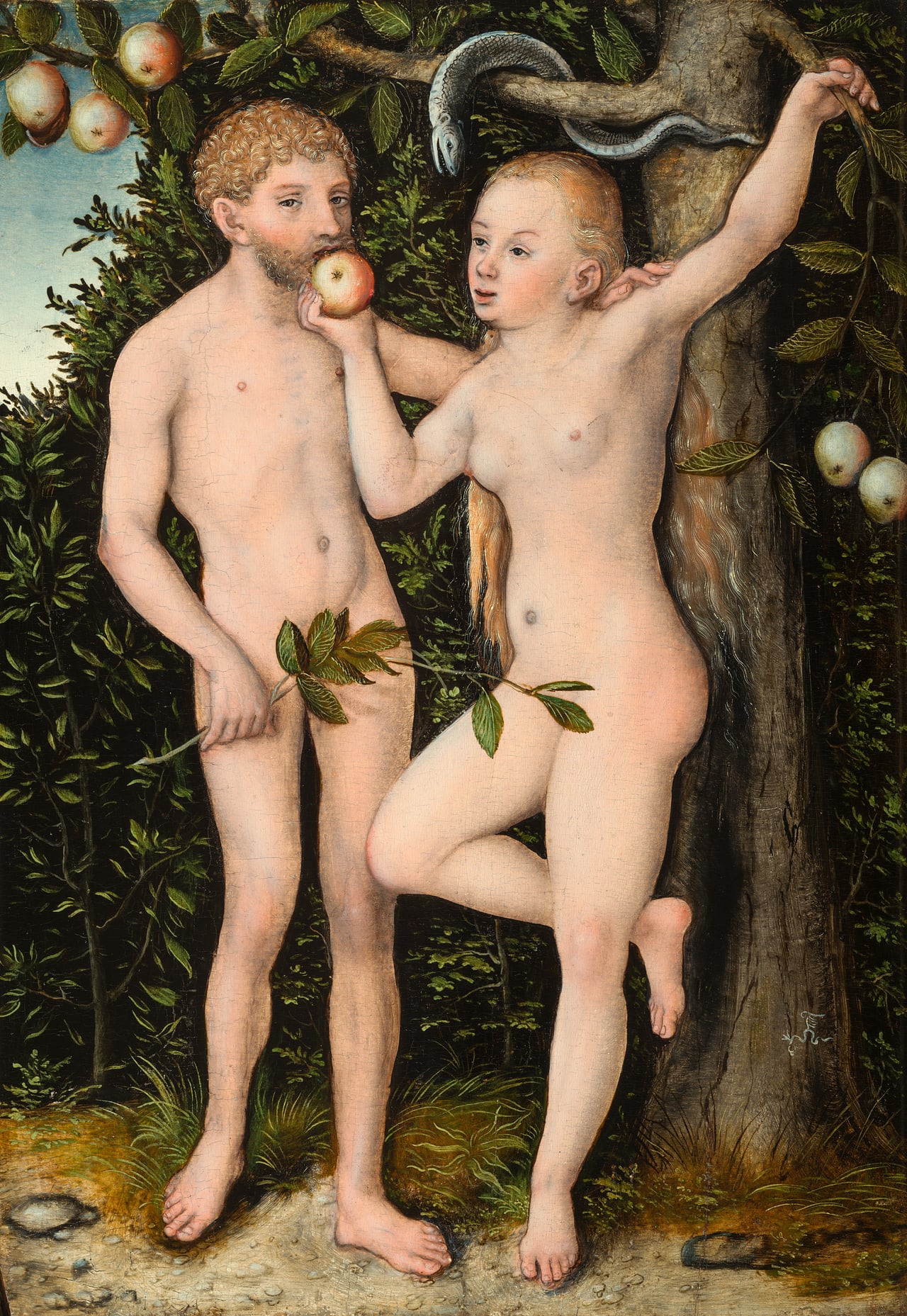 cranach-adam-eve.jpg | Adam and Eve Lucas Cranach the Elder c. 1538 Source ↗ | Public domain | Origin section figure | Genesis 2:24, the “one flesh” verse, painted as the first couple. Cranach’s pair is the image most people are actually picturing when they say “biblical marriage.” |
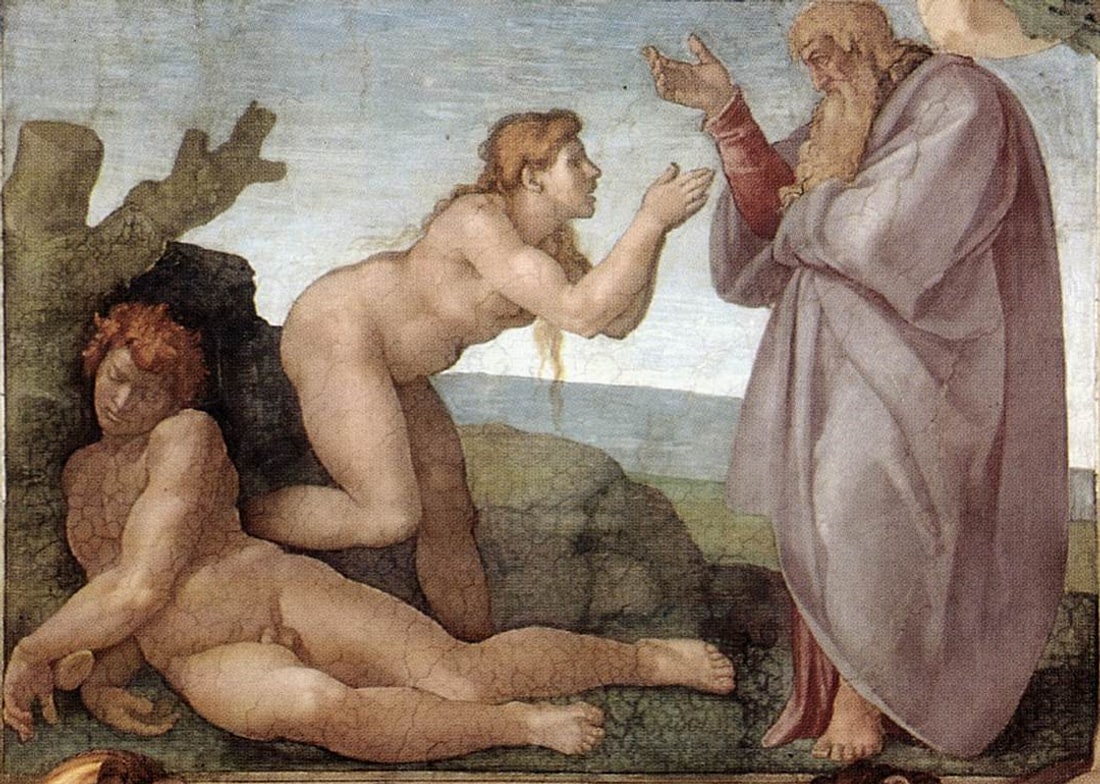 creation-of-eve.jpg | The Creation of Eve (Sistine Chapel ceiling) Michelangelo 1509-1510 Source ↗ | Public domain | Hero ornament · Question I medallion (“The Four Passages”) | The Genesis creation account at its most monumental, and the reading of it that gets quoted as a blueprint. The face of the section on the four passages. |
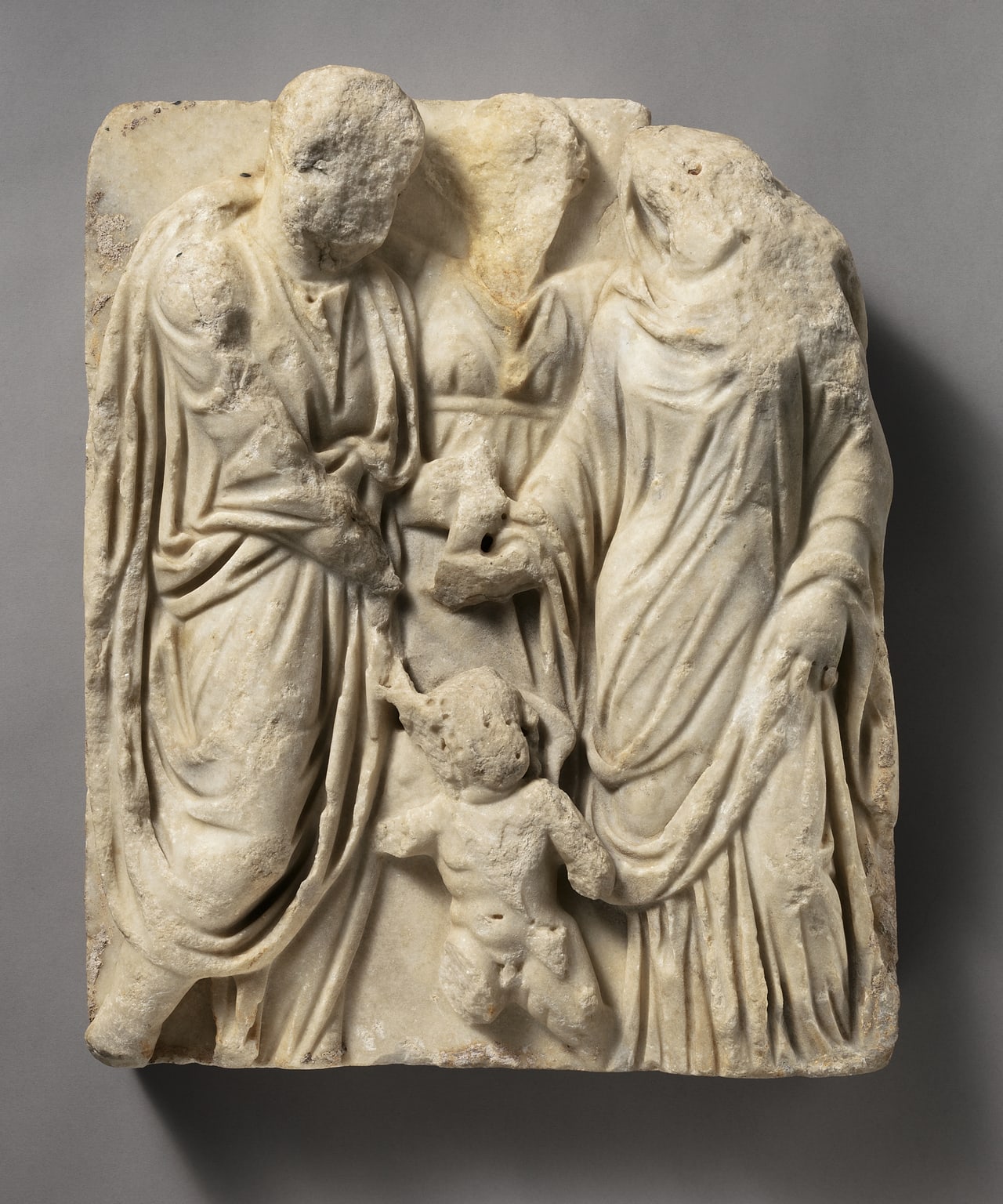 roman-marriage.jpg | Marble sarcophagus fragment with a marriage scene Unknown (Roman) Early 3rd century AD Source ↗ | CC0 | Hero ornament · Question II medallion (“What Marriage Actually Was”) · Bonuses backdrop | A Roman couple joining right hands, the gesture that made a marriage. Carved in the century when the New Testament was being copied and read. |
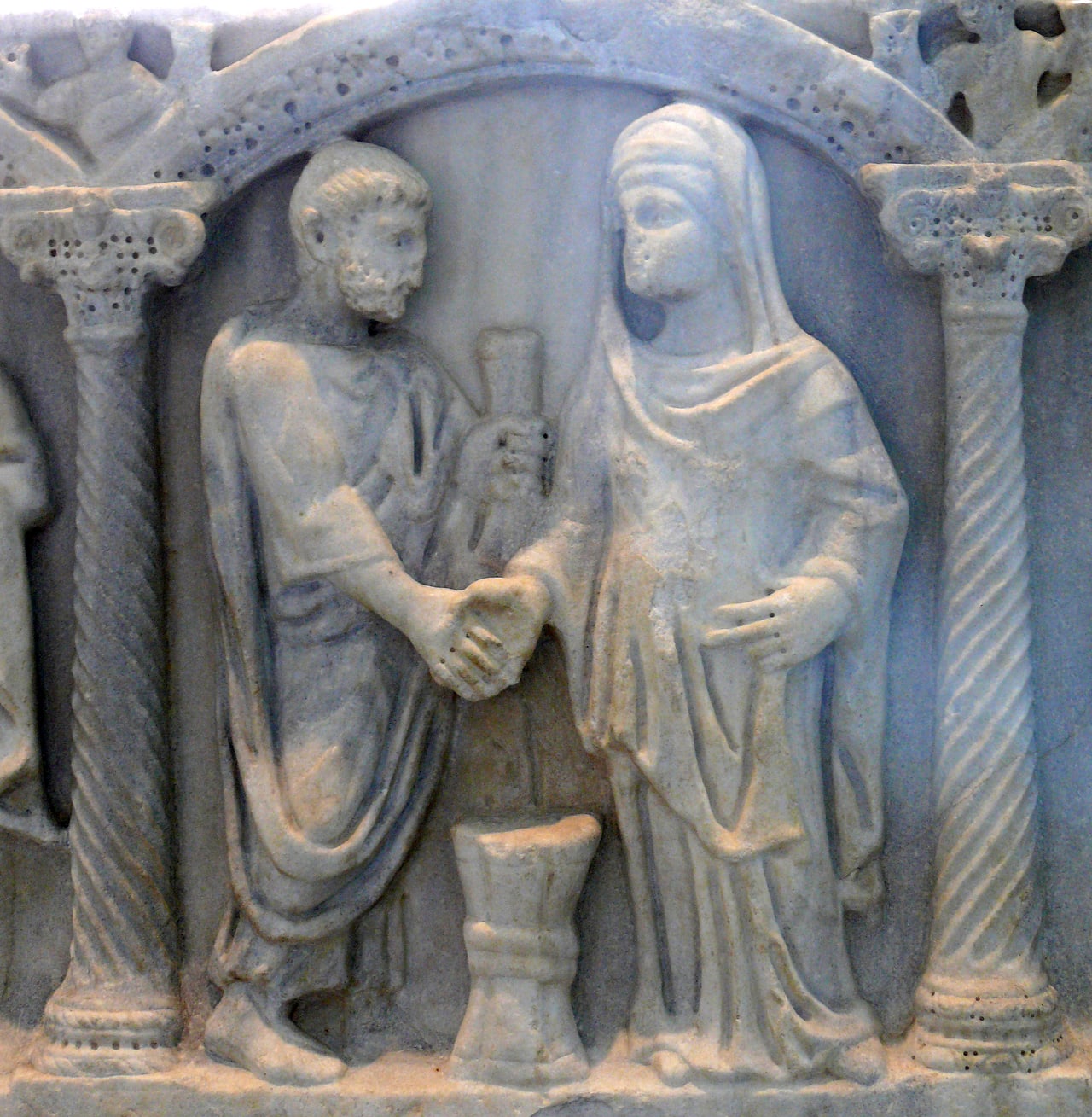 marriage-vows.jpg | Roman marriage vows (sarcophagus relief, dextrarum iunctio) Photo: Ad Meskens Photographed 2010 Source ↗ | CC BY-SA 3.0 | Scroll variation, full-bleed panel | The clearest surviving image of the joining of right hands under an arch: the ancient marriage rite as an act between households, which is where this class starts. |
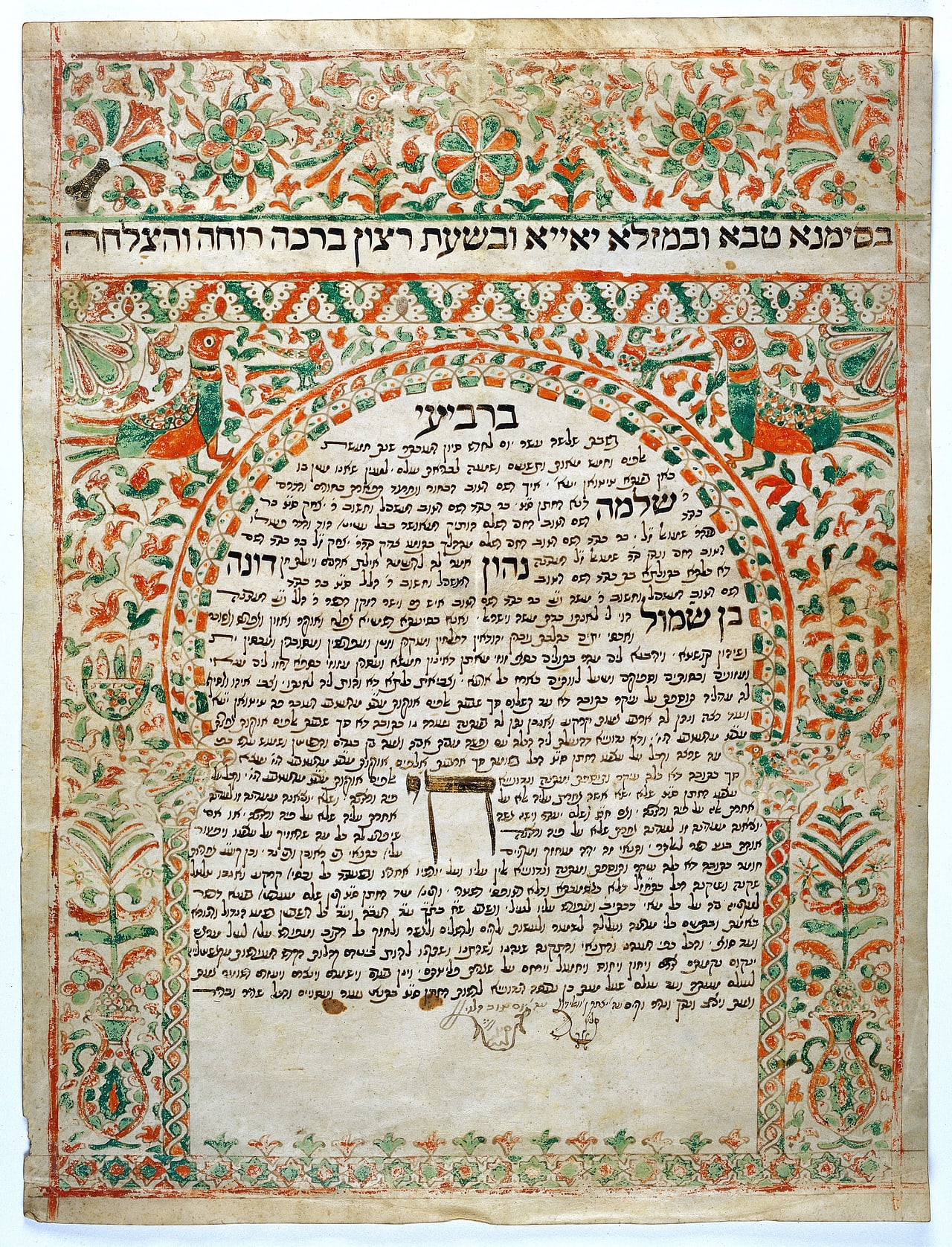 ketubah.jpg | Ketubbah (Jewish marriage contract), Hebrew MS A2 Wellcome Collection Manuscript, undated Source ↗ | CC BY 4.0 | Hero ornament · At-a-Glance backdrop · Question III medallion (“The Parts Nobody Quotes”) | A marriage as the ancient world mostly recorded it: a written contract, with terms. The document behind the romance. |
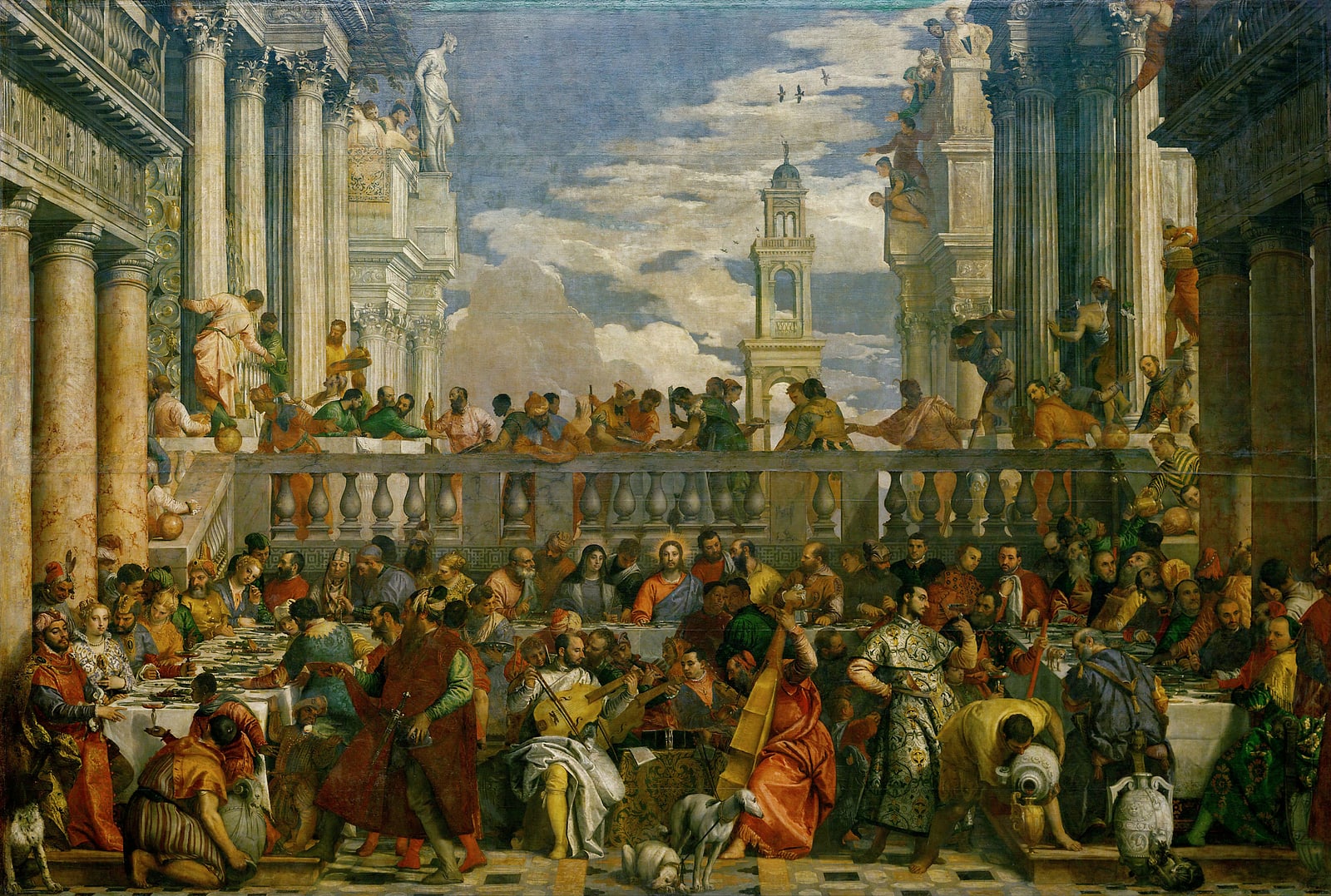 cana.jpg | The Wedding at Cana Paolo Veronese 1563 Source ↗ | Public domain | Question IV medallion (“The Prophets, and Jesus Himself”) · “Prepare to Rethink” backdrop | Jesus at a wedding, staged by Veronese as a sixteenth-century banquet. A precise illustration of the habit this class is about: reading our own marriages back into the text. |
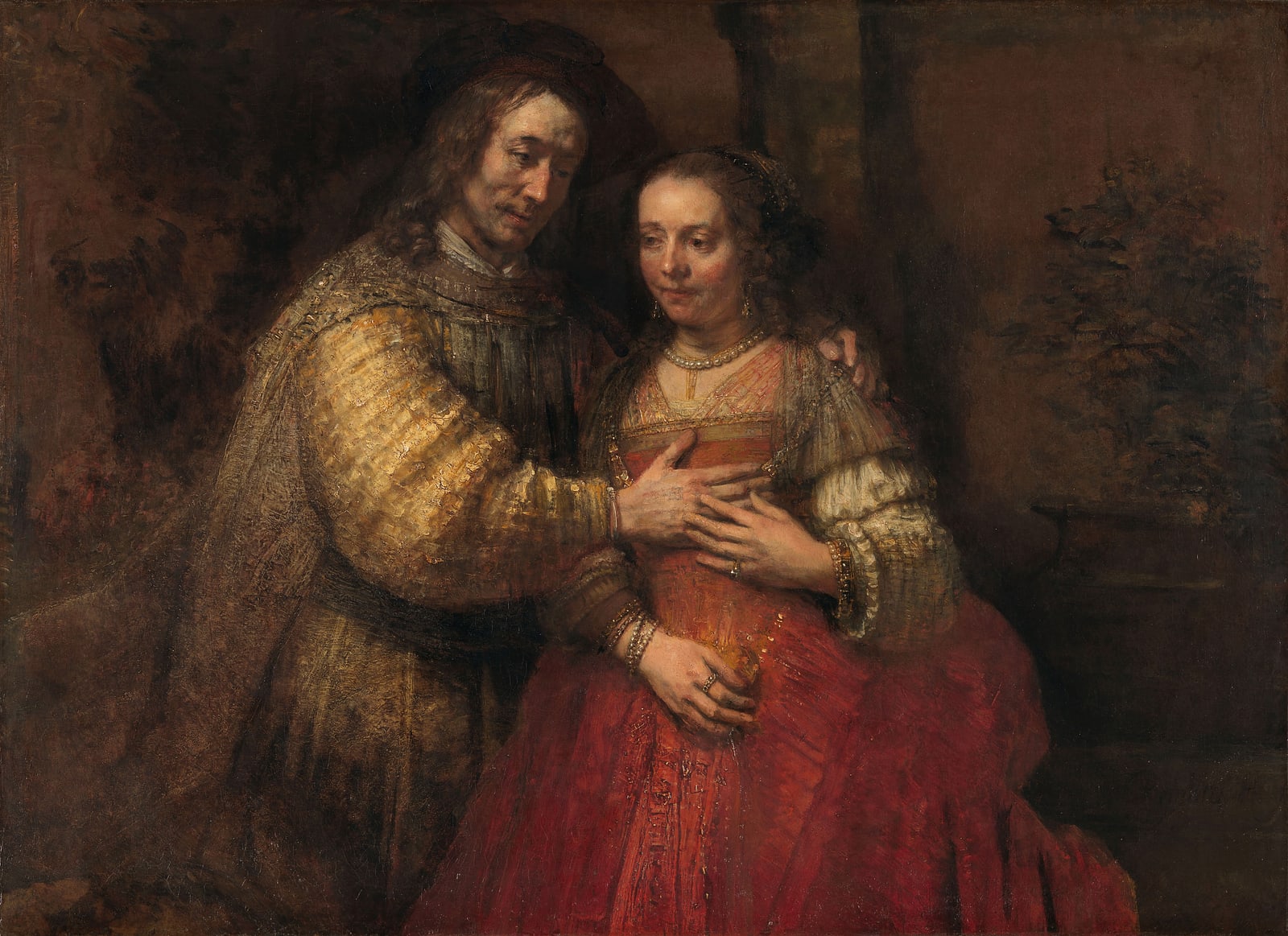 jewish-bride.jpg | The Jewish Bride Rembrandt van Rijn c. 1662-1666 Source ↗ | Public domain | Instructor backdrop · FAQ backdrop | Rembrandt’s couple, usually identified as a biblical pair, is the tender modern ideal of marriage projected onto scripture. The exact image the class asks us to examine. |
Public-domain works are reproduced freely. CC BY / CC BY-SA images are credited to their photographers as required; follow each Source link for the full license text.