
Image Credits
Demons & Ghosts
Every image on the course page, with its source, license, and the reason it was chosen. The artwork is public-domain and freely-licensed material from Wikimedia Commons: the fallen angels, the devil, the tormenting demons, and the raised dead that ancient writers imagined, alongside the manuscripts and scrolls that preserve their stories. Creative Commons works are noted below.
| Image | Work & Attribution | License | Where it appears | Why it’s included |
|---|---|---|---|---|
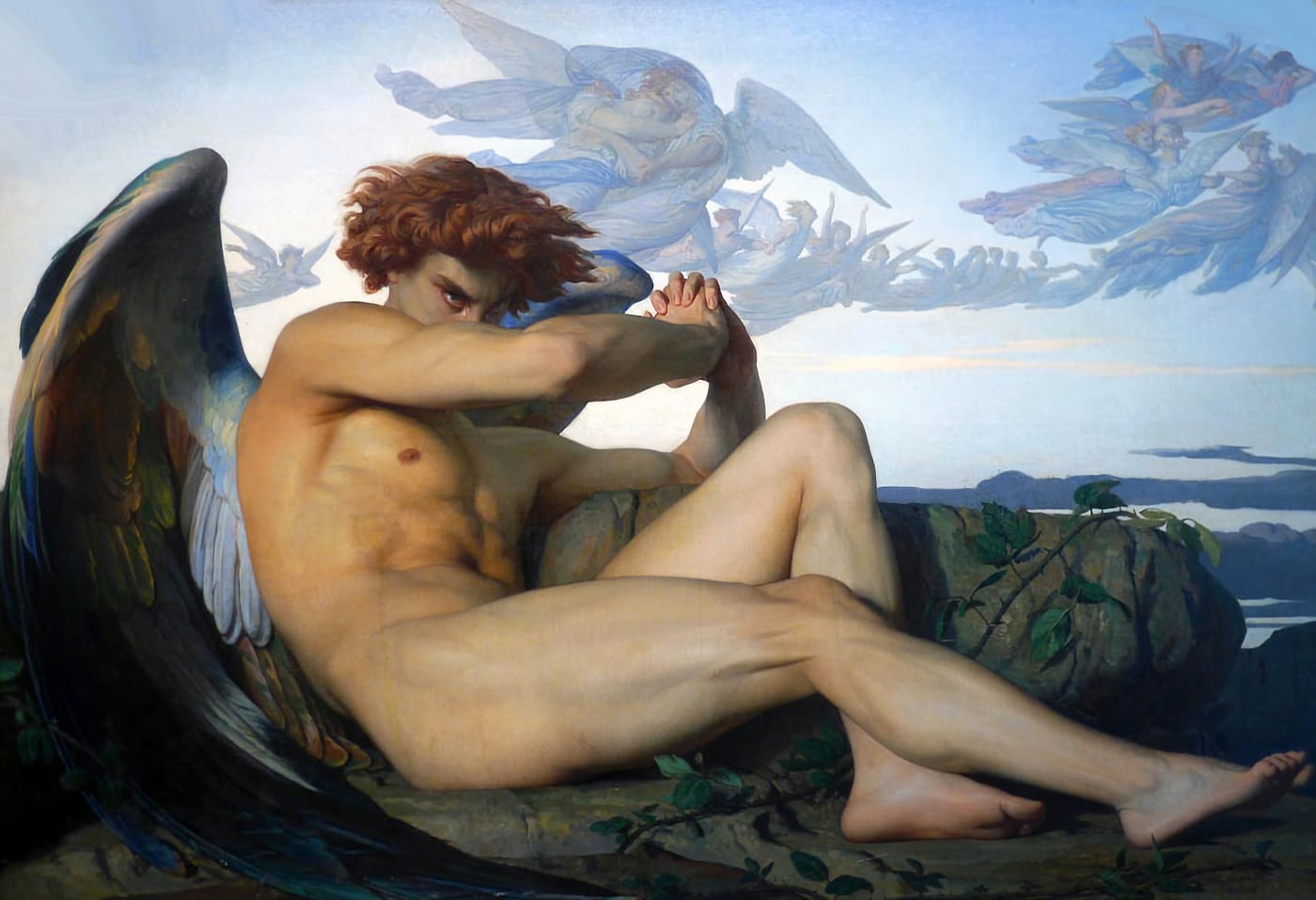 satan.jpg | Fallen Angel Alexandre Cabanel 1847 Source ↗ | Public domain | Hero background | Cabanel’s brooding fallen angel: the rebel who, in later tradition, becomes the devil. |
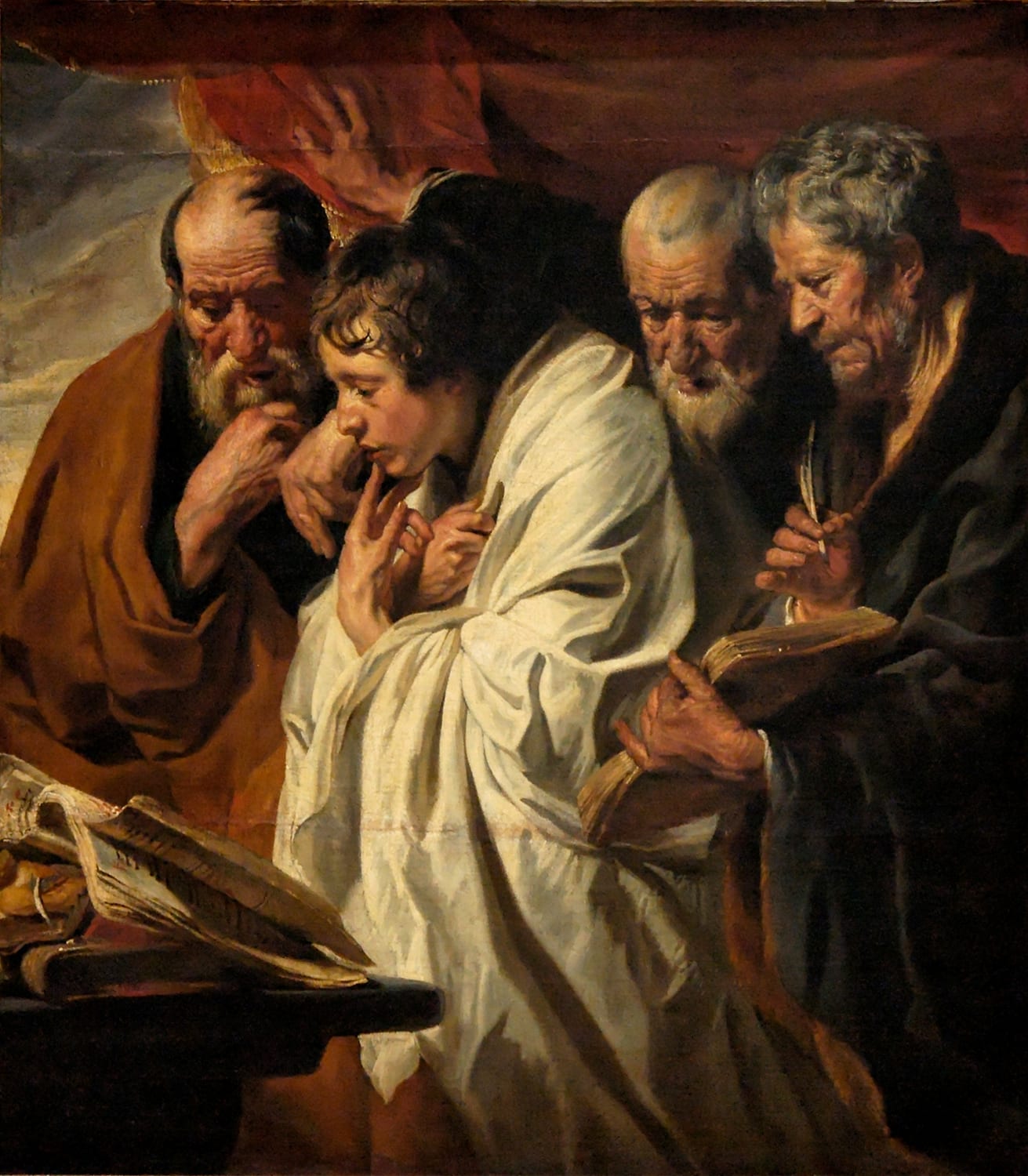 four-evangelists.jpg | The Four Evangelists Jacob Jordaens c. 1625 Source ↗ | Public domain | Hero ornament · FAQ backdrop | The gospel-writers whose demon and exorcism stories the course works through. |
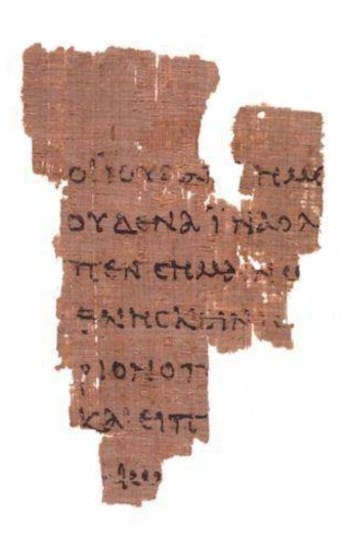 gospel-papyrus.jpg | Papyrus 52, Gospel of John 18:31-33 Unknown (2nd-century scribe) Papyrus 2nd century CE Source ↗ | Public domain | Hero ornament · At-a-Glance backdrop | An early gospel fragment: the fragile manuscript basis of the New Testament’s spirit world. |
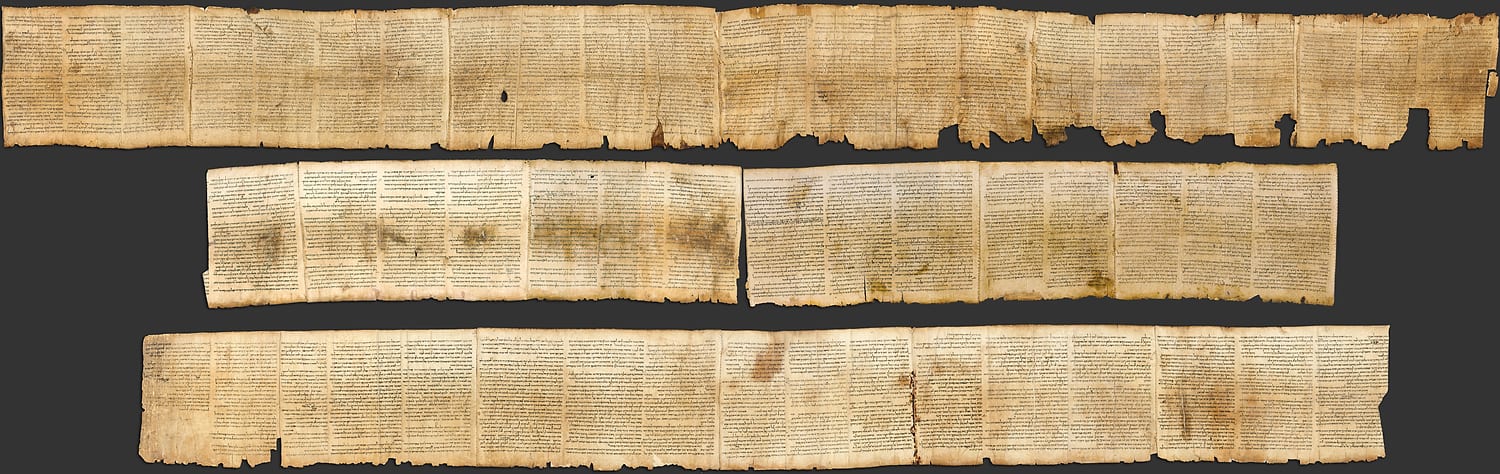 dead-sea-scroll.jpg | The Great Isaiah Scroll (1QIsaa) Photo: Ardon Bar-Hama Scroll 2nd century BCE Source ↗ | Public domain | Hero ornament · Stats backdrop | A Dead Sea Scroll: the trove whose demonology and exorcism the course examines. |
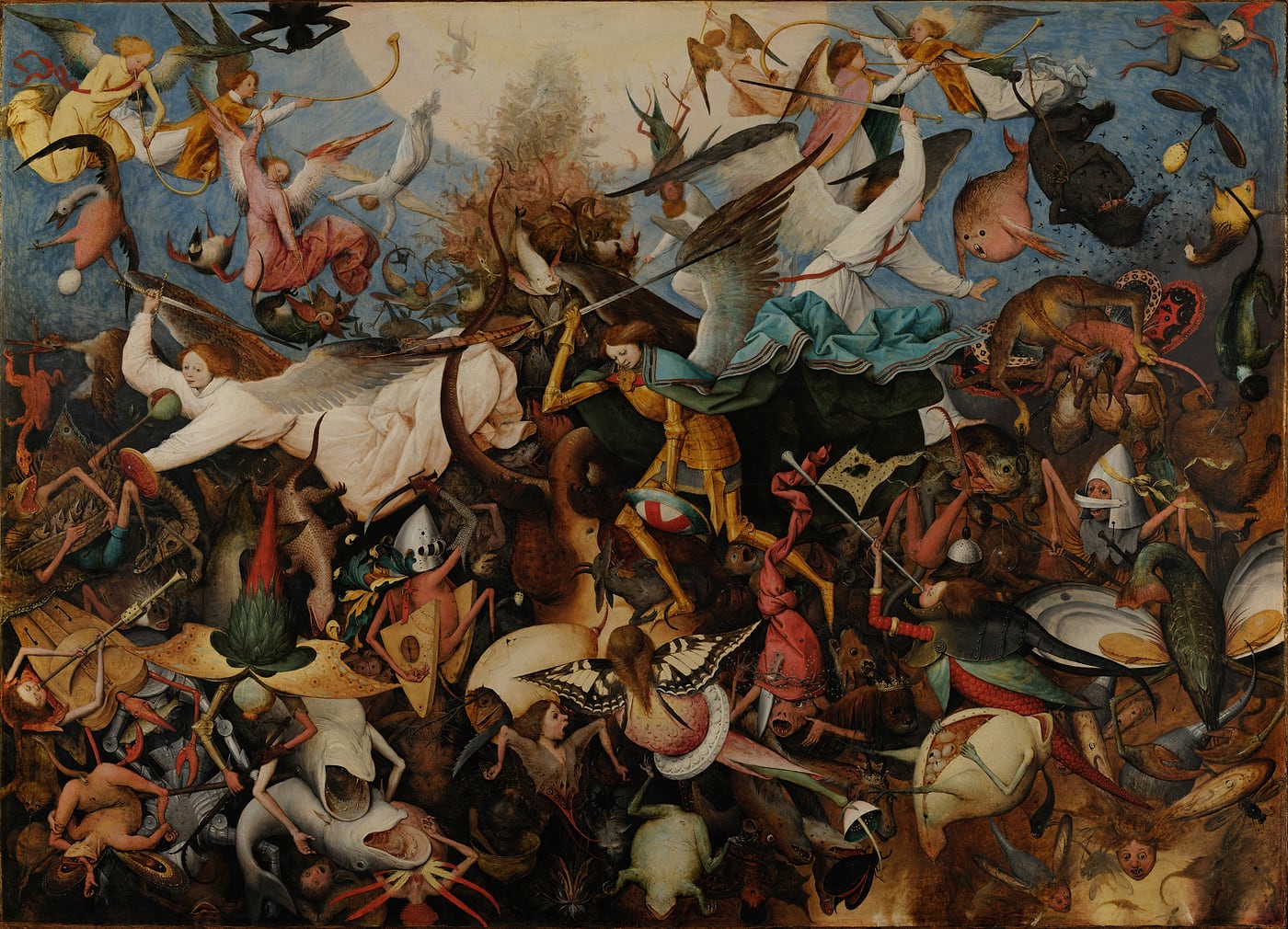 fall-rebel-angels.jpg | The Fall of the Rebel Angels Pieter Bruegel the Elder 1562 Source ↗ | Public domain | Origin figure · Theme II medallion | Bruegel’s teeming fall: the angels whose descent, for ancient writers, explained the origin of demons. |
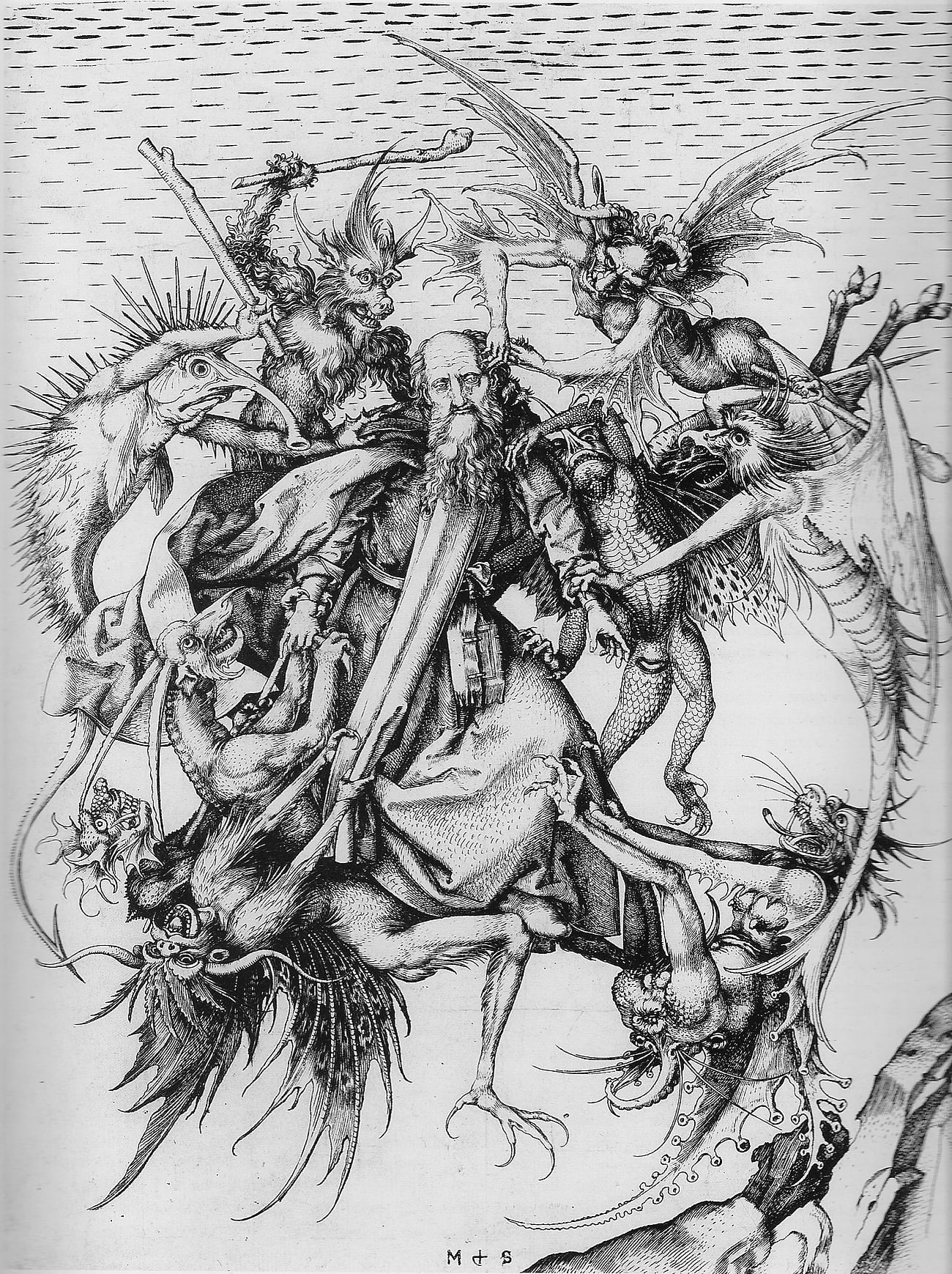 st-anthony.jpg | The Temptation of Saint Anthony Martin Schongauer c. 1470-1475 Source ↗ | Public domain | Theme I medallion (The Spirits of the Bible) | Schongauer’s swarming demons: the most famous image of a human beset by spirits. |
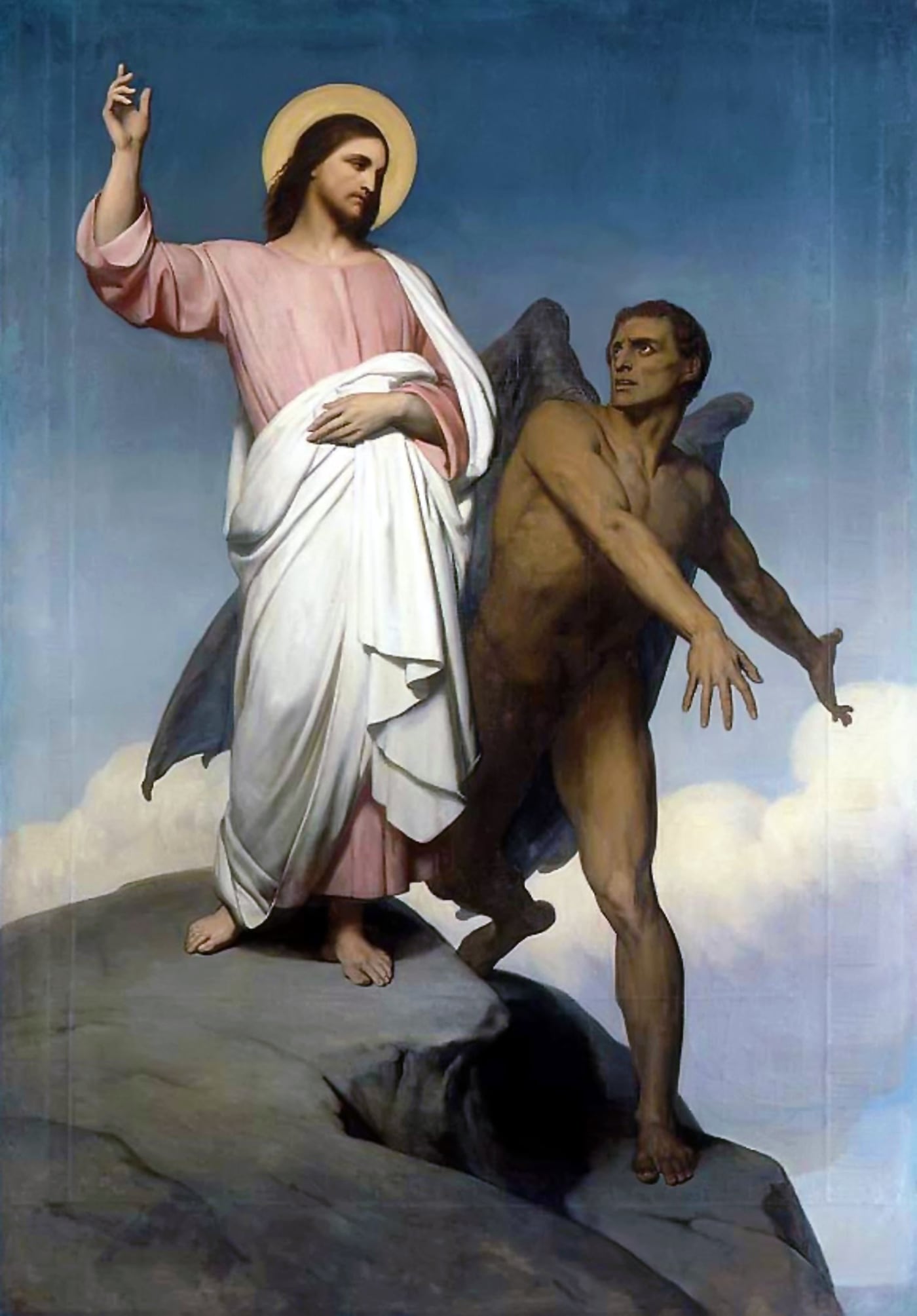 temptation-christ.jpg | The Temptation of Christ Ary Scheffer 1854 Source ↗ | Public domain | Theme III medallion (The Rise of Satan) | Satan tempting Jesus in the wilderness: the devil at work in the earliest gospel narratives. |
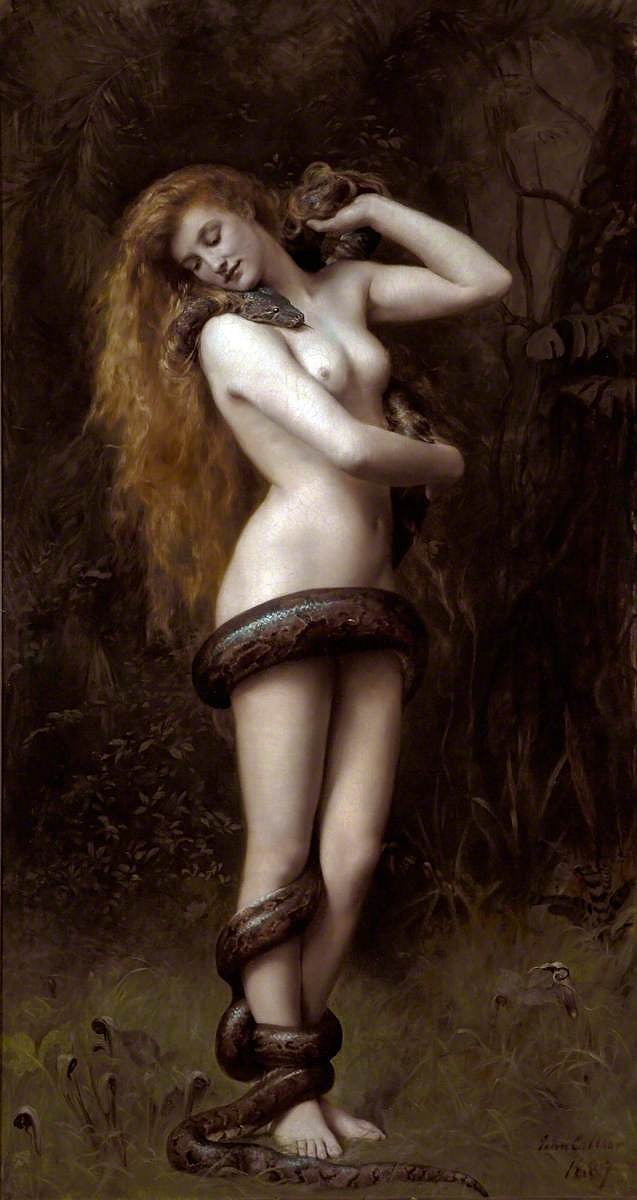 lilith.jpg | Lilith John Collier 1887 Source ↗ | Public domain | Theme IV medallion (Demons of Ancient Judaism) | Collier’s Lilith: the night-demon of ancient Jewish lore the course traces to its Near Eastern roots. |
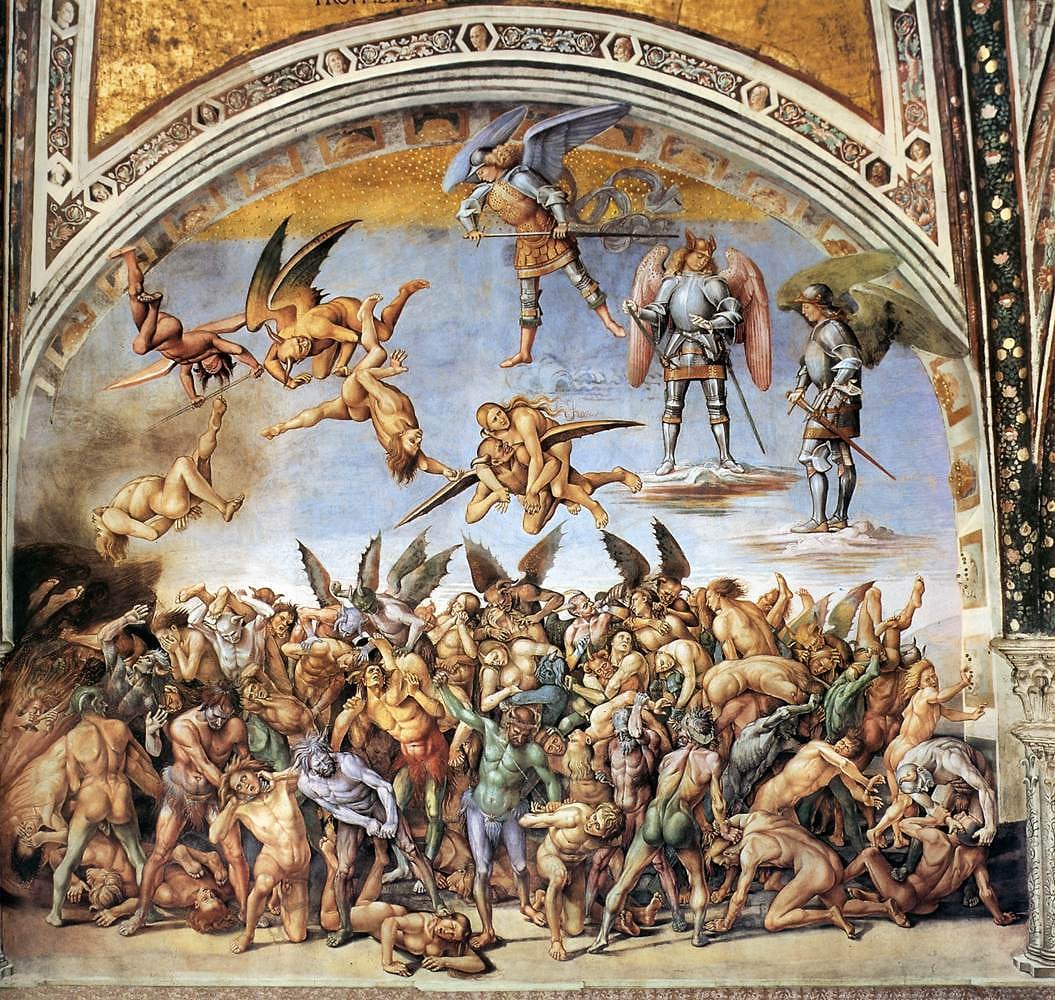 damned.jpg | The Damned (Orvieto Cathedral) Luca Signorelli c. 1499-1502 Source ↗ | Public domain | Theme V medallion · Highlights image card | Signorelli’s demons seizing the damned: the demonic violence the New Testament world took for real. |
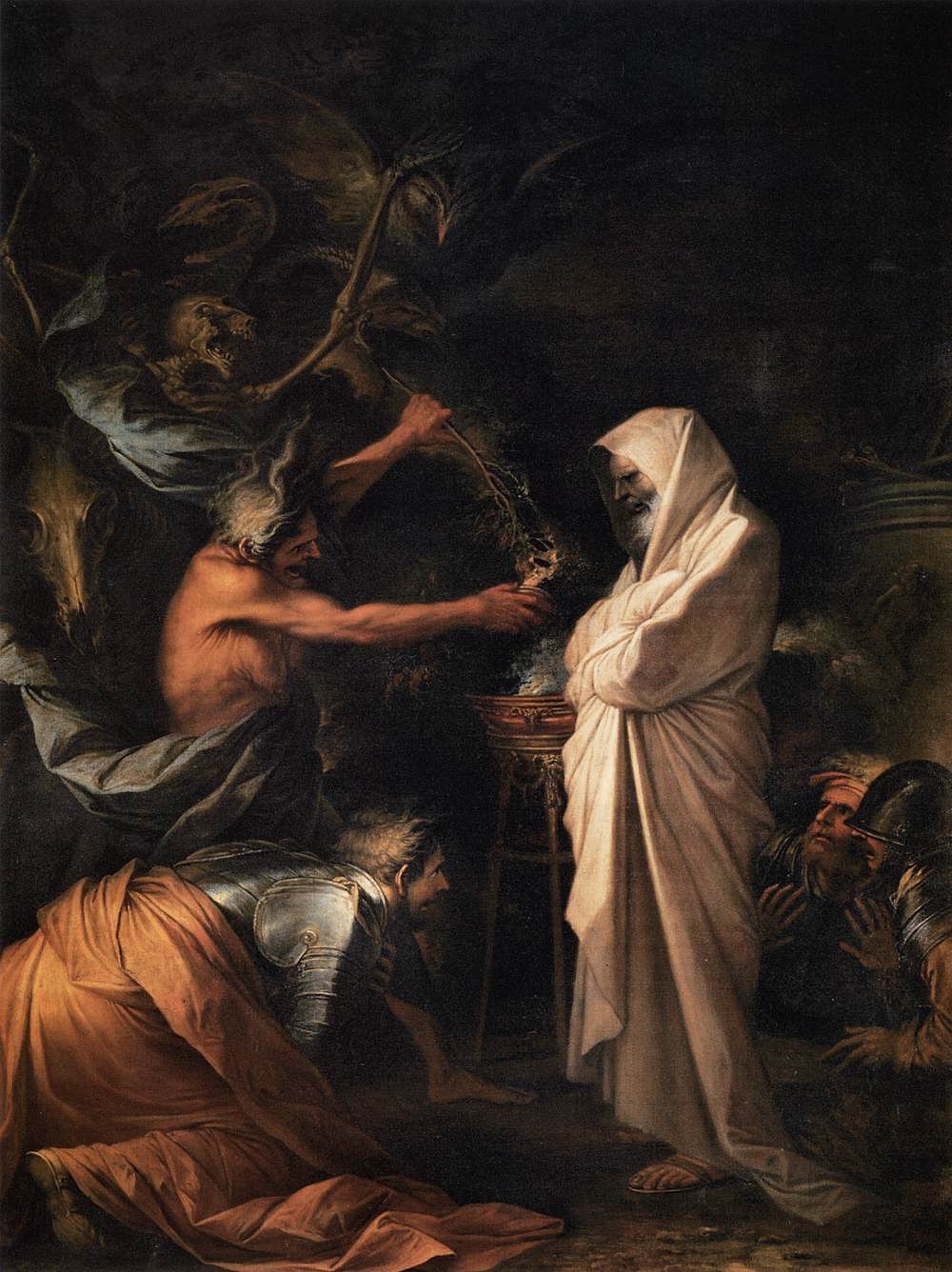 witch-endor.jpg | The Shade of Samuel Appears to Saul Salvator Rosa 1668 Source ↗ | Public domain | Theme VI medallion · Highlights image card | Rosa’s ghost of Samuel rising at Endor: the Hebrew Bible’s great ghost story. |
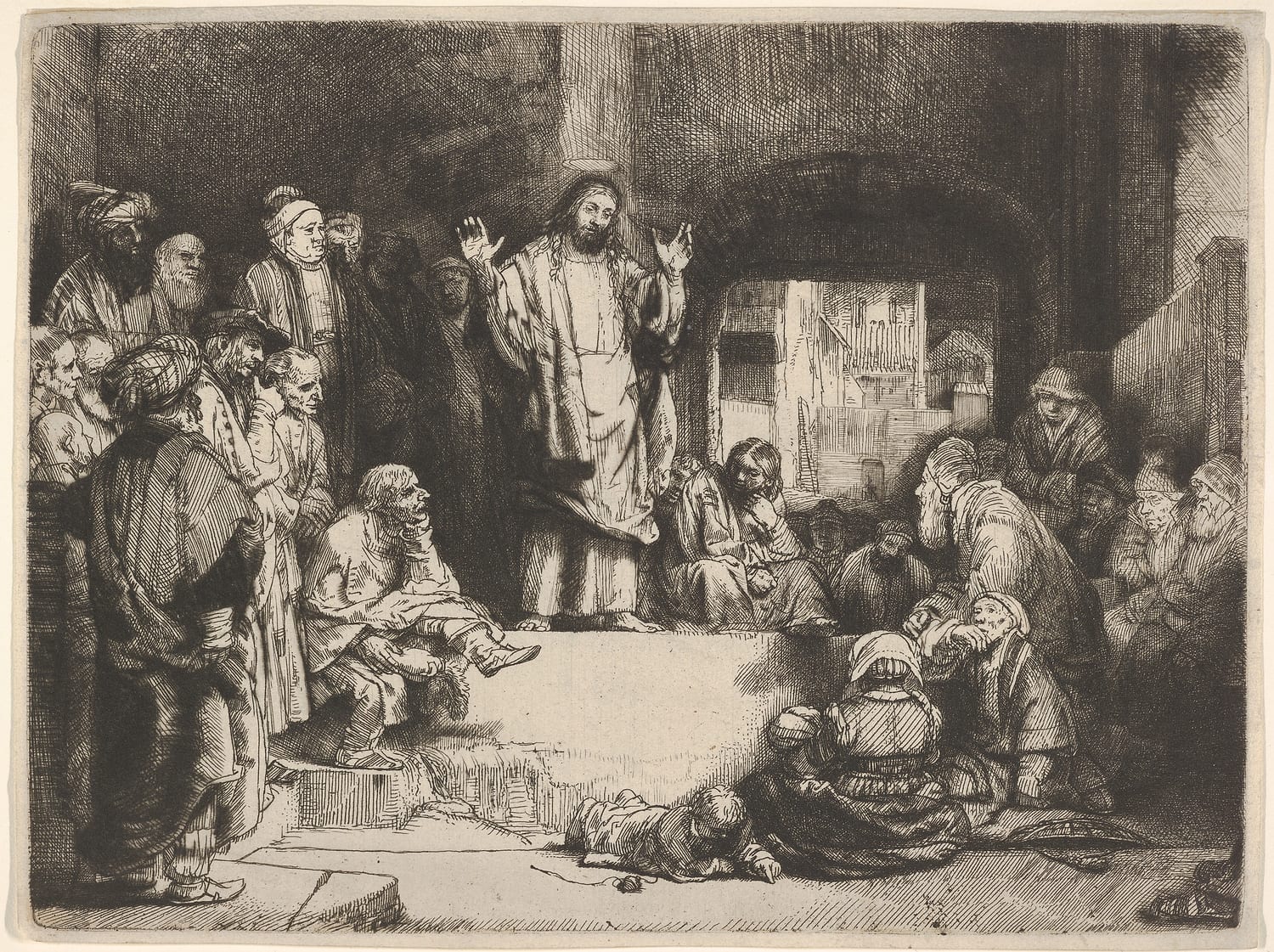 christ-preaching.jpg | Christ Preaching (La Petite Tombe) Rembrandt van Rijn c. 1652 Source ↗ | CC0 | “Prepare to Rethink” backdrop | Rembrandt’s teaching Jesus: the exorcist of the gospels, around whom the demonic stories gather. |
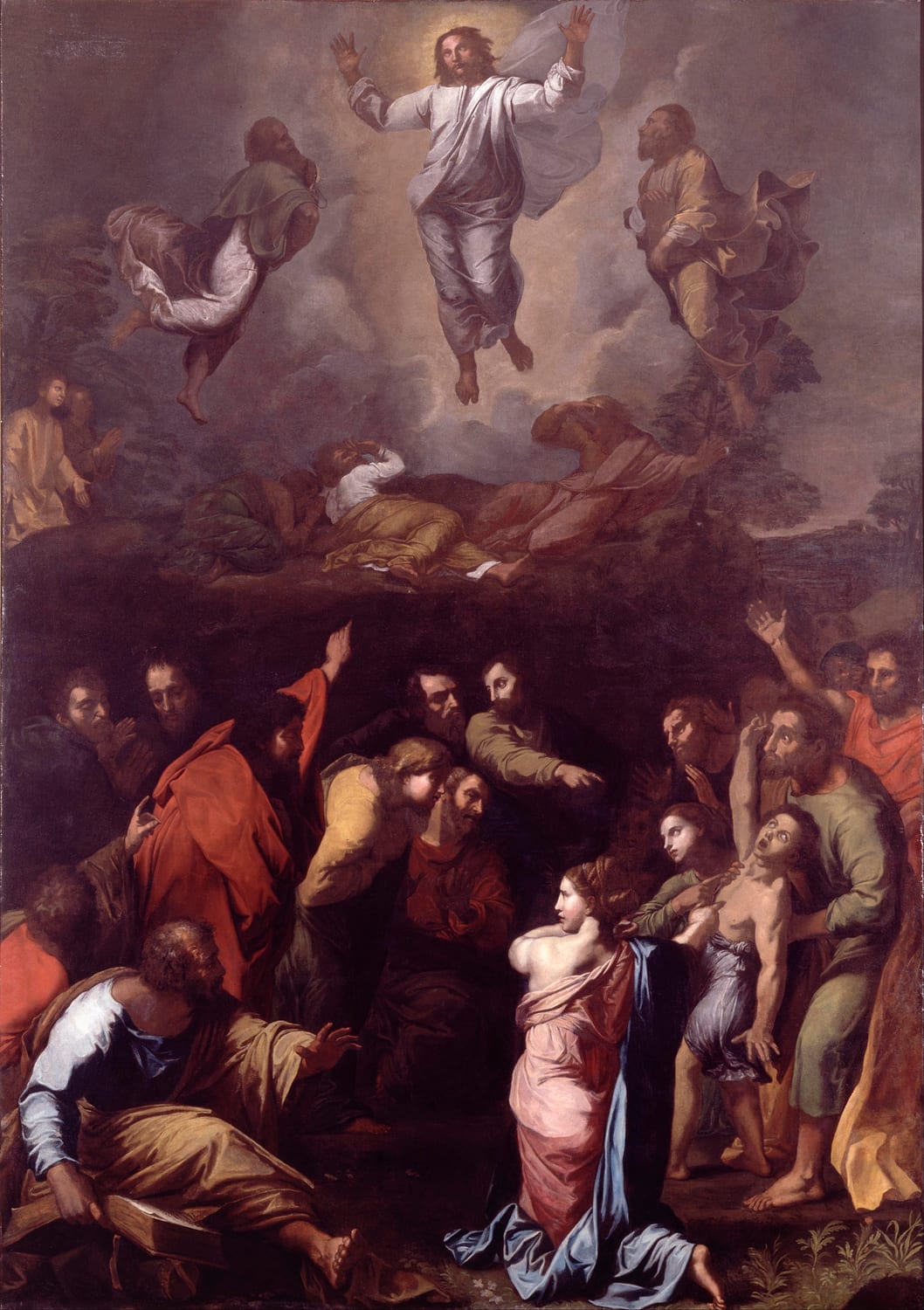 transfiguration.jpg | The Transfiguration Raphael 1516-1520 Source ↗ | Public domain | Highlights backdrop | Raphael’s Transfiguration, which pairs the glory above with a demon-possessed boy below. |
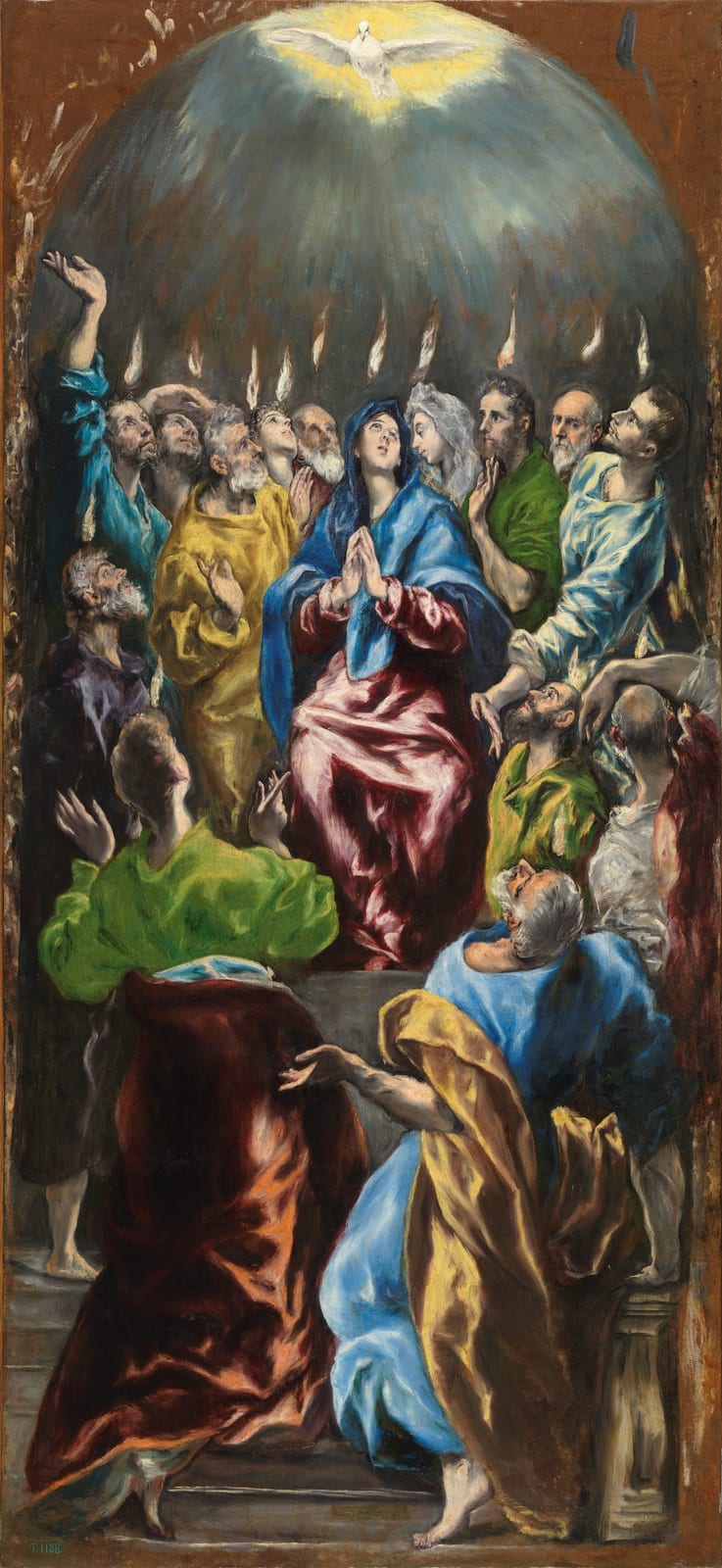 pentecost.jpg | Pentecost El Greco c. 1600 Source ↗ | Public domain | Bonuses backdrop | El Greco’s Pentecost: the descent of the holy spirit, the “good” spirit the course sets beside the demonic. |
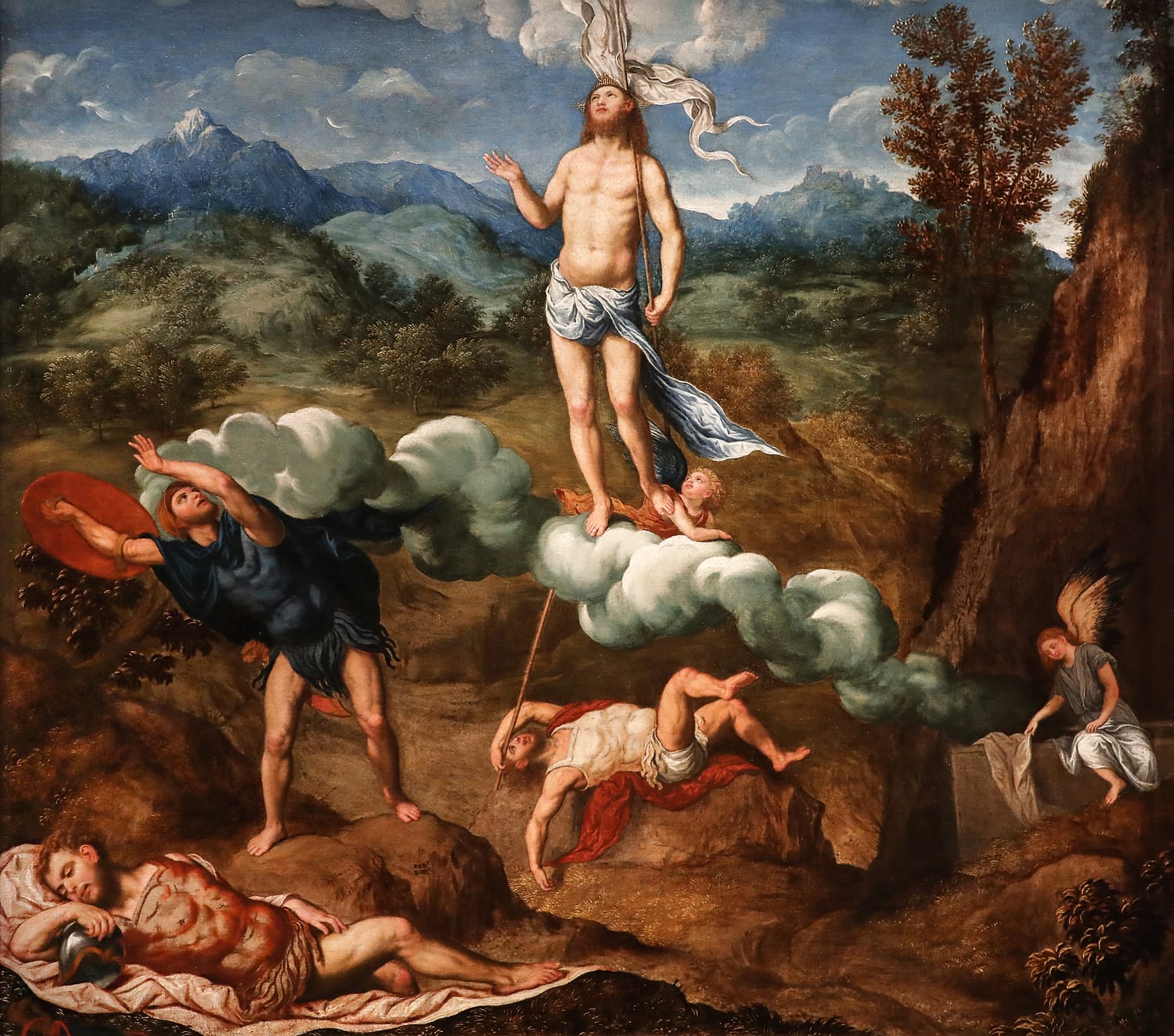 empty-tomb.jpg | The Resurrection Paris Bordone mid 16th century Source ↗ | CC BY-SA 4.0 | Schedule backdrop | The risen Christ: the figure his own followers, in the gospels, mistake for a ghost. |
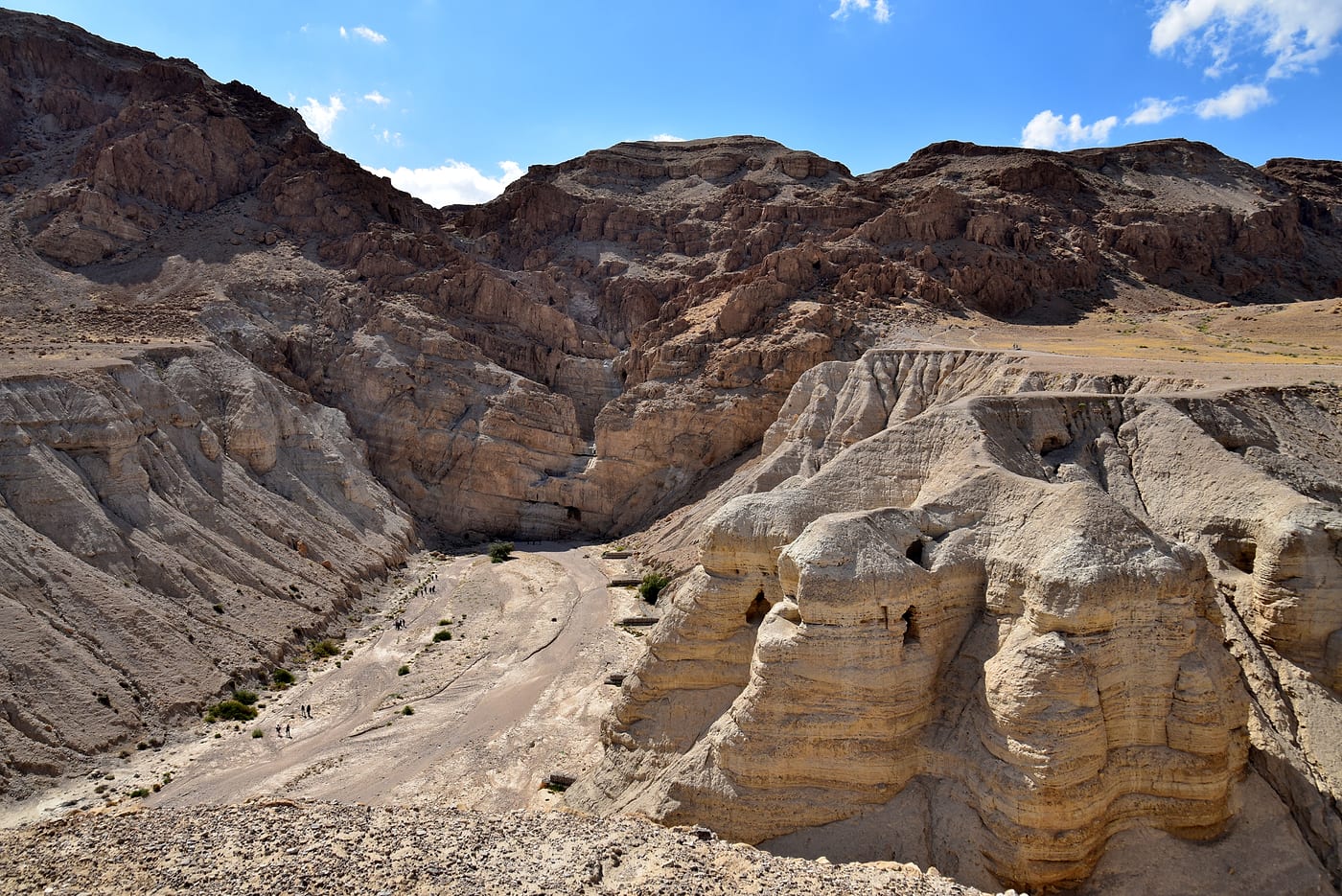 qumran.jpg | The caves of Qumran Photo: Bahnfrend Photographed 2019 Source ↗ | CC BY-SA 4.0 | Instructor backdrop | The caves of the Dead Sea Scrolls, whose demonology is one of the course’s richest sources. |
Public-domain works are reproduced freely. CC BY / CC BY-SA images are credited to their photographers as required; follow each Source link for the full license text.