Modern Christianity is astonishingly various. Appalachian snake handlers and Russian Orthodox, Mormons and Methodists and Southern Baptists, all convinced they are the true article. That variety is nothing next to what was going on in the second century.
There were Christians who worshipped one God. There were Christians who insisted the God of the Old Testament was a different being entirely from the Father of Jesus: two Gods, not one. There were Christians who counted twelve. Others thirty-six. One group counted three hundred and sixty-five.
They disagreed about Jesus just as sharply. Was he God and not human? Human and not God? Both at once? Two separate beings, a man named Jesus and a divine Christ who moved into him for a while and left before the end? Did his death save anyone? Did he die at all?
Every one of these groups had sacred books, and every one of those books carried an apostle’s name. Every one of them said the others were heretics. In the end one group won, and it was that group that decided which books would be Scripture, which beliefs would be Christian, and how the story of the first two centuries would be told.
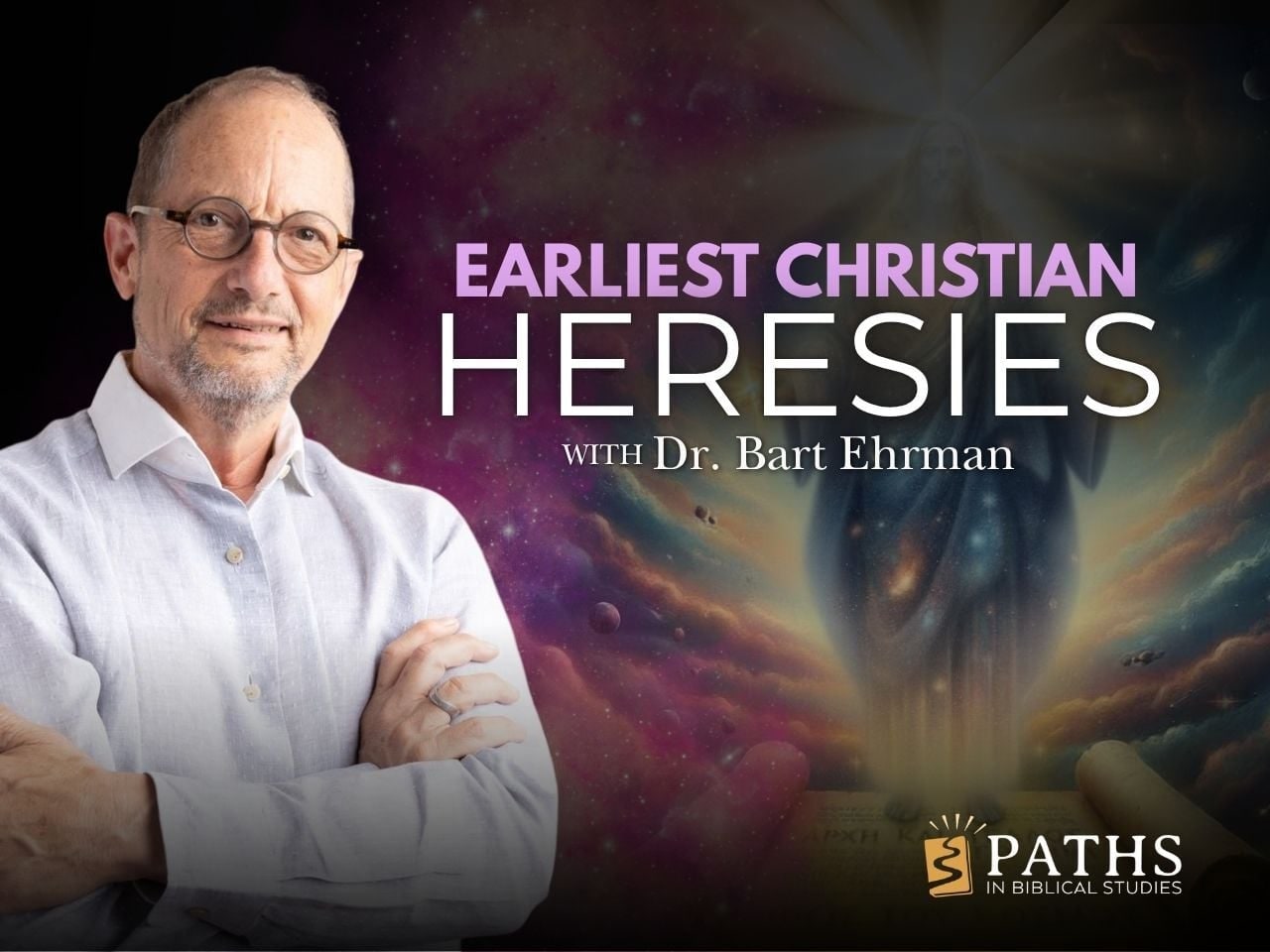
Bart Ehrman takes you back before the verdict, to when the outcome was genuinely open. Who were the losers, what did they actually believe, and how sure are we that they lost on the merits?