
Image Credits
Through the Eye of a Needle
Every image on the course page, with its source, license, and the reason it was chosen. The artwork is public-domain and freely-licensed material from Wikimedia Commons: paintings of Jesus’ parables and the works of mercy, photographs of Roman coins and the Galilean landscape, and pages from the manuscripts that carried his teaching. Creative Commons photographs are noted below.
| Image | Work & Attribution | License | Where it appears | Why it’s included |
|---|---|---|---|---|
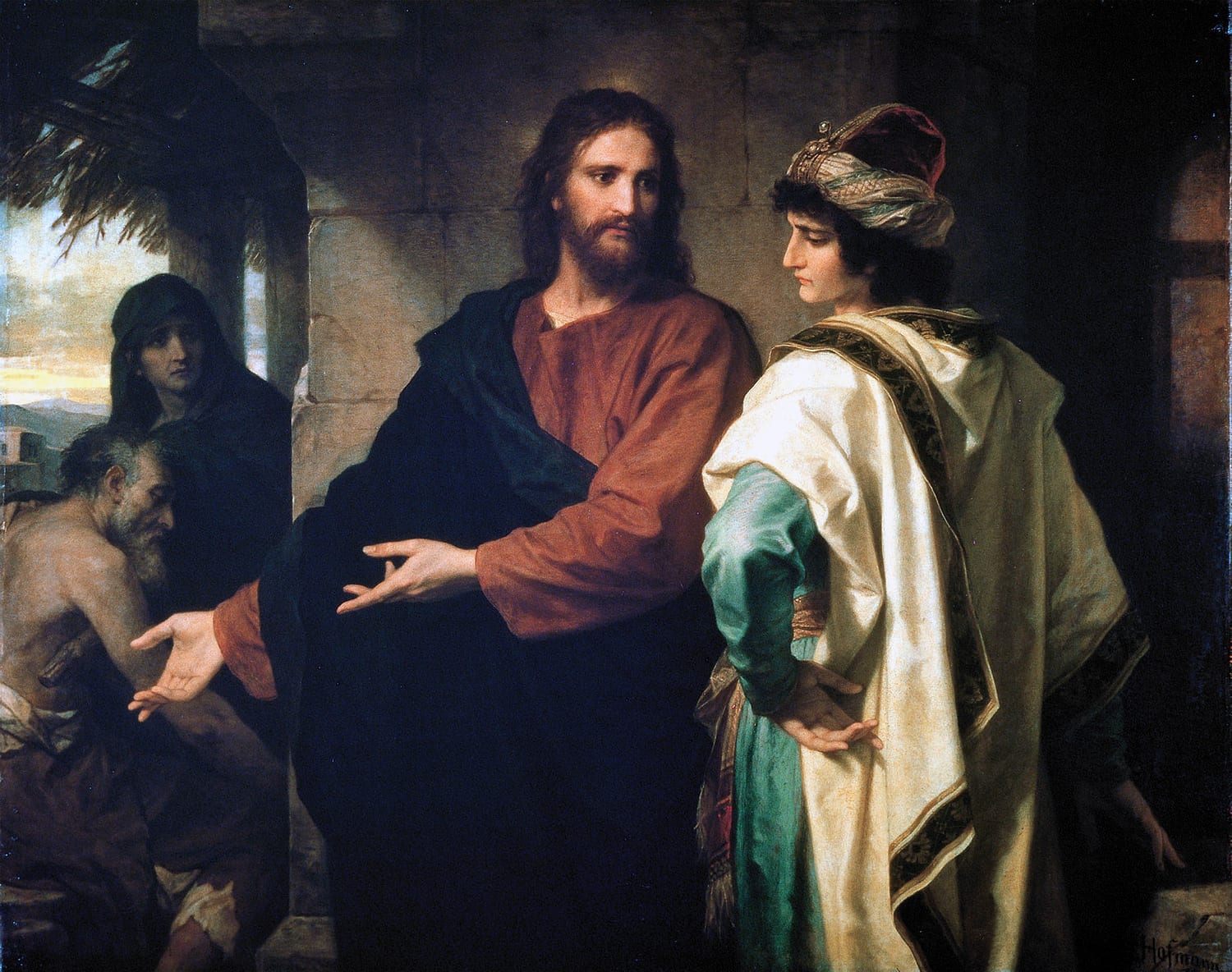 christ-rich-young-ruler.jpg | Christ and the Rich Young Ruler Heinrich Hofmann 1889 Source ↗ | Public domain | Hero background | Hofmann’s rich young ruler turning away from Jesus: the encounter at the heart of the course. |
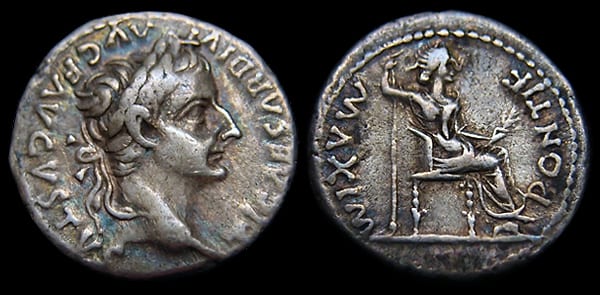 denarius.jpg | Silver denarius of Tiberius (the “Tribute Penny”) Photo: DrusMAX Coin 1st century CE (photographed 2012) Source ↗ | CC BY-SA 3.0 | Hero ornament | A denarius of Tiberius, the “tribute penny” of Jesus’ own day. |
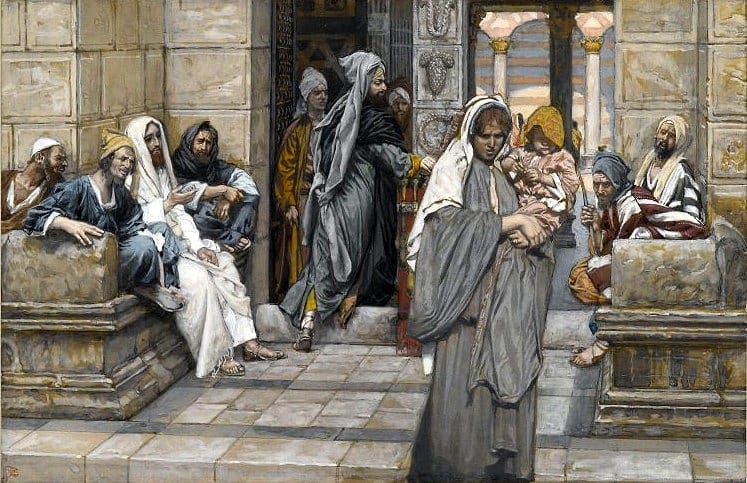 widows-mite.jpg | The Widow’s Mite (Le denier de la veuve) James Tissot c. 1886-1894 Source ↗ | Public domain | Hero ornament | Tissot’s poor widow giving her two small coins: the giving Jesus praised most. |
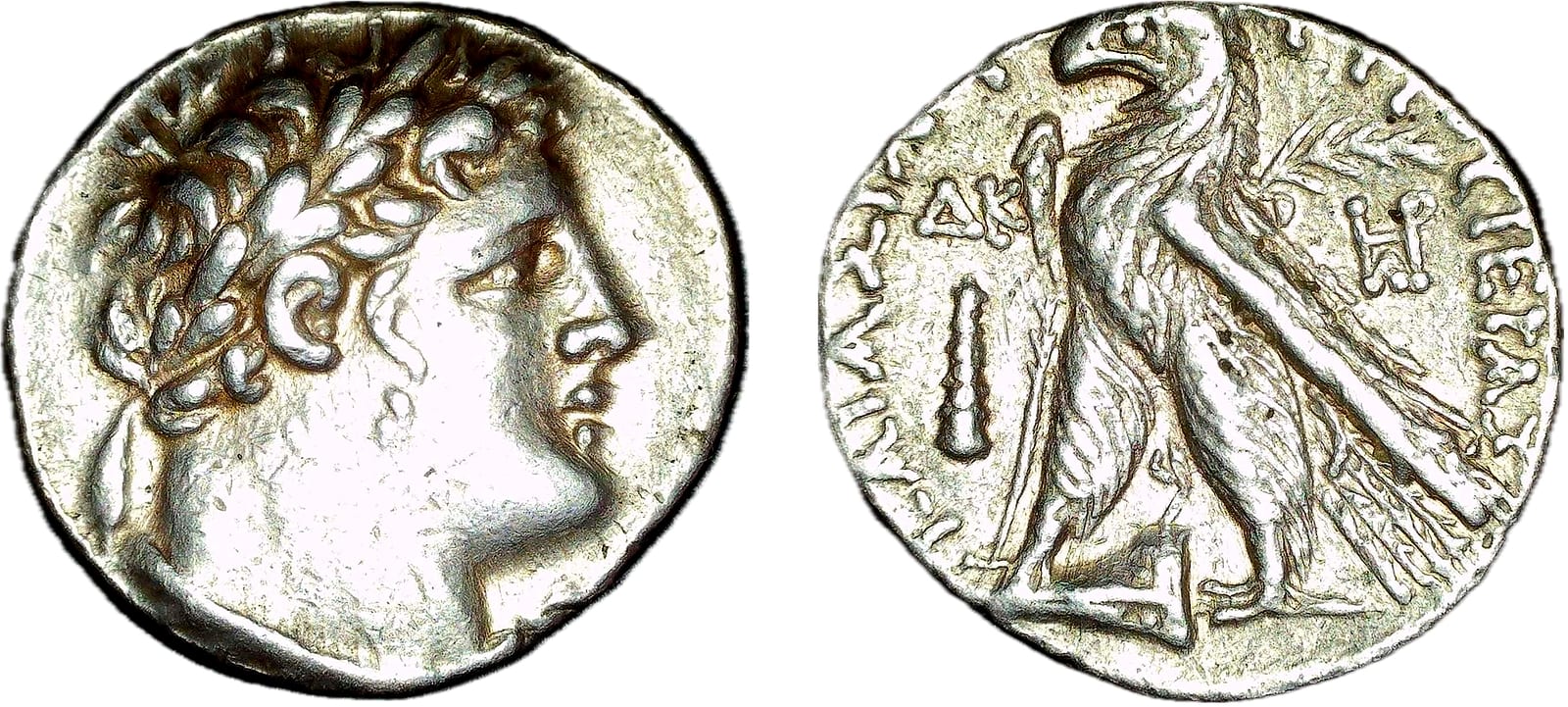 tyrian-shekel.jpg | Silver shekel of Tyre Photo: Moose1983 Shekel c. 1st century BCE (photographed 2025) Source ↗ | CC BY 4.0 | Hero ornament | The Tyrian shekel, the hard silver of the temple and the marketplace. |
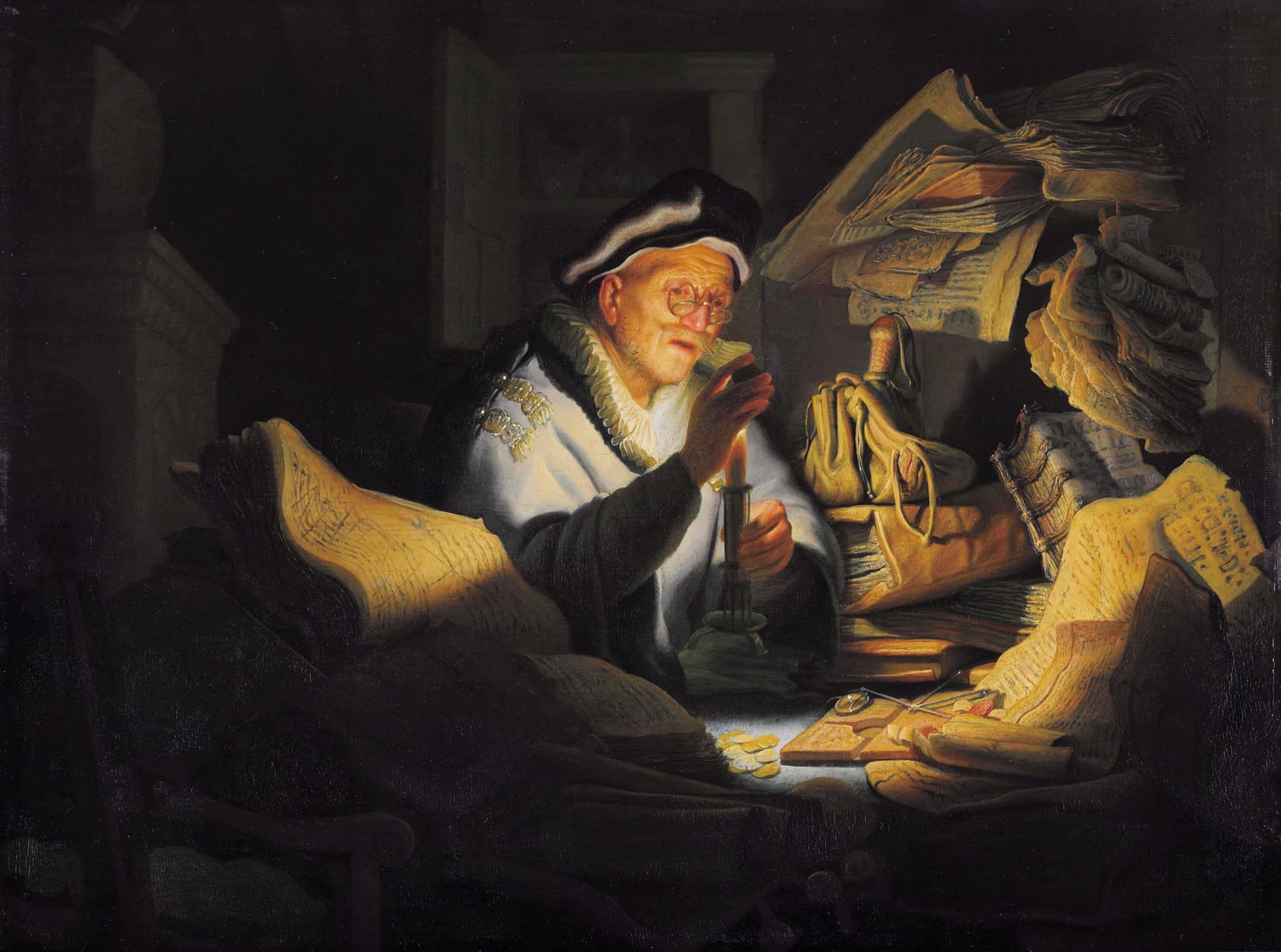 rich-fool.jpg | The Parable of the Rich Fool Rembrandt van Rijn 1627 Source ↗ | Public domain | Origin section figure | Rembrandt’s miser by candlelight: the rich fool who stored up treasure and lost his soul. |
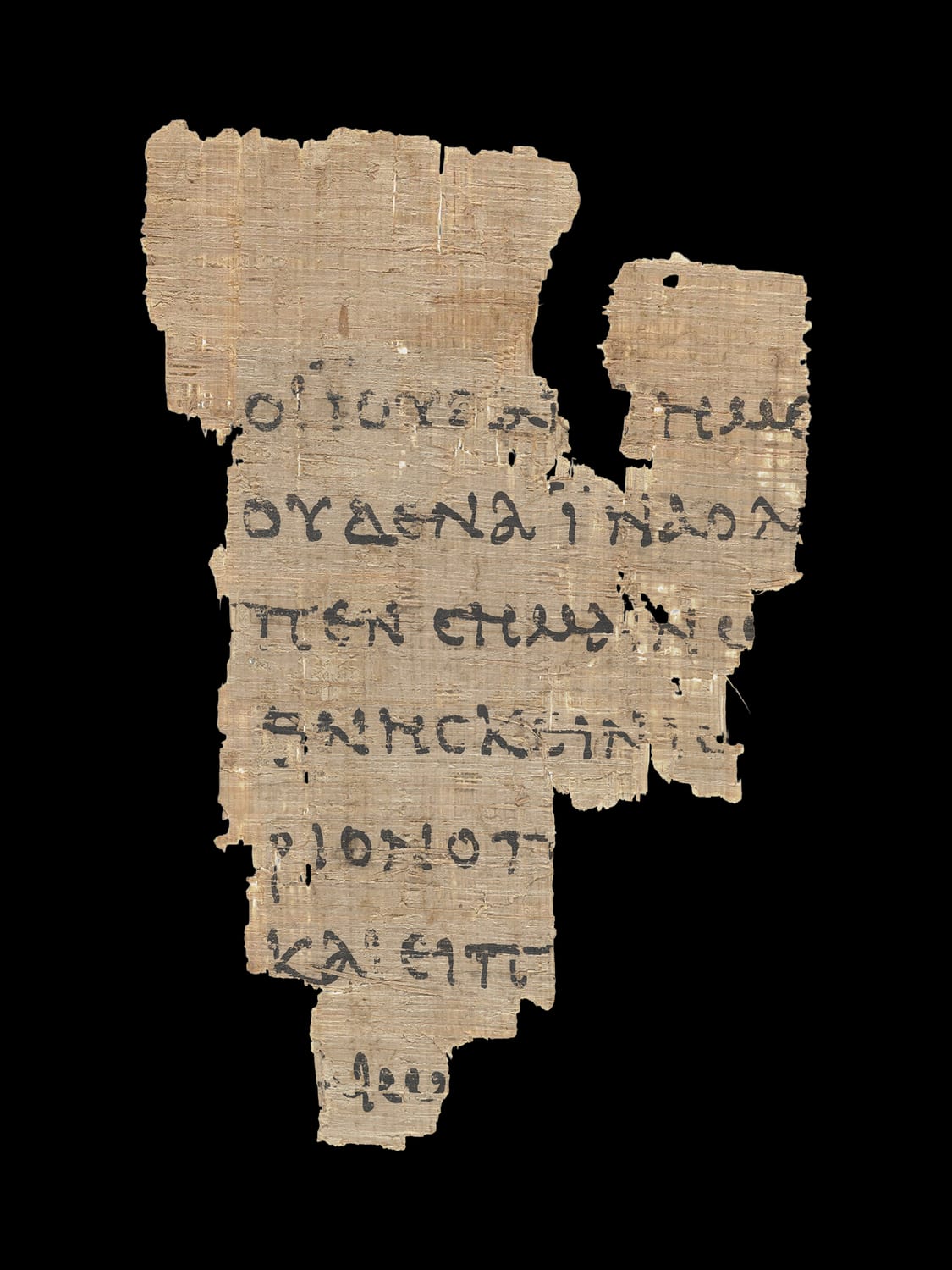 papyrus-gospel.jpg | Rylands Papyrus 52, Gospel of John 18:31-33 Unknown (2nd-century scribe) 2nd century CE Source ↗ | Public domain | At-a-Glance backdrop | P52, the earliest surviving scrap of a Gospel, the kind of text the course reads. |
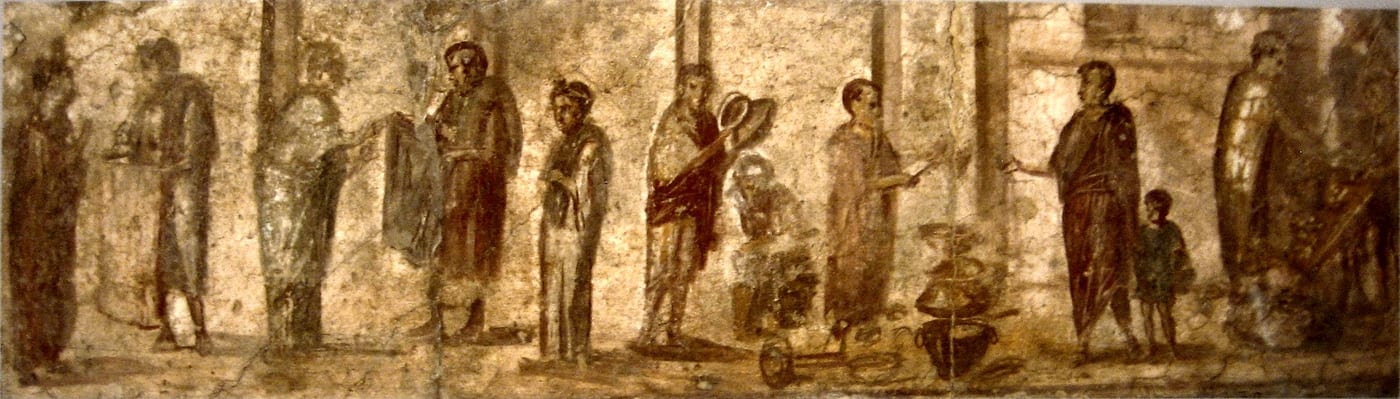 ancient-economy.jpg | Forum market fresco, House of Julia Felix, Pompeii Roman painter (Photo: Wmpearl) 1st century AD Source ↗ | Public domain | Theme I medallion (Wealth in Jesus’ World) | A Pompeii market fresco: the everyday Roman economy Jesus’ teaching speaks into. |
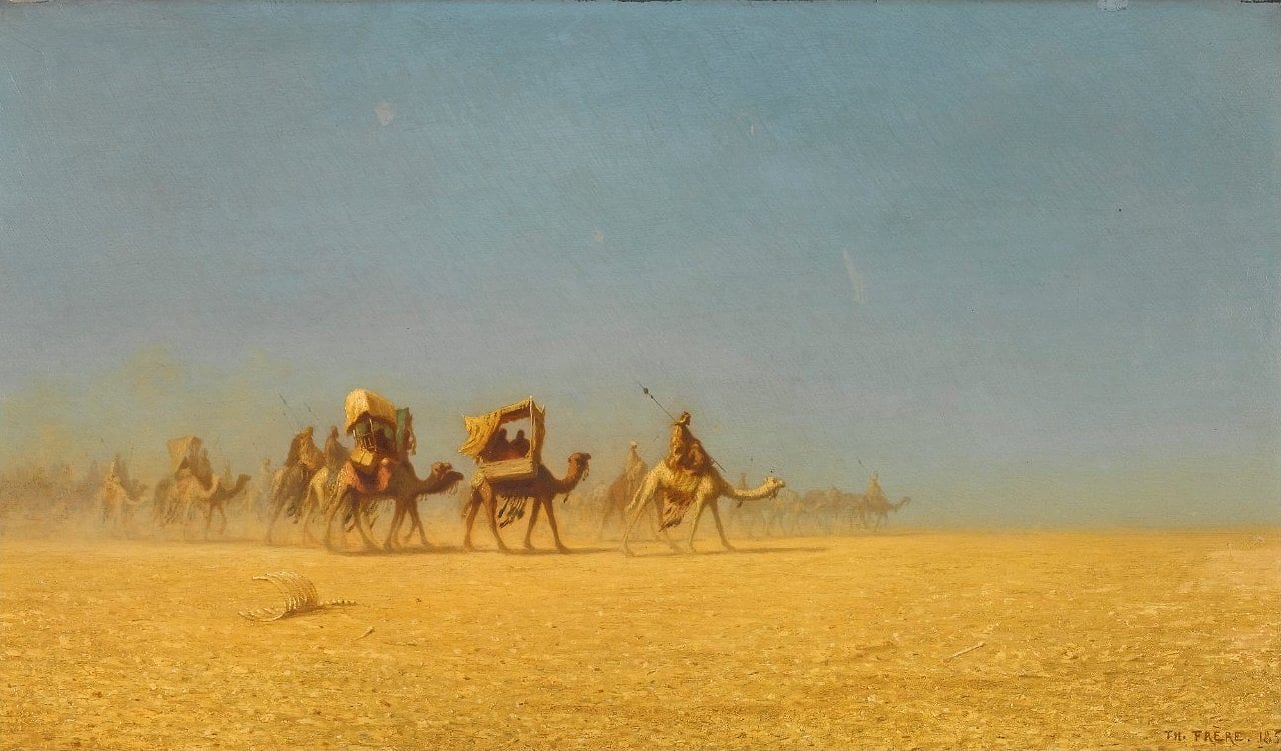 camel.jpg | Camel Train in the Desert Charles-Théodore Frère 1855 Source ↗ | Public domain | Theme II medallion (The Camel Explained) | A camel caravan: the beast Jesus sent through the eye of a needle. |
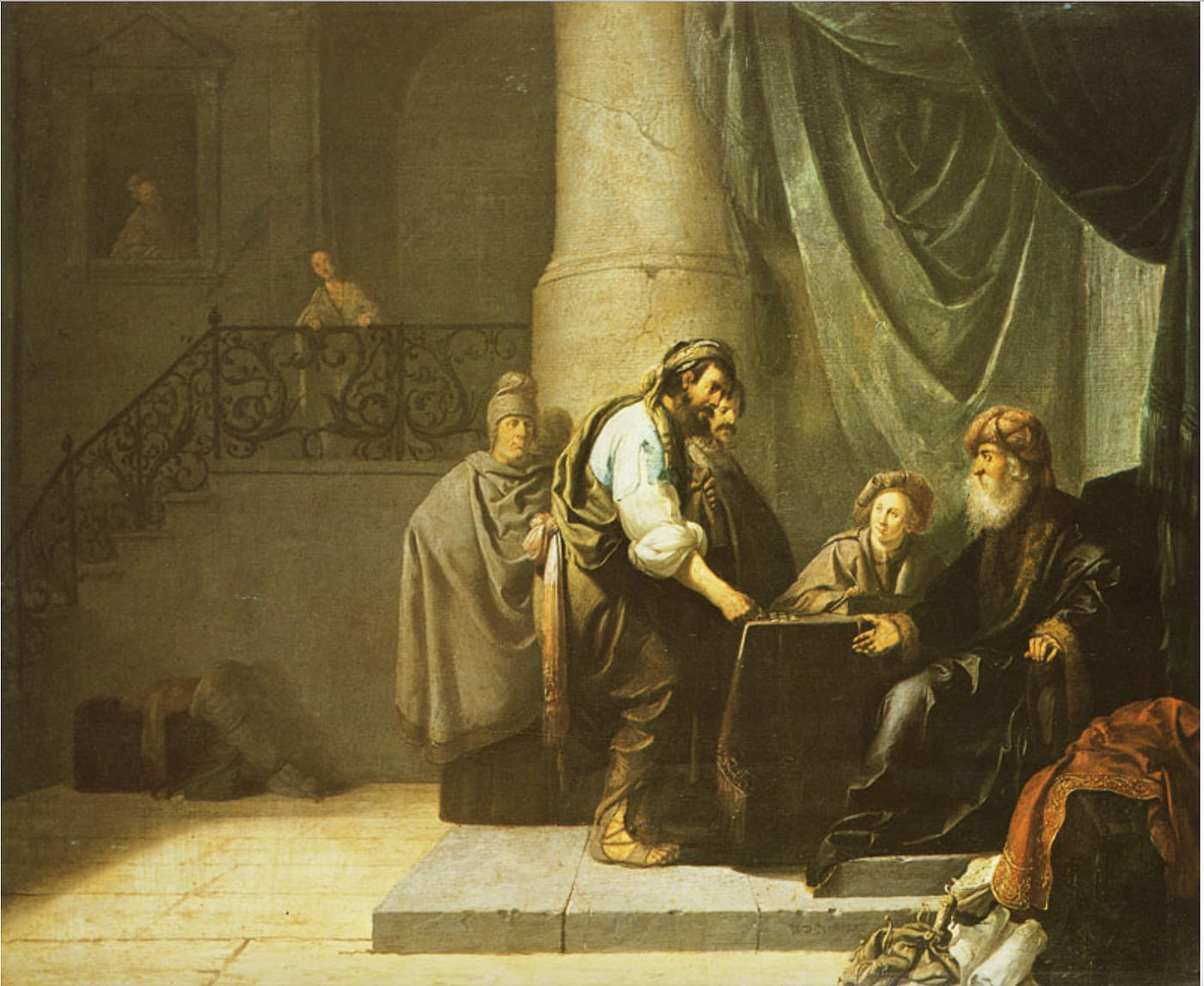 parable-talents.jpg | The Parable of the Talents Willem de Poorter c. 1650 Source ↗ | Public domain | Theme III medallion (The Capitalist Jesus?) | De Poorter’s Parable of the Talents: the text behind the “capitalist Jesus” reading. |
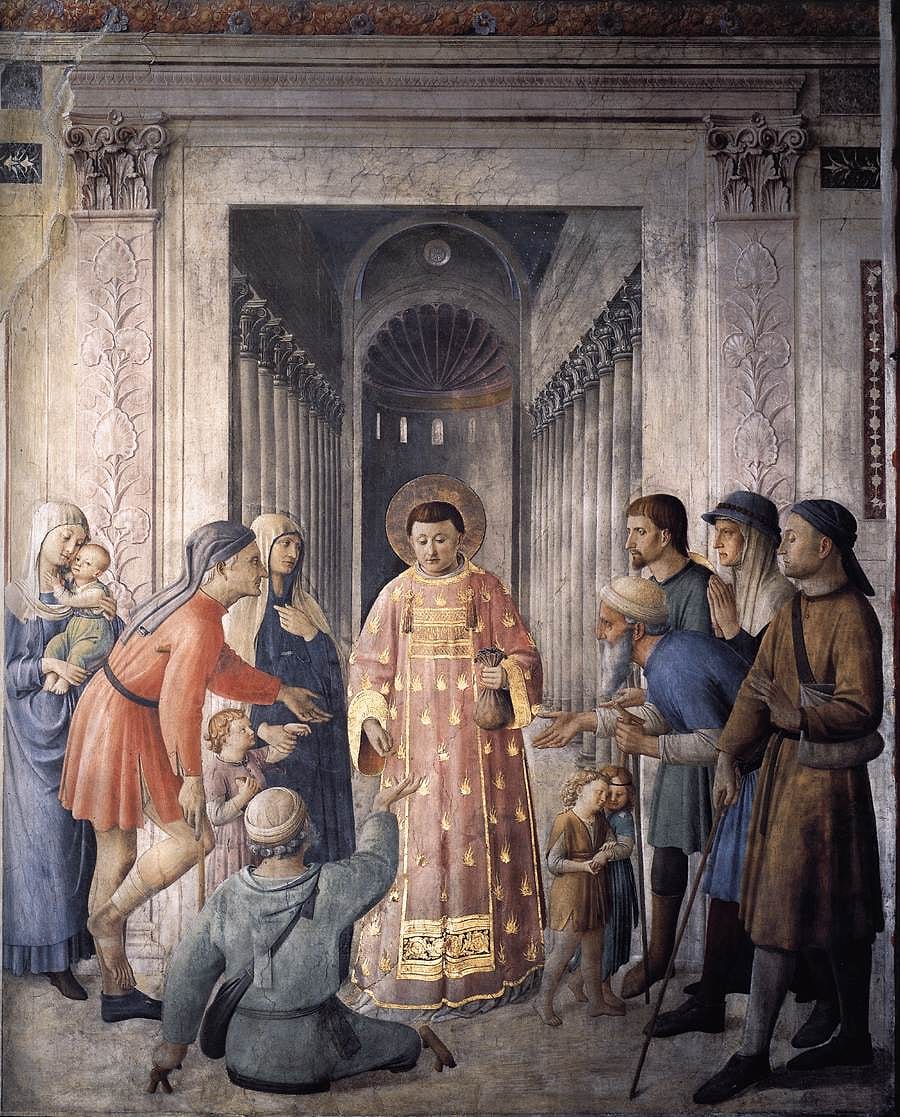 alms-distribution.jpg | St Lawrence Distributing Alms (Niccoline Chapel) Fra Angelico c. 1447-1449 Source ↗ | Public domain | Theme IV medallion (The Socialist Jesus?) | Fra Angelico’s St Lawrence giving to the poor: charity as the early church practiced it. |
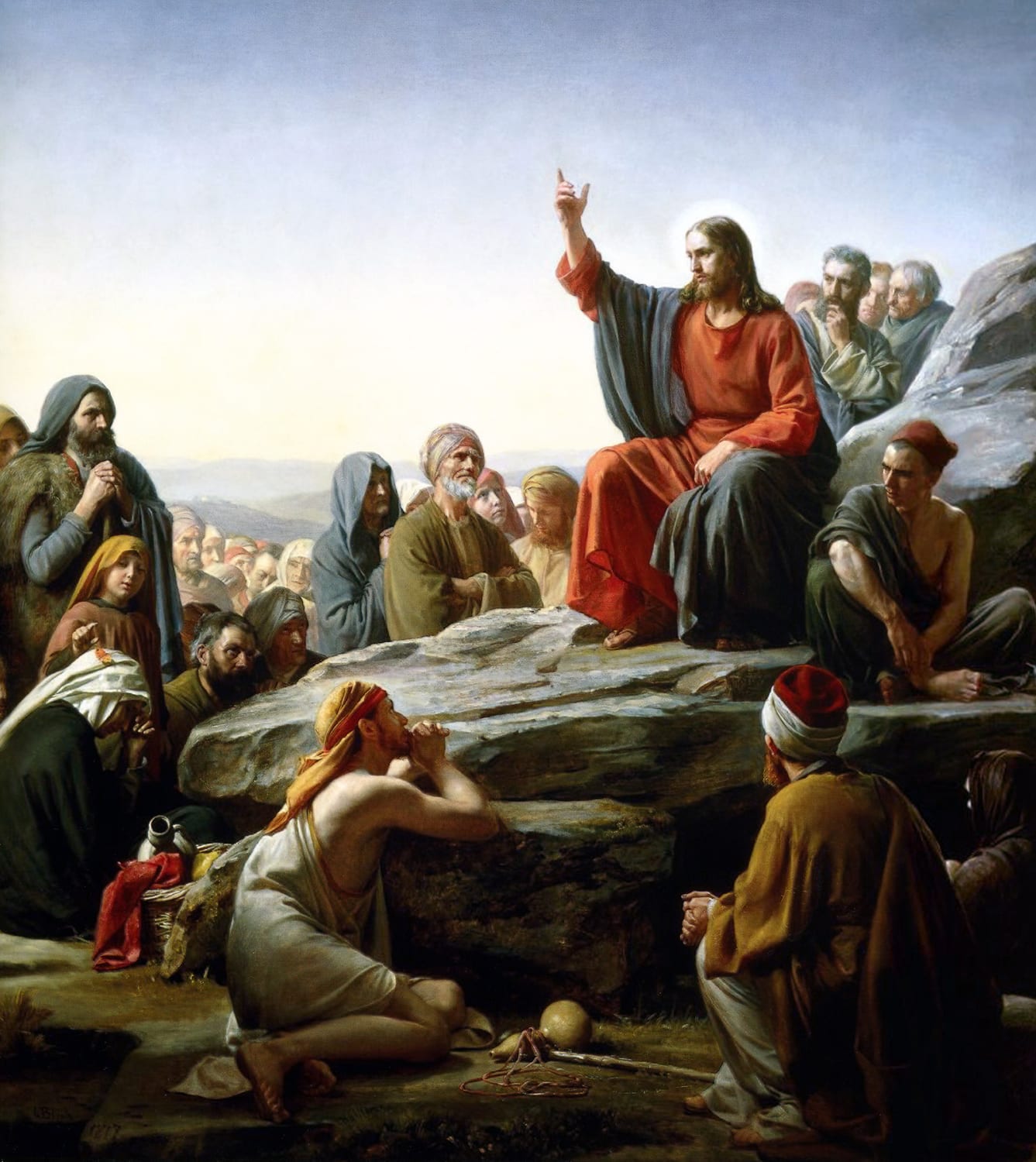 sermon-mount.jpg | The Sermon on the Mount Carl Bloch 1877 Source ↗ | Public domain | Theme V medallion (True Altruism?) | Bloch’s Sermon on the Mount: where Jesus ties reward to righteousness. |
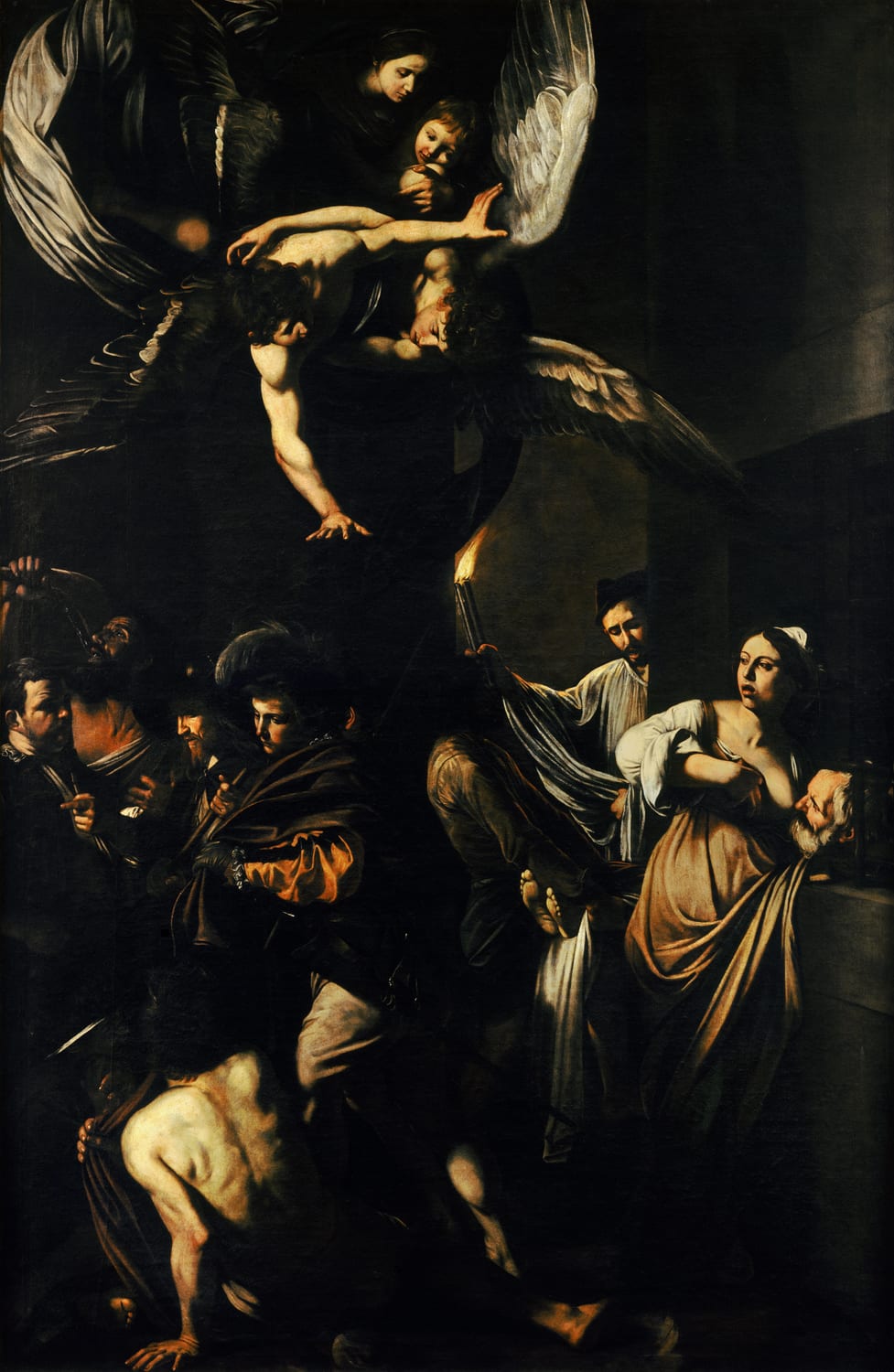 works-of-mercy.jpg | The Seven Works of Mercy Caravaggio 1606-1607 Source ↗ | Public domain | Theme VI medallion (The Birth of Charity) | Caravaggio’s Seven Works of Mercy: feeding, clothing, and sheltering the poor. |
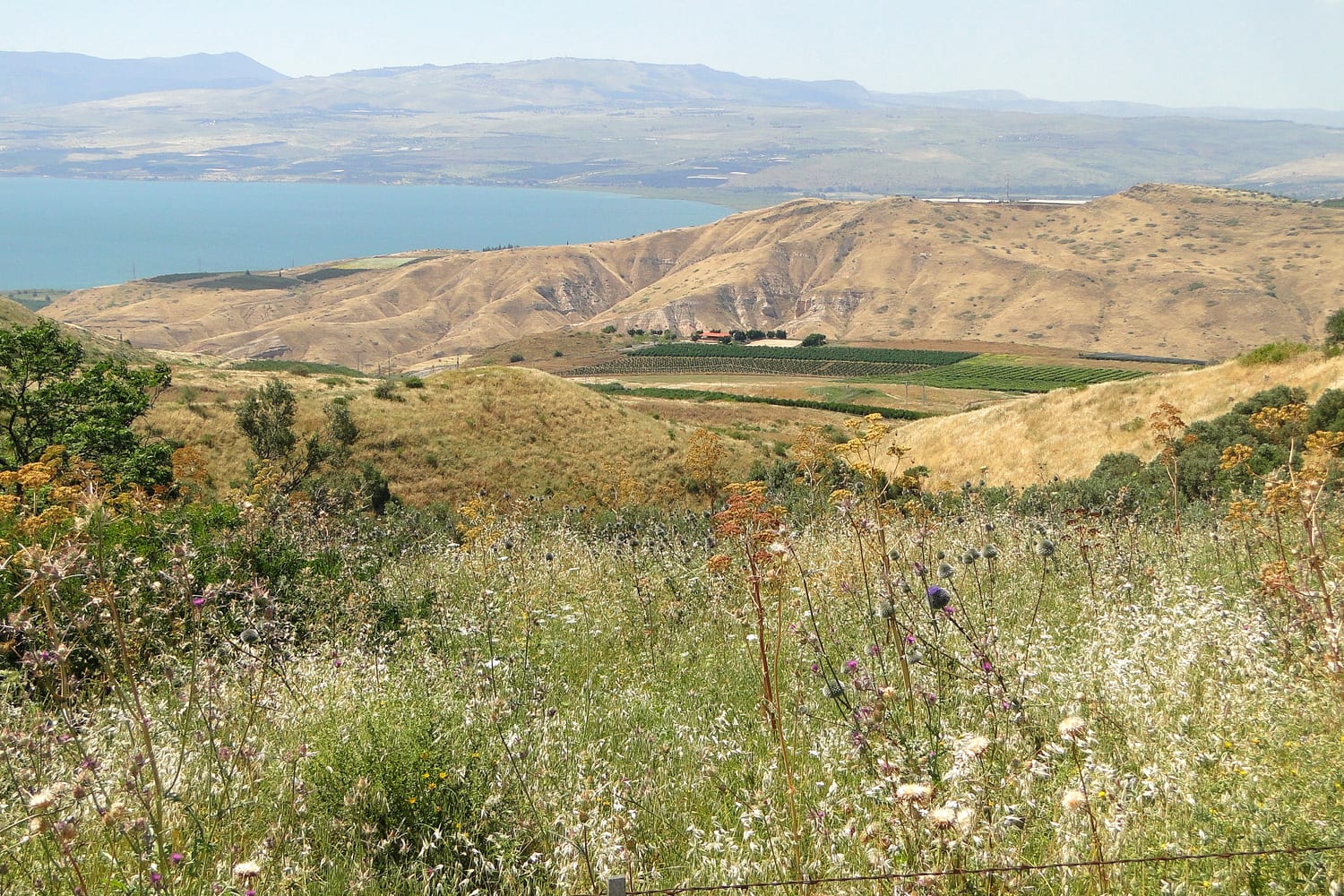 sea-of-galilee.jpg | The Sea of Galilee from the Golan Heights Photo: Adam Jones Photographed 2011 Source ↗ | CC BY-SA 2.0 | Instructor backdrop | The Sea of Galilee, the lakeside world where Jesus taught. |
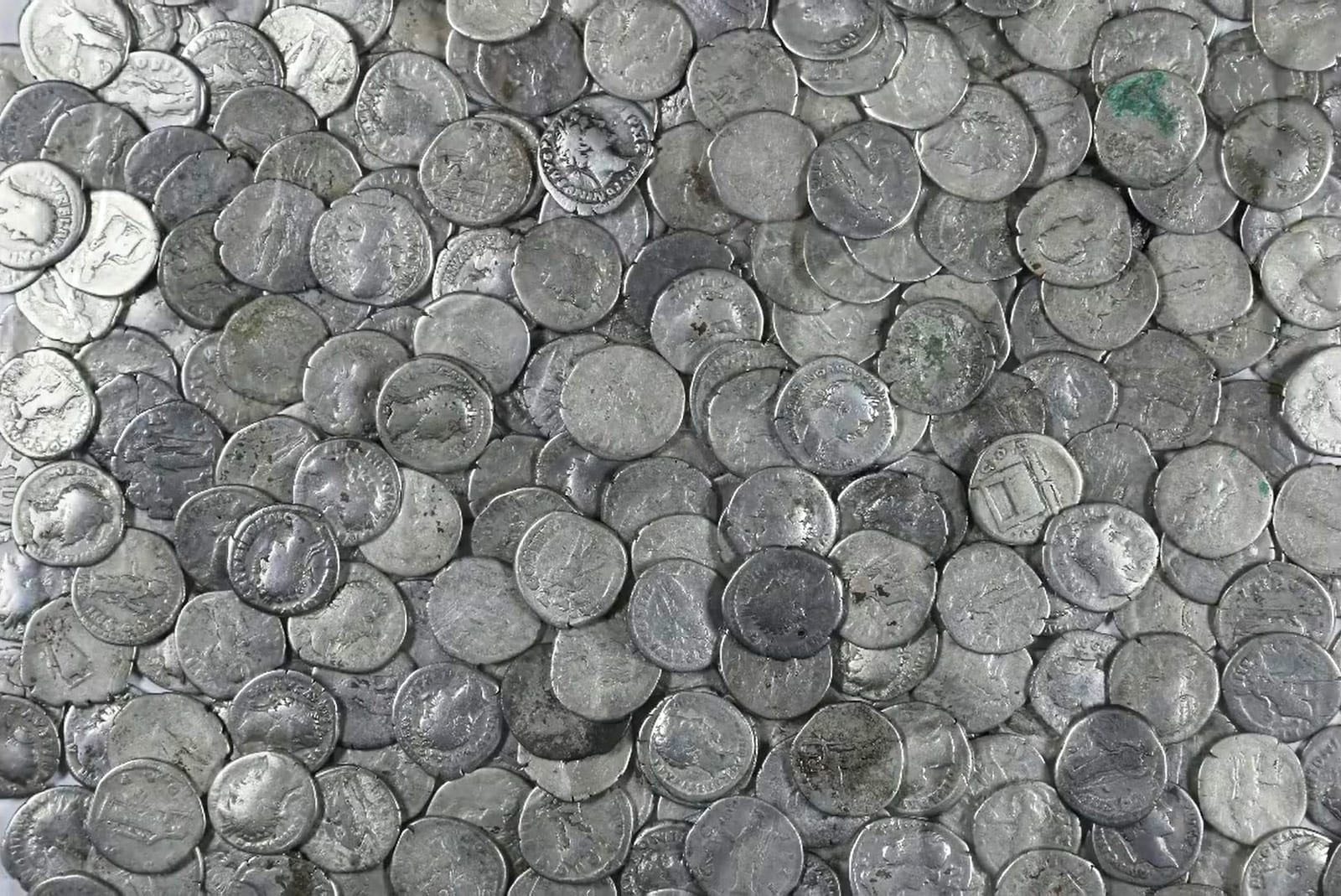 roman-coins.jpg | Hoard of Roman silver denarii (Cichobórz) Photo: Gabinet Numizmatyczny D. Marciniak Roman denarii (photographed 2021) Source ↗ | CC BY 3.0 | Stats backdrop | A hoard of Roman denarii: the silver that measured wealth in Jesus’ world. |
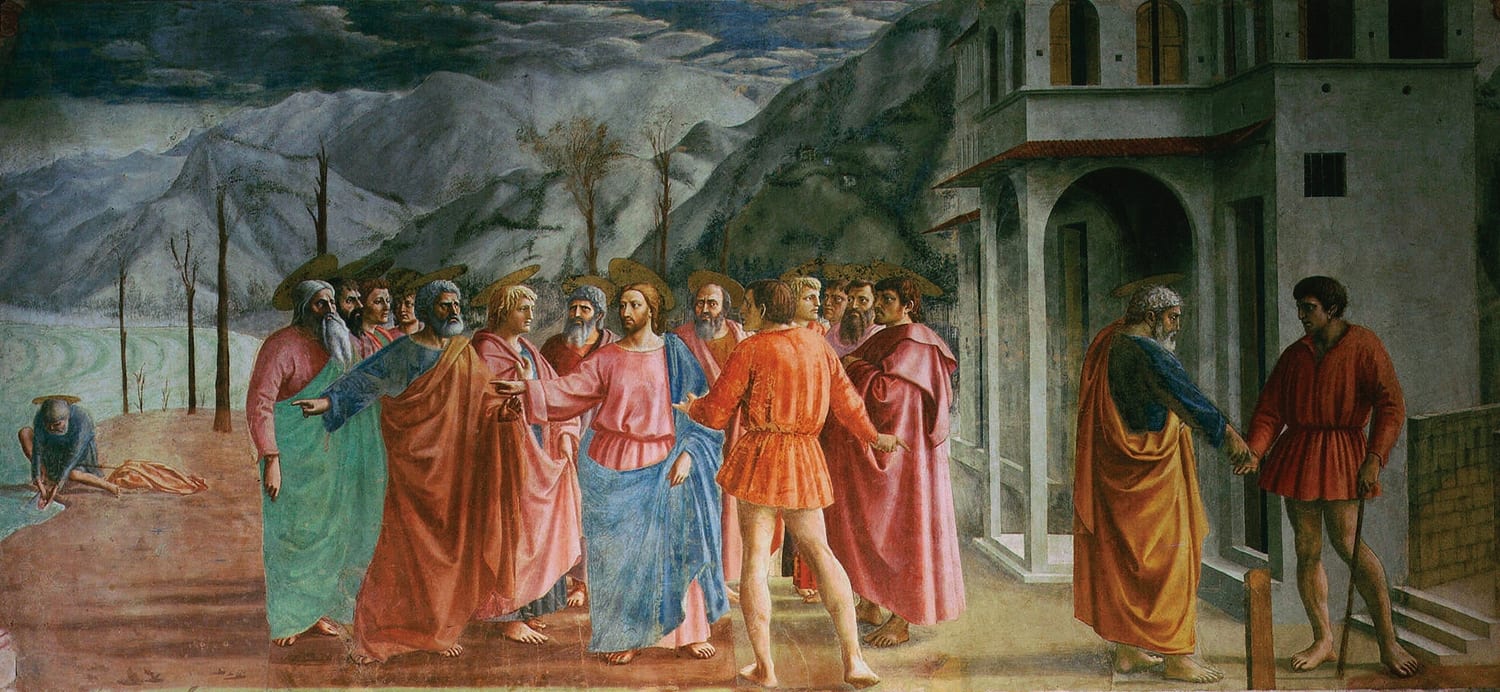 tribute-money.jpg | The Tribute Money (Brancacci Chapel) Masaccio 1424-1428 Source ↗ | Public domain | Highlights backdrop | Masaccio’s Tribute Money: render unto Caesar, and the question of money and God. |
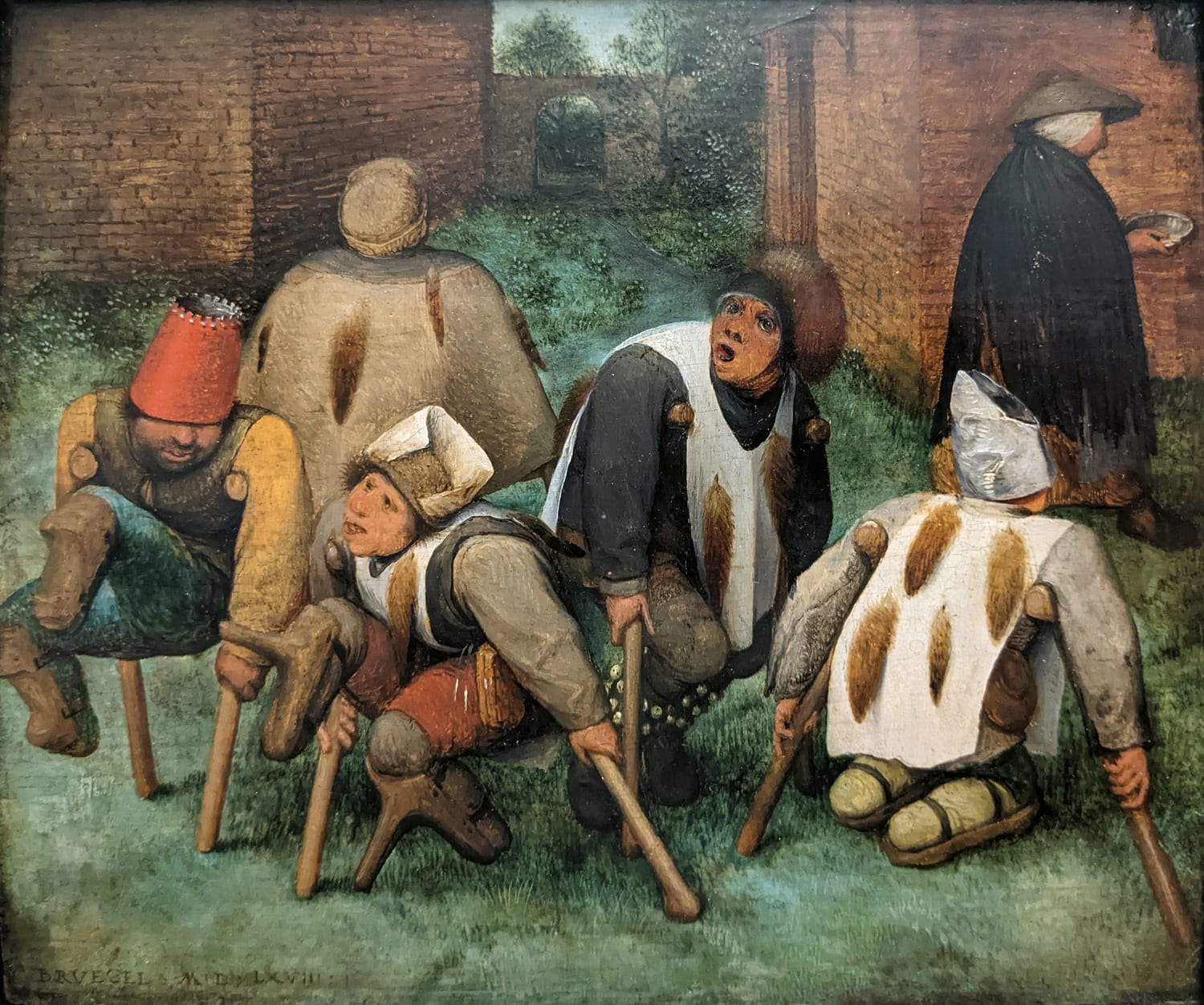 beggars.jpg | The Beggars (Les Mendiants) Pieter Bruegel the Elder 1568 Source ↗ | Public domain | Highlights image card | Bruegel’s beggars: the destitute who stood at the bottom of the ancient economy. |
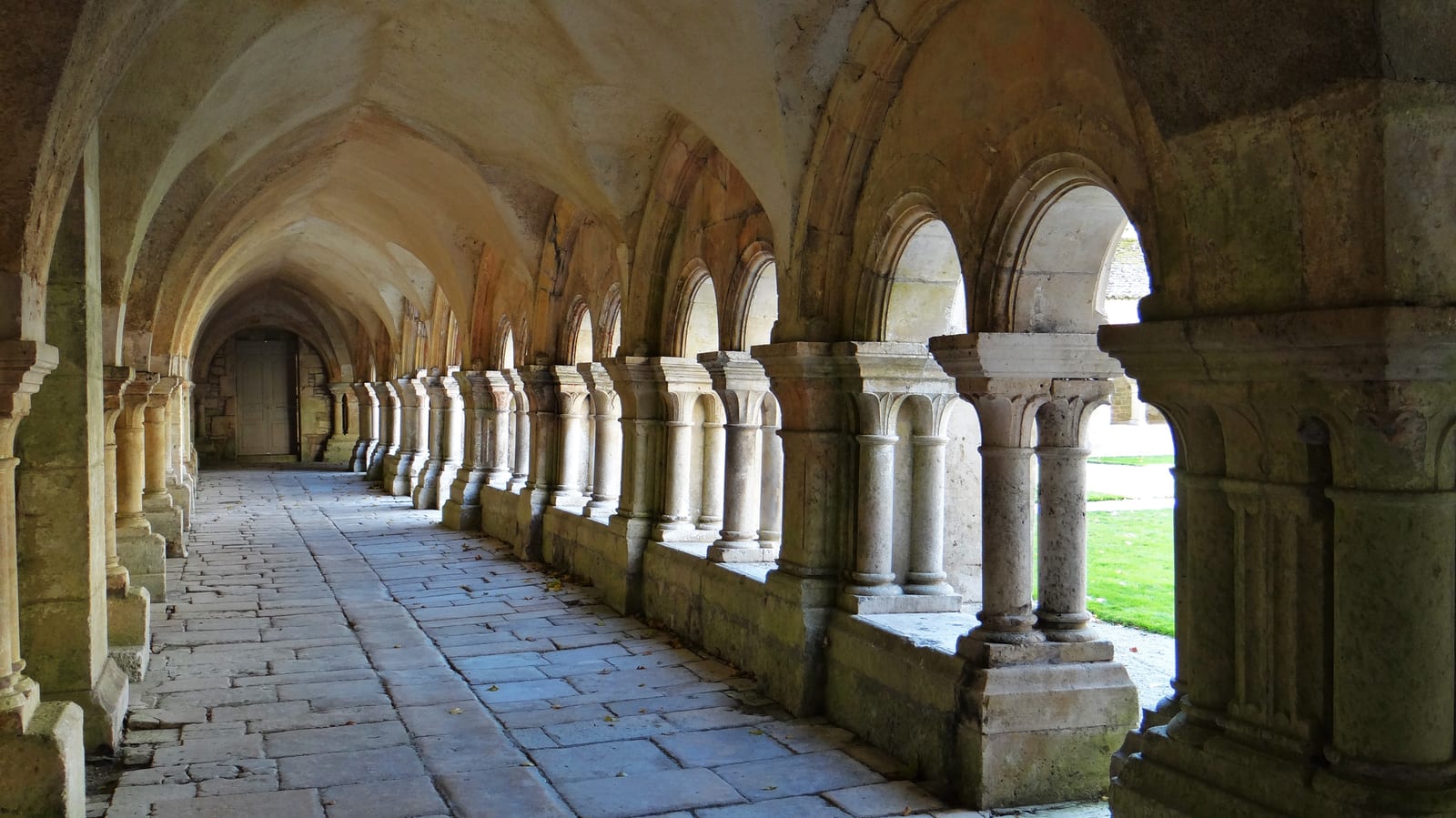 monastery.jpg | Cloister of the Abbey of Fontenay Photo: Ibex73 Abbey 12th century (photographed 2020) Source ↗ | CC BY-SA 4.0 | Highlights image card | A Cistercian cloister: the monastic movement that built the first hospitals and almshouses. |
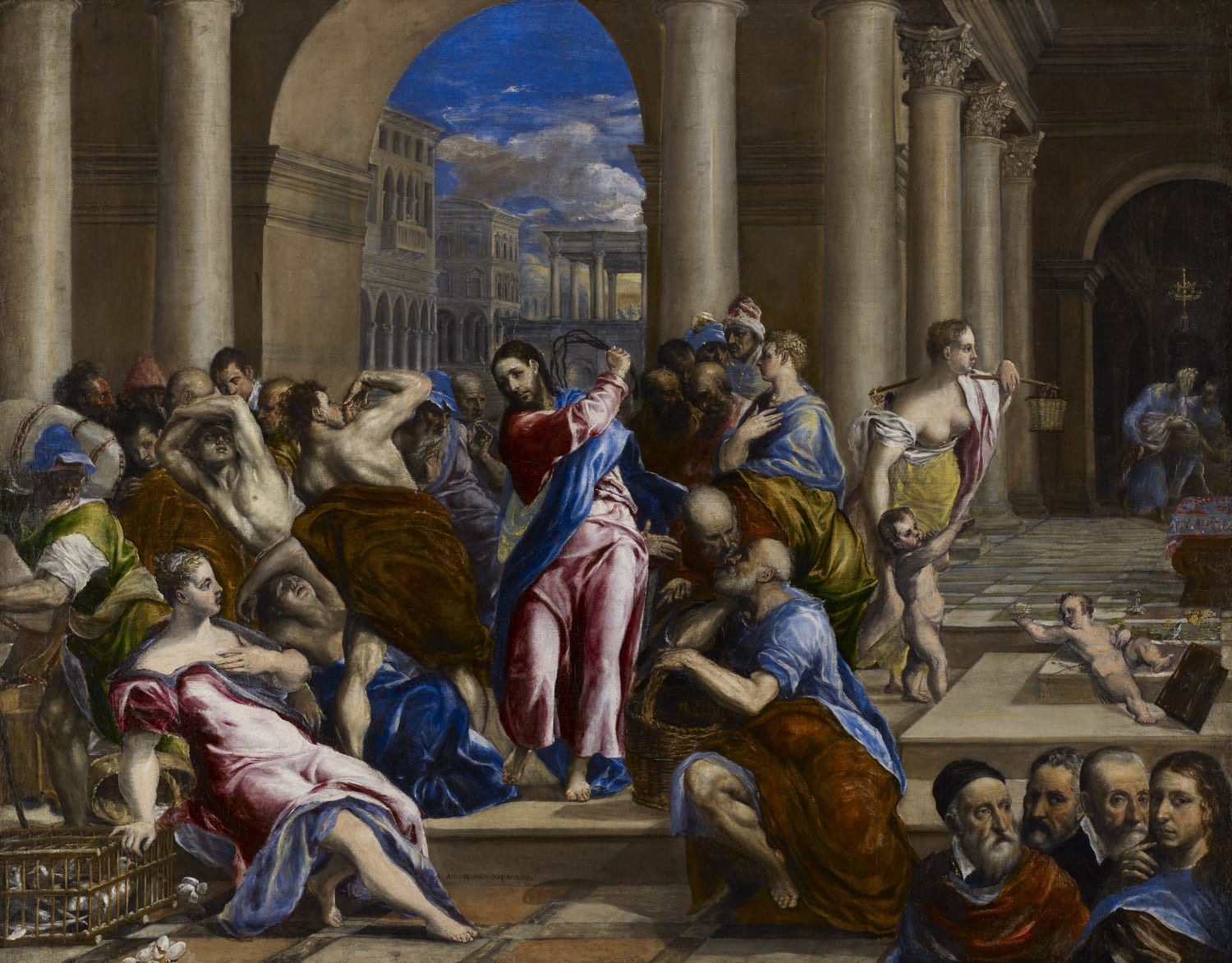 money-changers.jpg | Christ Driving the Money Changers from the Temple El Greco c. 1570 Source ↗ | Public domain | “Prepare to Rethink” backdrop | El Greco’s Christ driving out the money changers: Jesus and the marketplace of the temple. |
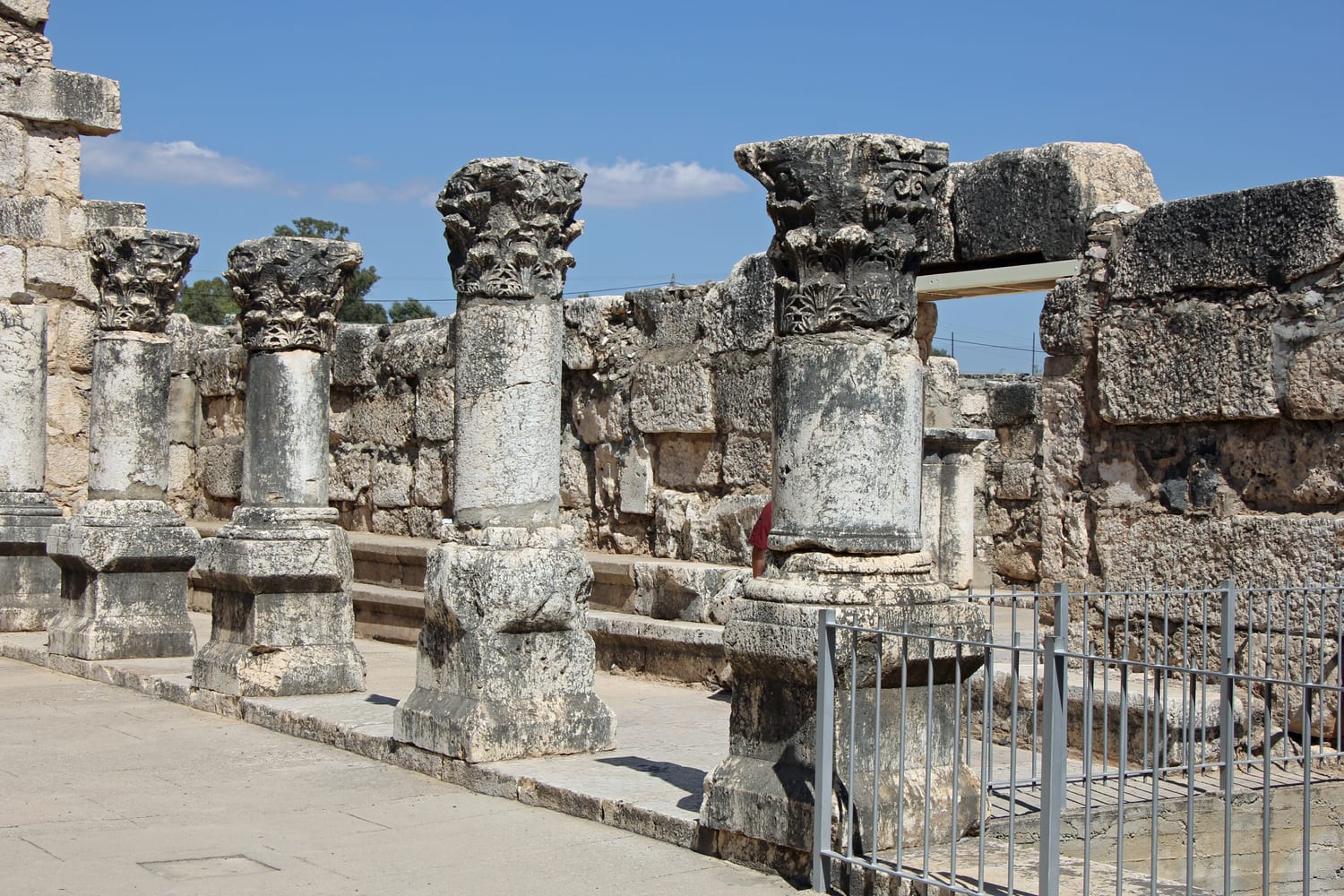 capernaum.jpg | The white synagogue at Capernaum Photo: Eduard Marmet Synagogue 4th-5th century CE (photographed 2016) Source ↗ | CC BY-SA 2.0 | Schedule backdrop | The synagogue ruins at Capernaum, a Galilean town at the center of Jesus’ ministry. |
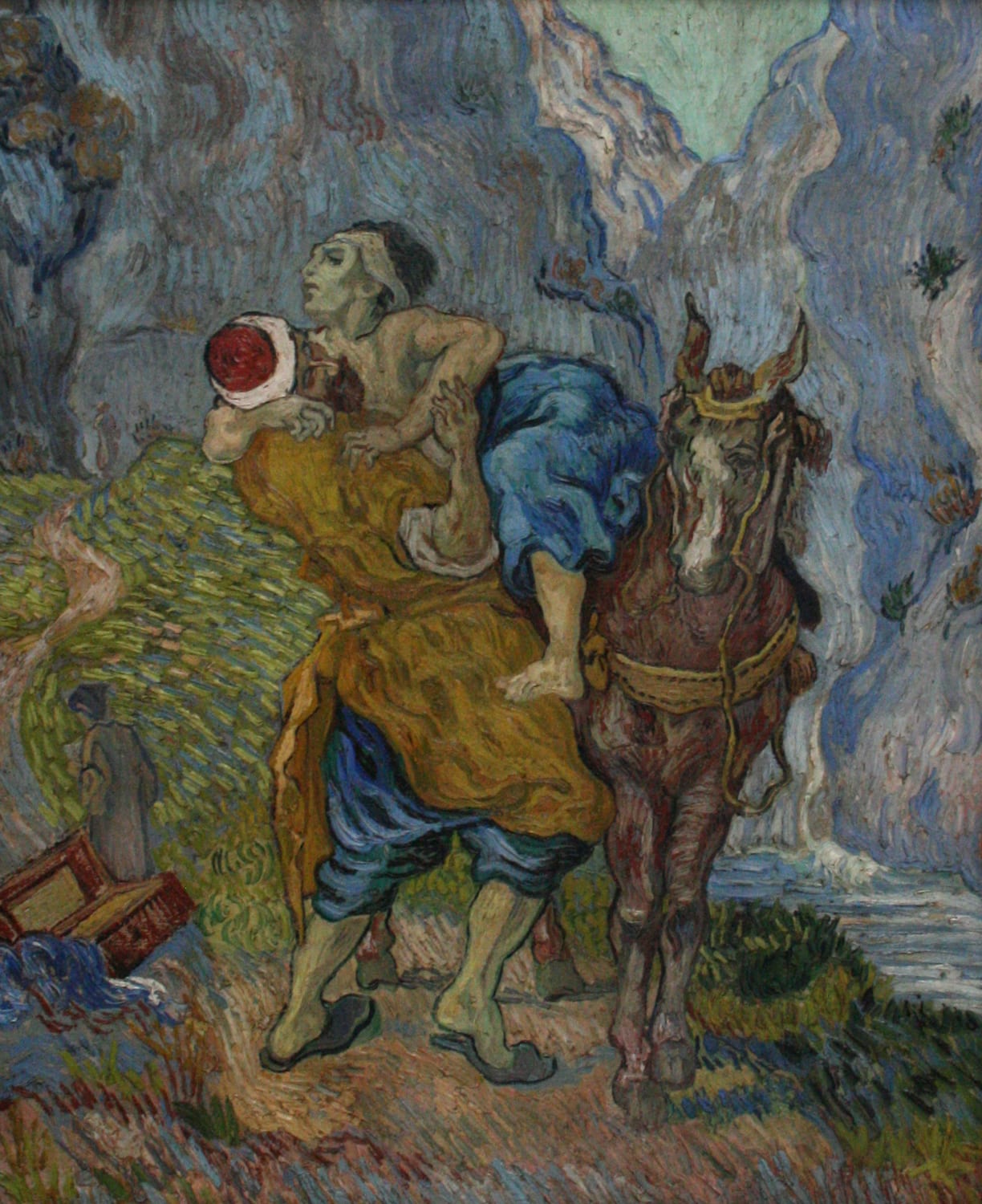 good-samaritan.jpg | The Good Samaritan (after Delacroix) Vincent van Gogh 1890 Source ↗ | Public domain | Bonuses backdrop | Van Gogh’s Good Samaritan: care for a stranger, the parable of mercy. |
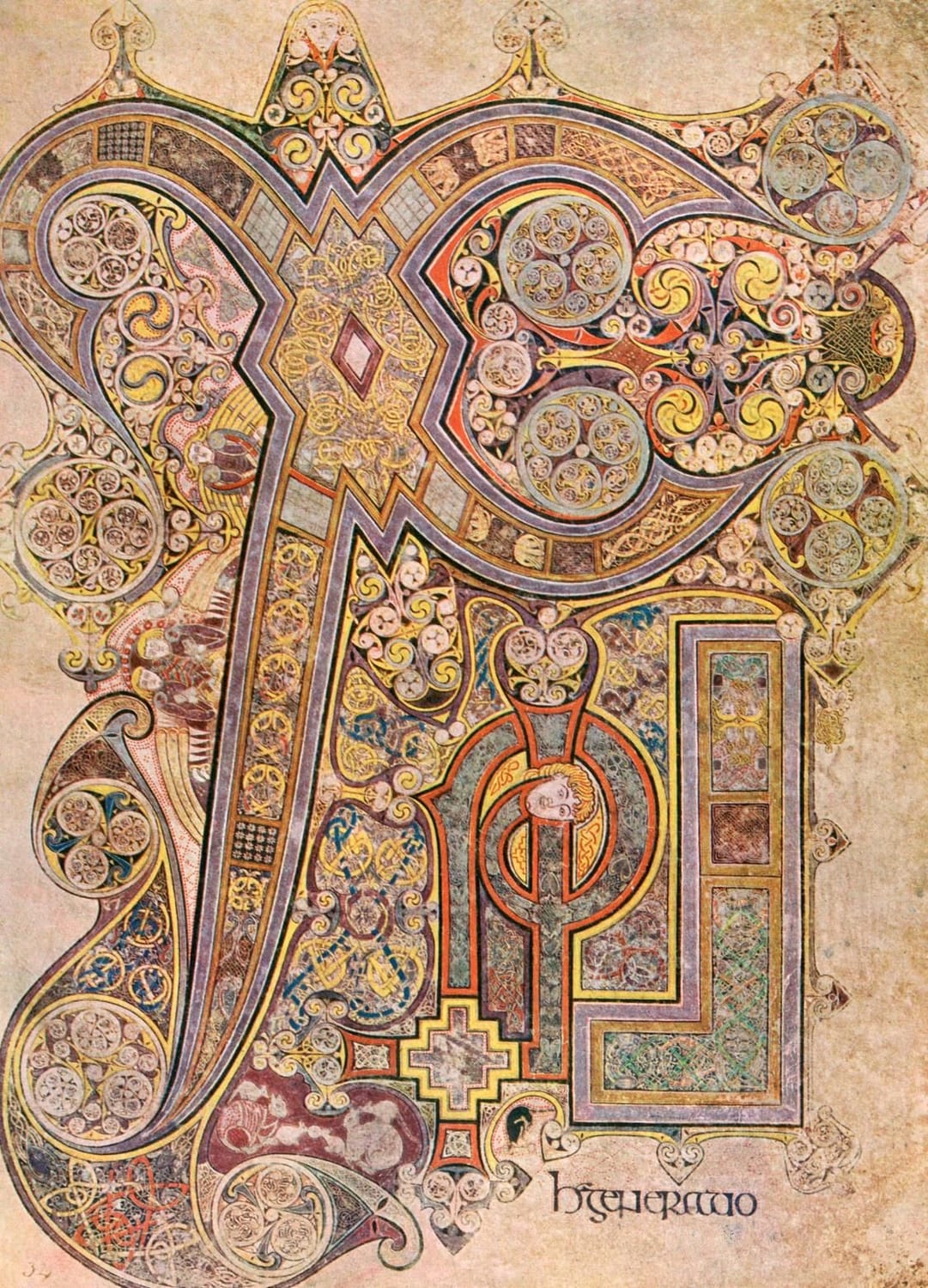 gospel-manuscript.jpg | The Book of Kells, Chi-Rho page (folio 34r) Insular monks (Book of Kells) c. 800 CE Source ↗ | Public domain | FAQ backdrop | The Book of Kells: the Gospels as the monks who kept Jesus’ teaching alive copied them. |
Public-domain works are reproduced freely. CC BY / CC BY-SA images are credited to their photographers as required; follow each Source link for the full license text.