
Image Credits
Finding Moses
Every image on the course page, with its source, license, and the reason it was chosen. The artwork is public-domain and freely-licensed material from Wikimedia Commons: paintings of Moses and the Exodus, photographs of Egypt and Sinai, and the monuments behind the story. Creative Commons photographs are noted below.
| Image | Work & Attribution | License | Where it appears | Why it’s included |
|---|---|---|---|---|
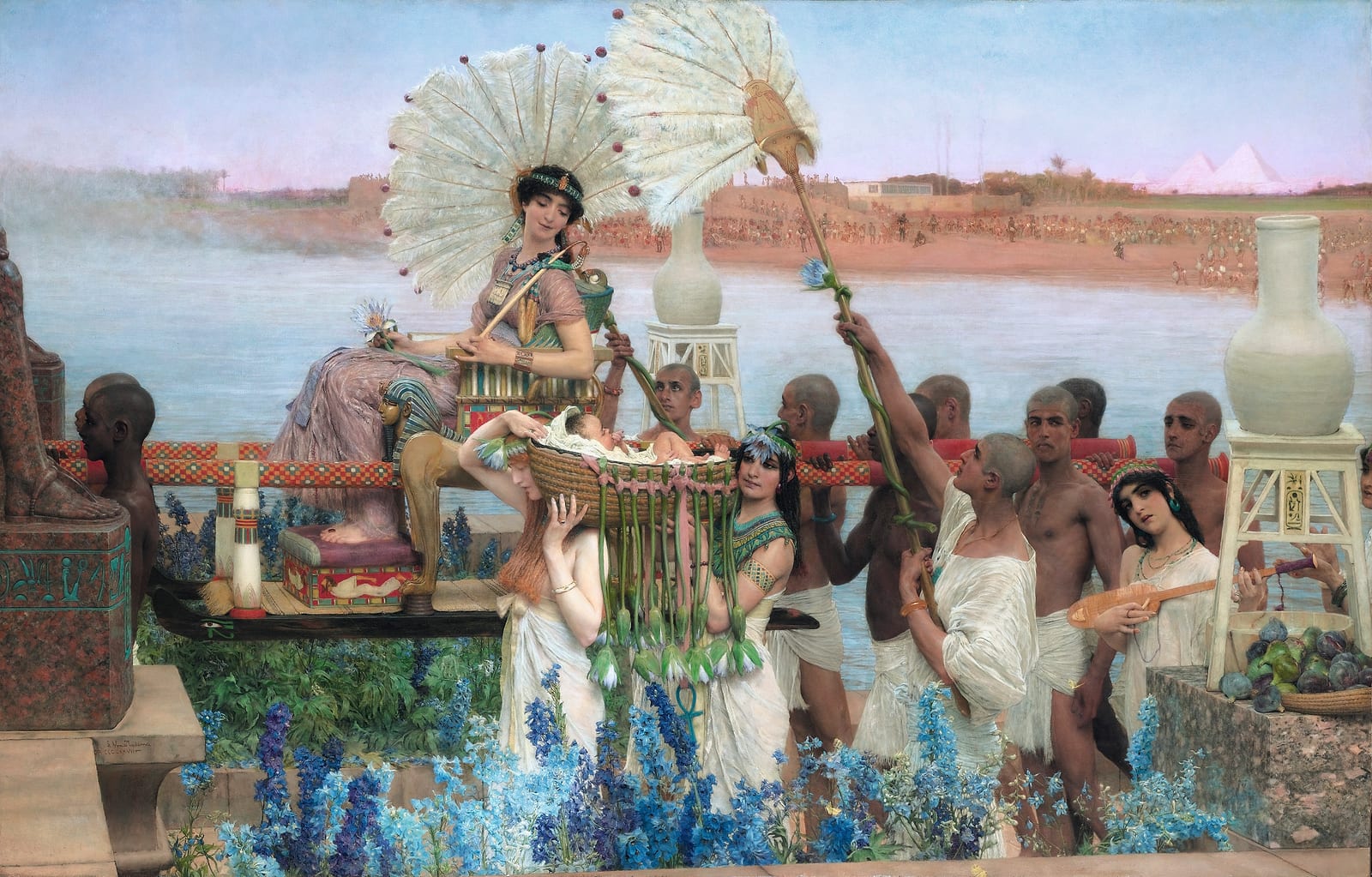 finding-of-moses.jpg | The Finding of Moses Lawrence Alma-Tadema 1904 Source ↗ | Public domain | Hero background | Alma-Tadema’s discovery of the infant Moses on the Nile: the scene that gives the course its name. |
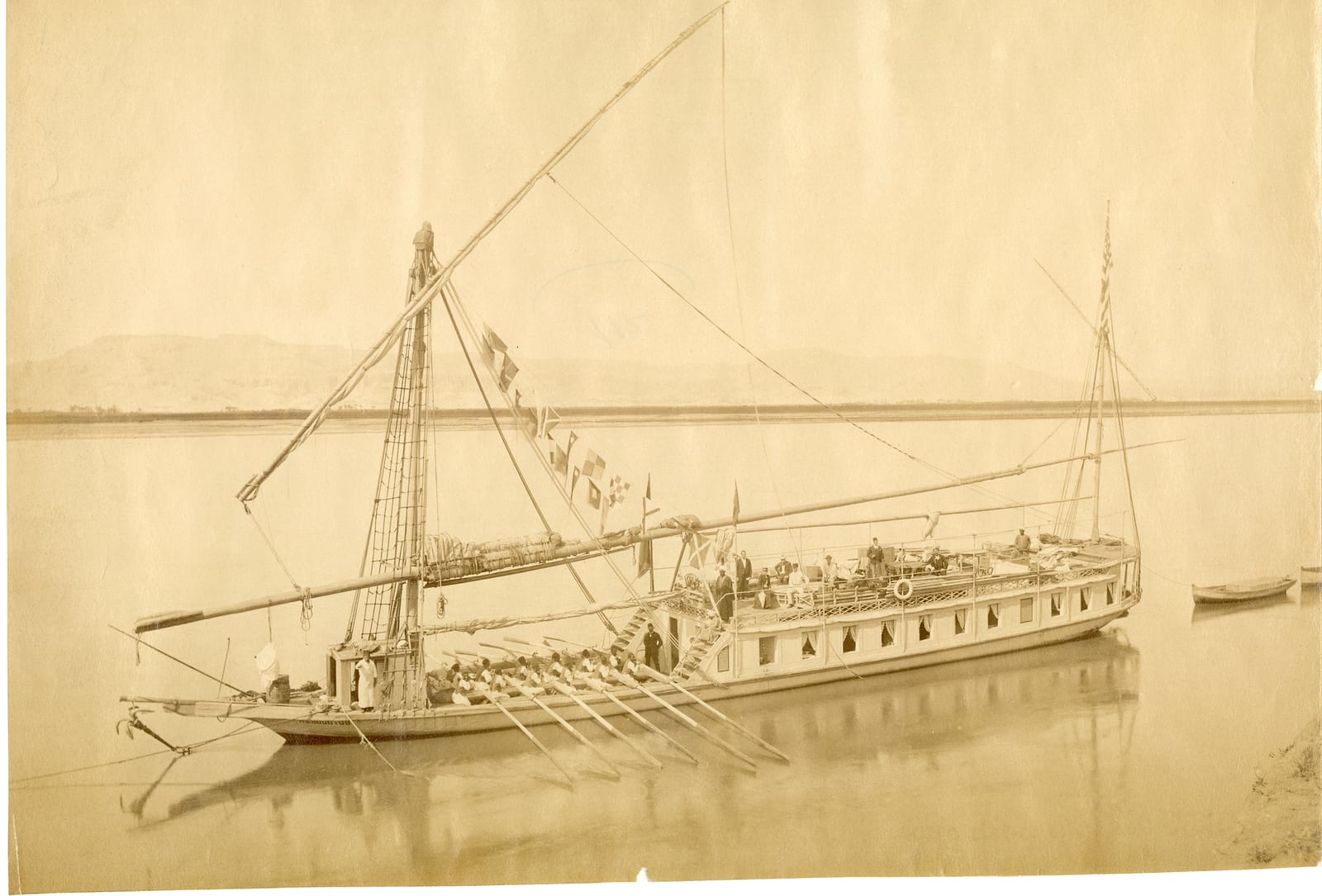 nile.jpg | Egyptian landscape on the Nile Photo: Antonio Beato c. 1870 to 1888 Source ↗ | CC0 | Hero ornament | A 19th-century photograph of the Nile: the river and land where the story of Moses begins. |
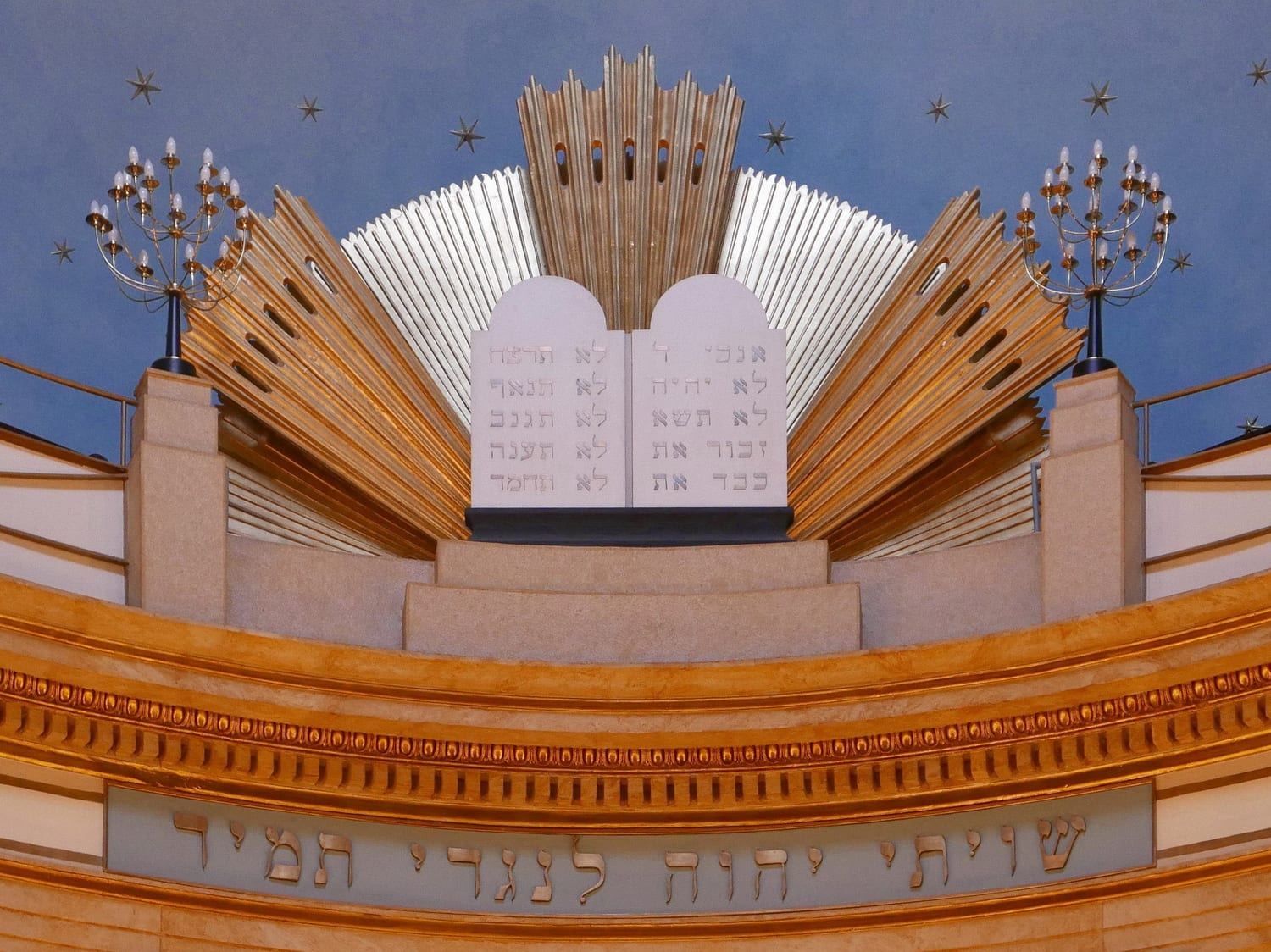 tablets.jpg | The Decalogue tablets, Vienna City Synagogue Photo: Dnalor 01 Photographed 2017 Source ↗ | CC BY-SA 3.0 AT | Hero ornament | The two tablets of the law that Moses brings down from the mountain. |
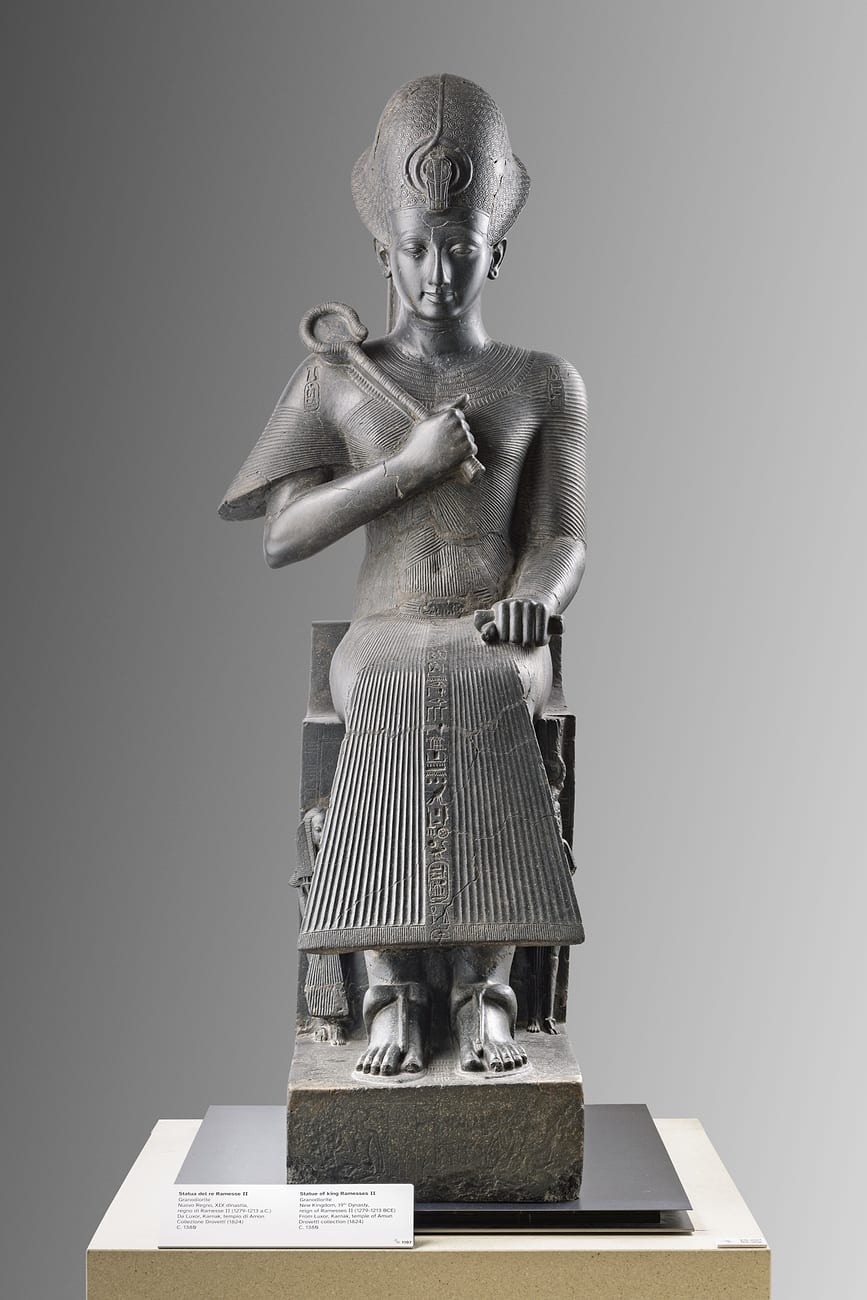 pharaoh.jpg | Statue of Ramesses II (Museo Egizio, Turin) Unknown (Egyptian sculptors) c. 1279 to 1213 BCE Source ↗ | CC0 | Hero ornament | Ramesses II, often cast as the pharaoh of the Exodus: the power Moses is said to have defied. |
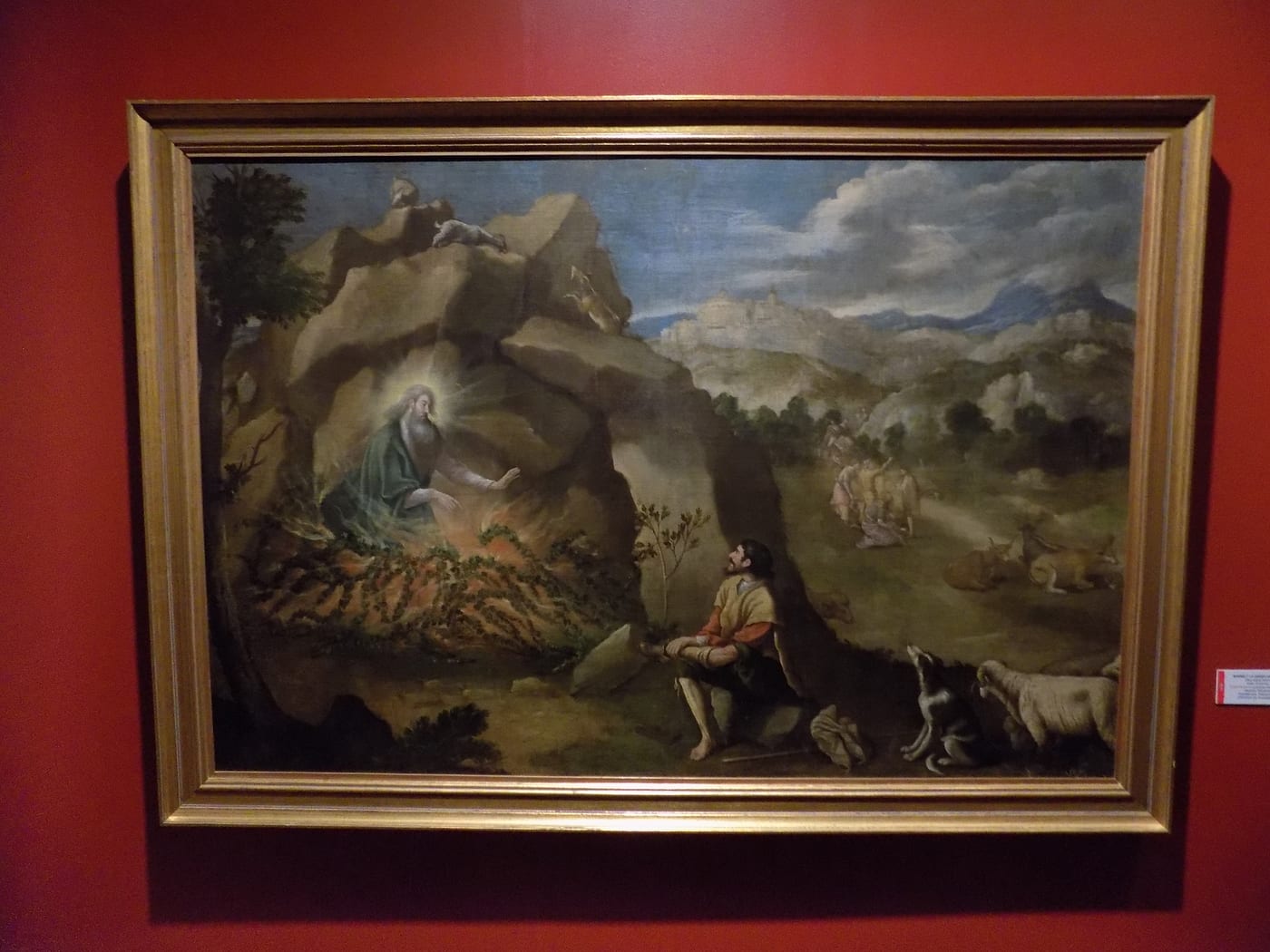 moses-burning-bush.jpg | Moses and the Burning Bush (Museo de Guadalajara) Photo: Tiberioclaudio99 Photographed for Wikimedia Commons Source ↗ | CC BY-SA 4.0 | Origin section figure | The call at the burning bush, where the reluctant Moses is sent to free his people. |
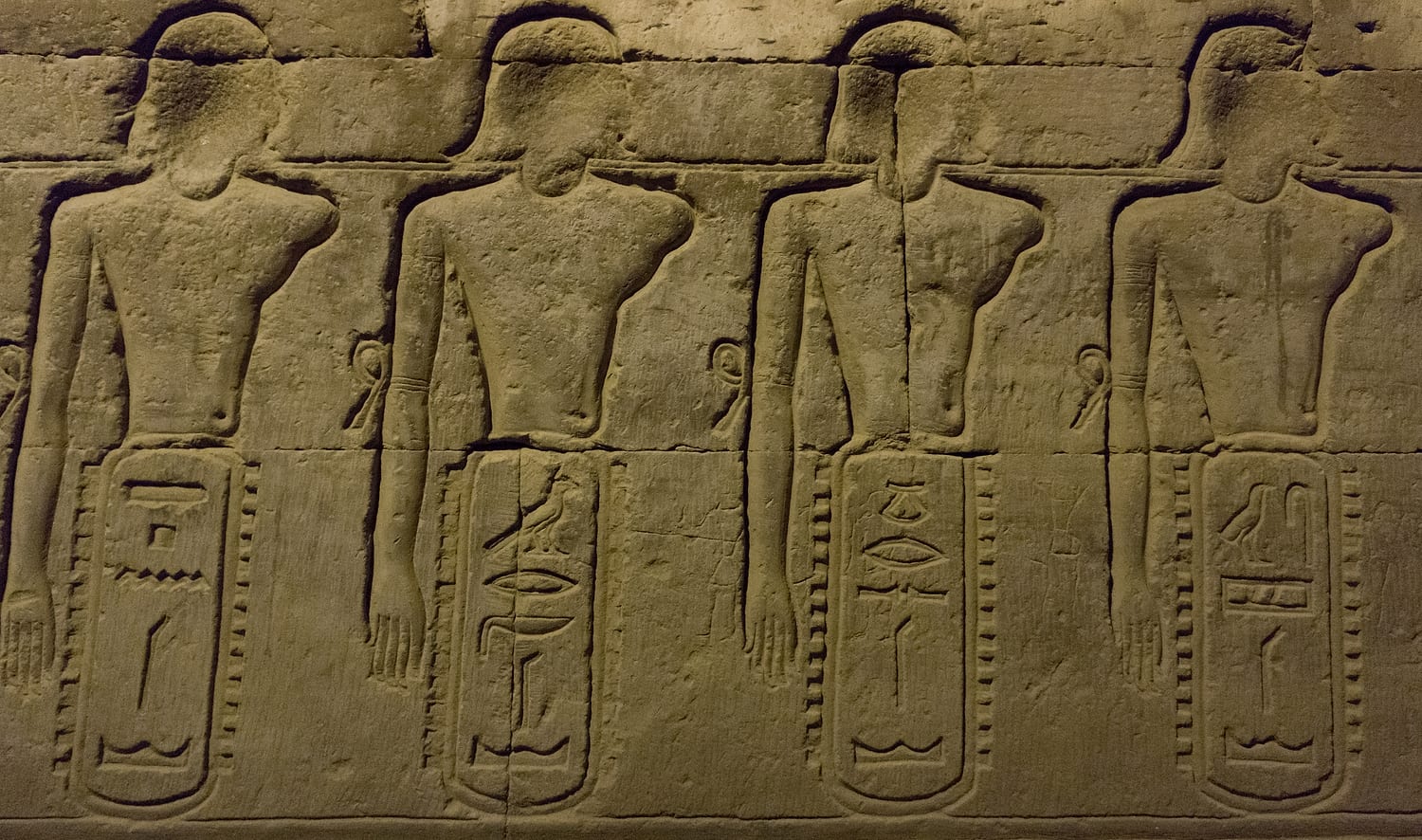 hieroglyphs.jpg | Relief at the Temple of Kom Ombo, Egypt Photo: Fanny Schertzer Temple Ptolemaic era (photographed 2014) Source ↗ | CC BY-SA 4.0 | At-a-Glance backdrop | Carved Egyptian relief: the monumental world of writing and empire behind the Exodus. |
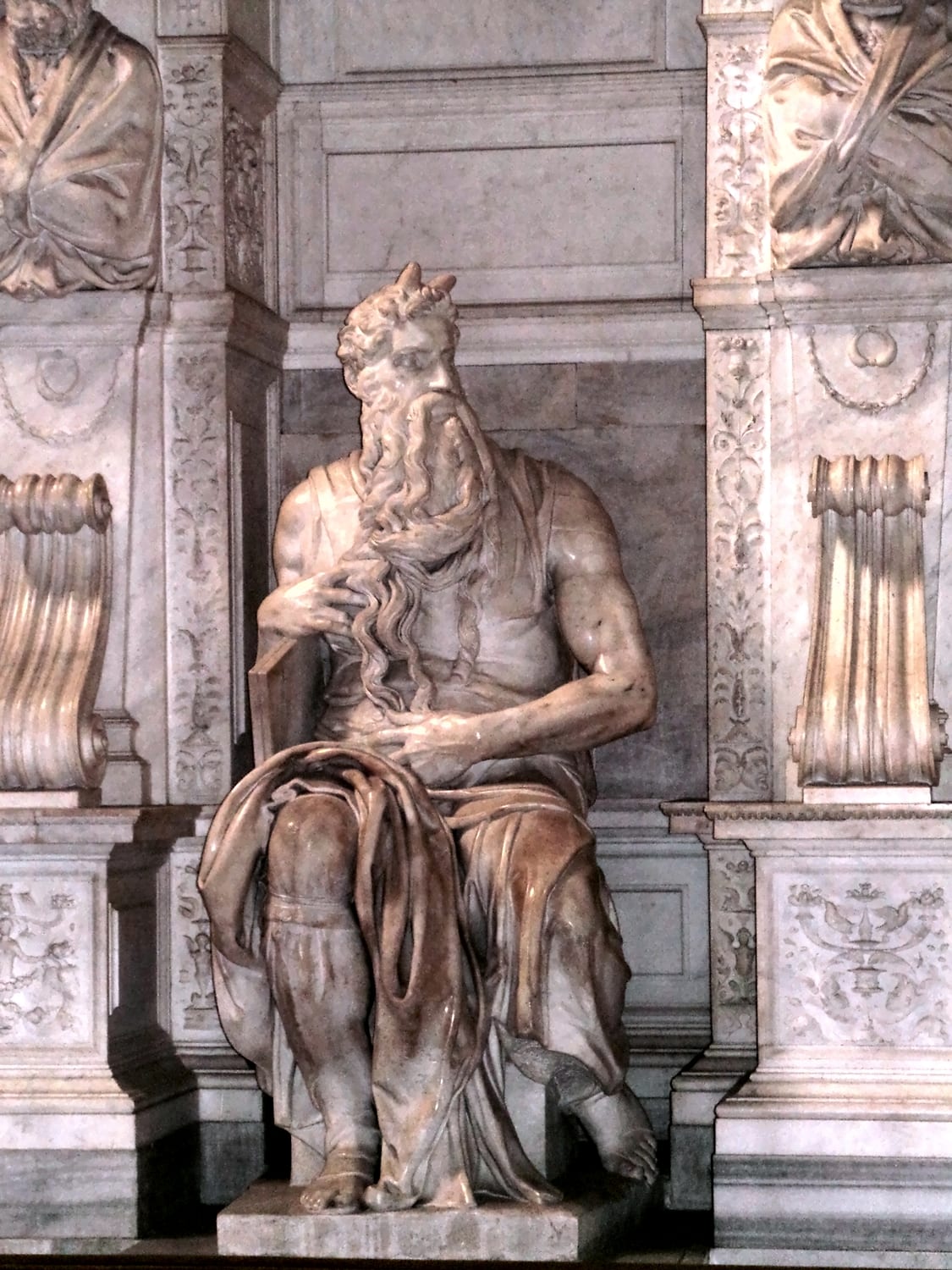 michelangelo-moses.jpg | Moses (San Pietro in Vincoli, Rome) Michelangelo (Photo: Rabax63) Sculpture c. 1513-1515 (photographed 2014) Source ↗ | CC BY-SA 4.0 | Question I medallion (History or Legend?) | Michelangelo’s towering Moses: the legend, against which the history is measured. |
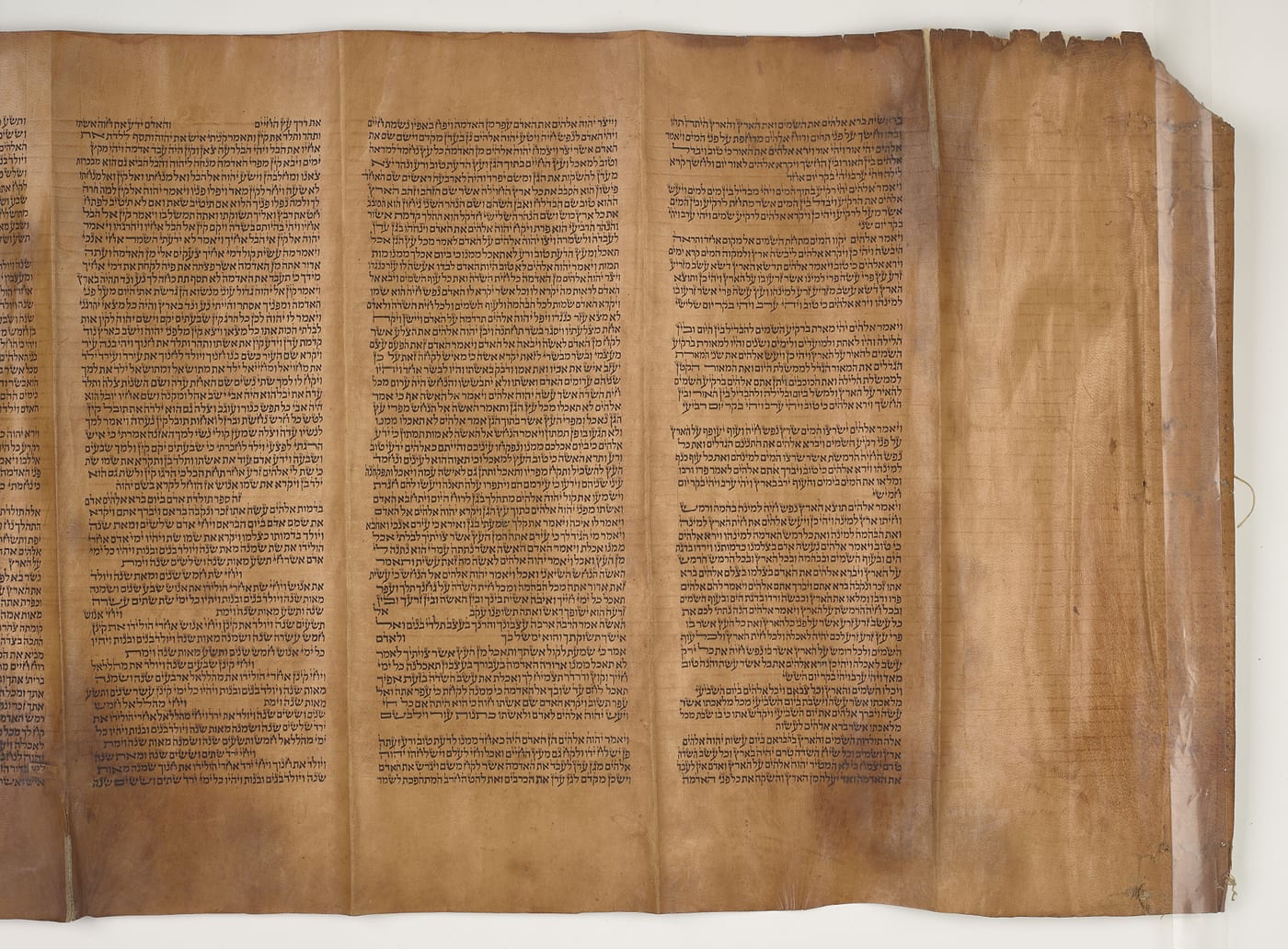 torah-scroll.jpg | A Sefer Torah (Chester Beatty Library) Unknown 18th century Source ↗ | Public domain | Question II medallion (The Sources Behind the Torah) | A Torah scroll, the five books traditionally, but not actually, credited to Moses. |
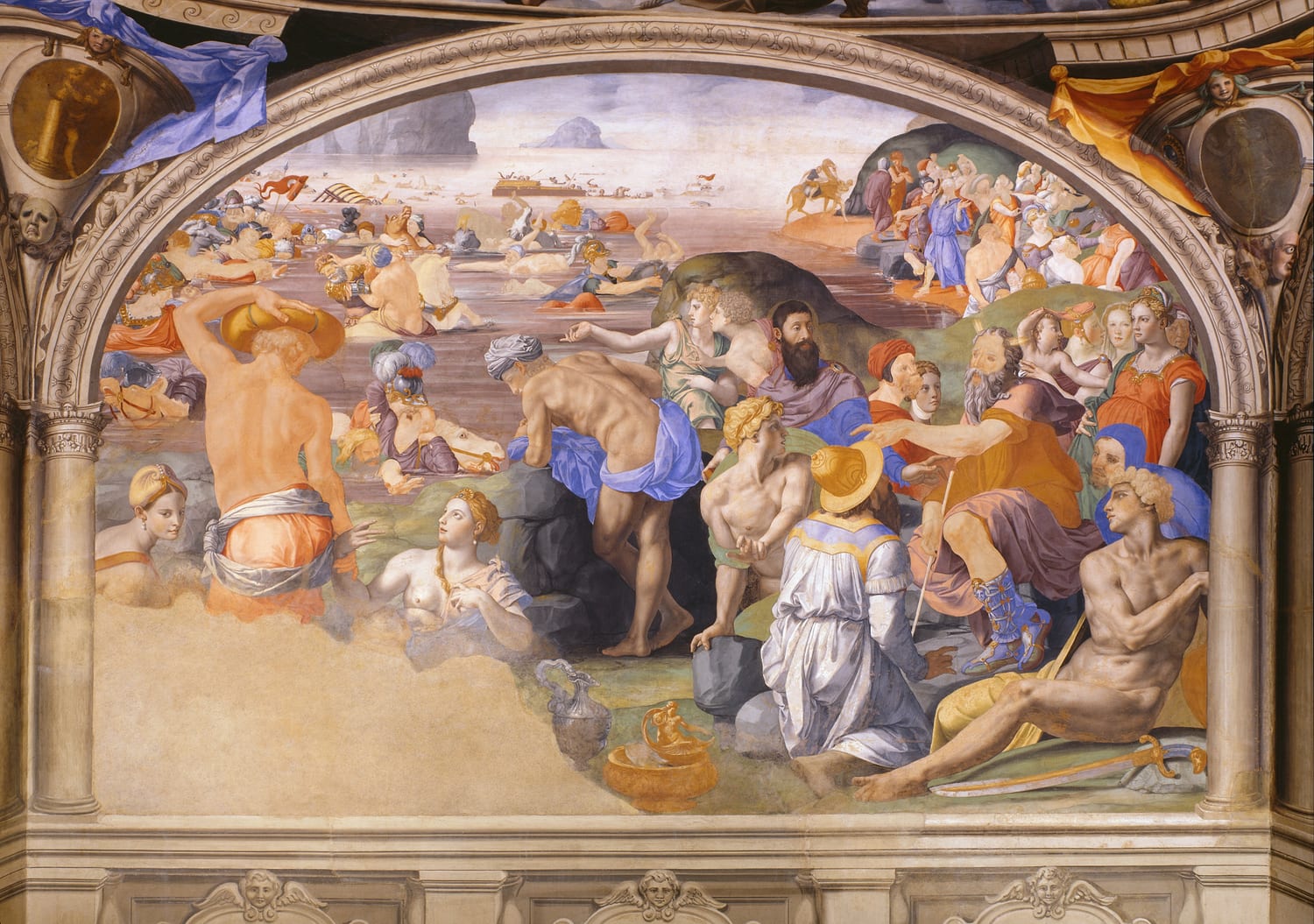 red-sea.jpg | The Crossing of the Red Sea Bronzino c. 1542 Source ↗ | Public domain | Question III medallion (The Exodus and the Evidence) | Bronzino’s parted sea: the miracle at the center of the Exodus question. |
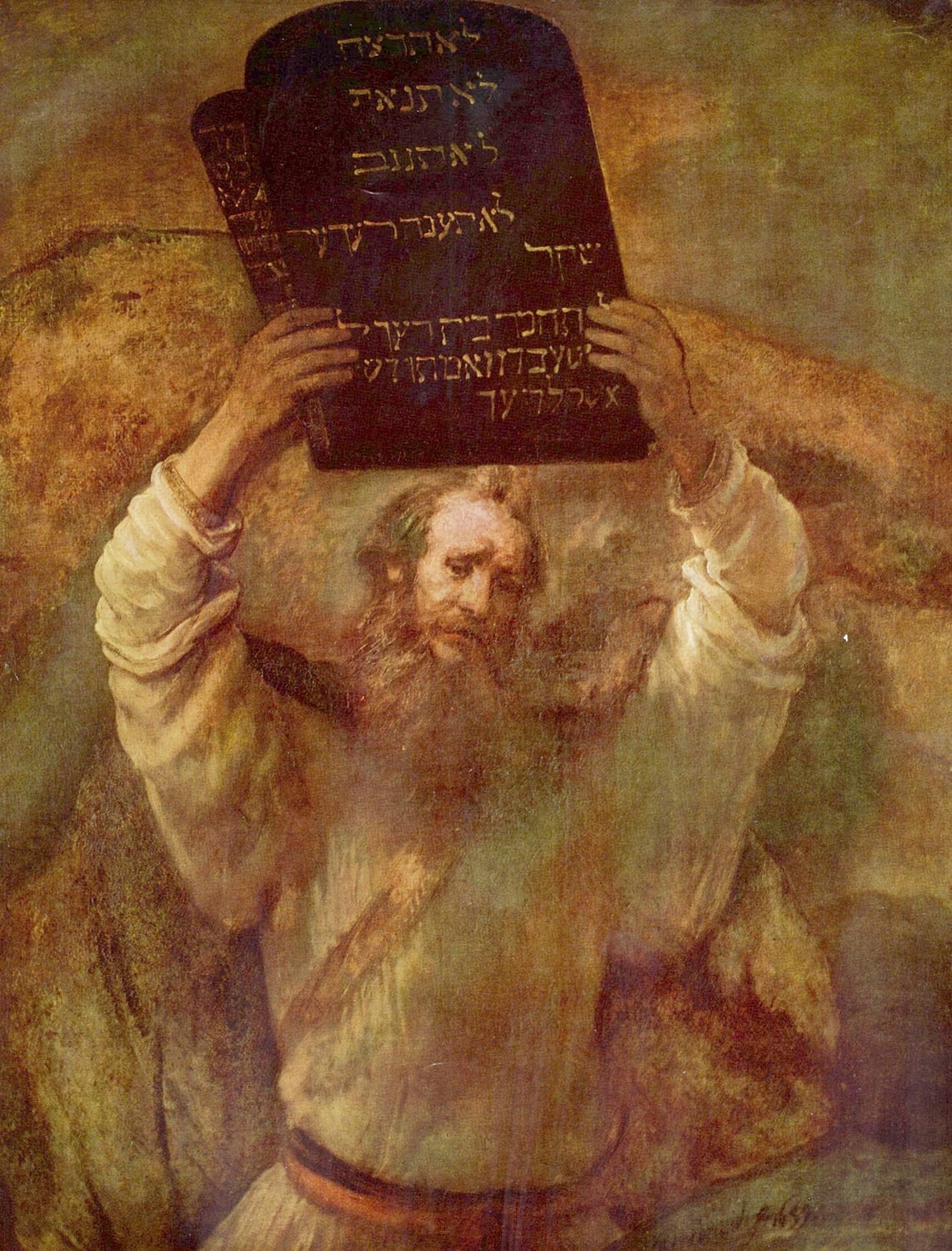 moses-law.jpg | Moses with the Tablets of the Law Rembrandt van Rijn 1659 Source ↗ | Public domain | Question IV medallion (The Law and the Ten Commandments) | Rembrandt’s Moses raising the tablets: the law that made him the lawgiver. |
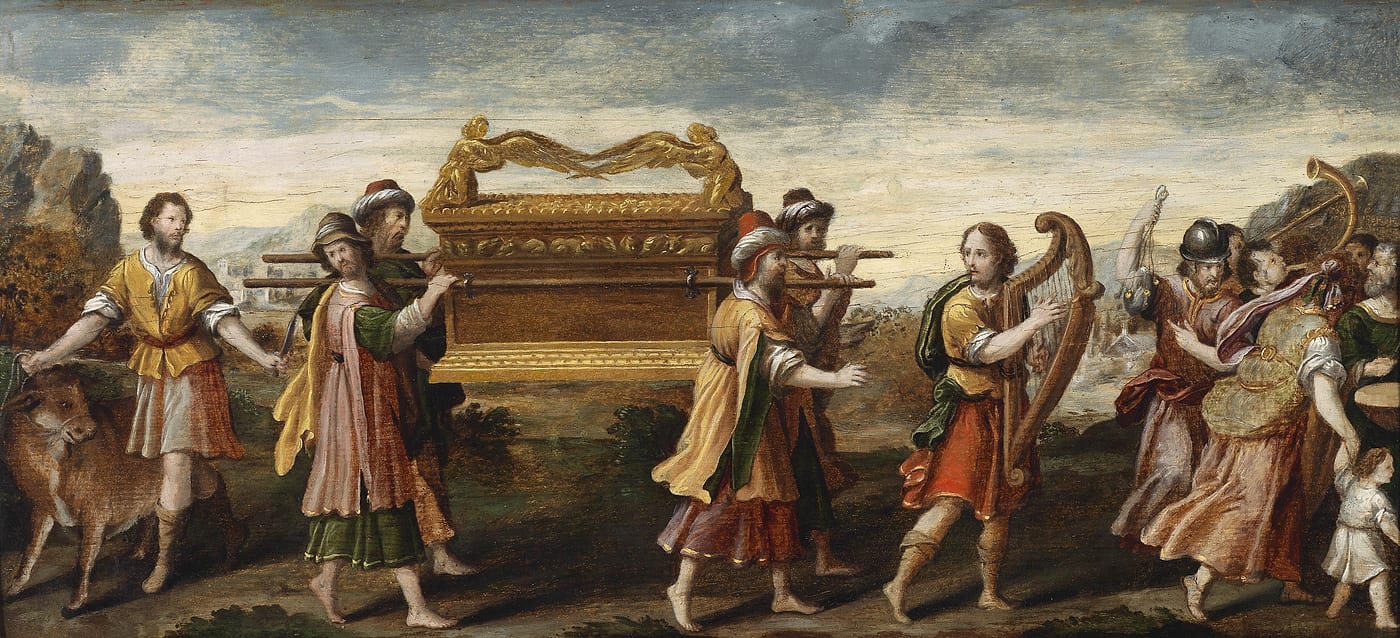 tabernacle.jpg | The Transfer of the Ark of the Covenant Unknown (Umbrian school) 16th century Source ↗ | Public domain | Question V medallion (Was Israel’s Religion Legalistic?) | The Ark carried in procession: the worship of ancient Israel, beyond the caricature of cold legalism. |
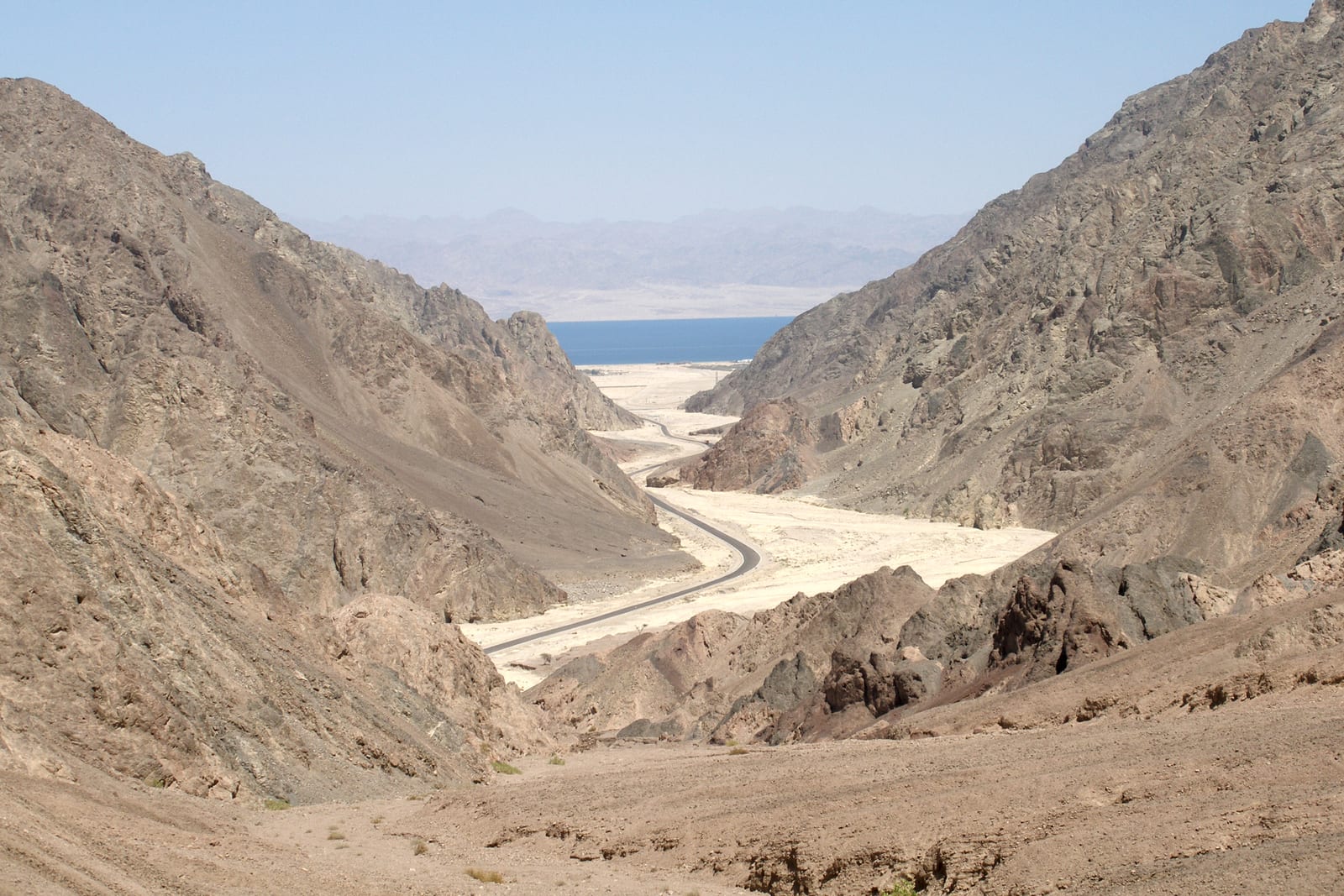 sinai-desert.jpg | Sinai desert canyon Photo: Vyacheslav Argenberg Photographed 2007 Source ↗ | CC BY 4.0 | Instructor backdrop | The Sinai wilderness, the empty land the Exodus is said to have crossed. |
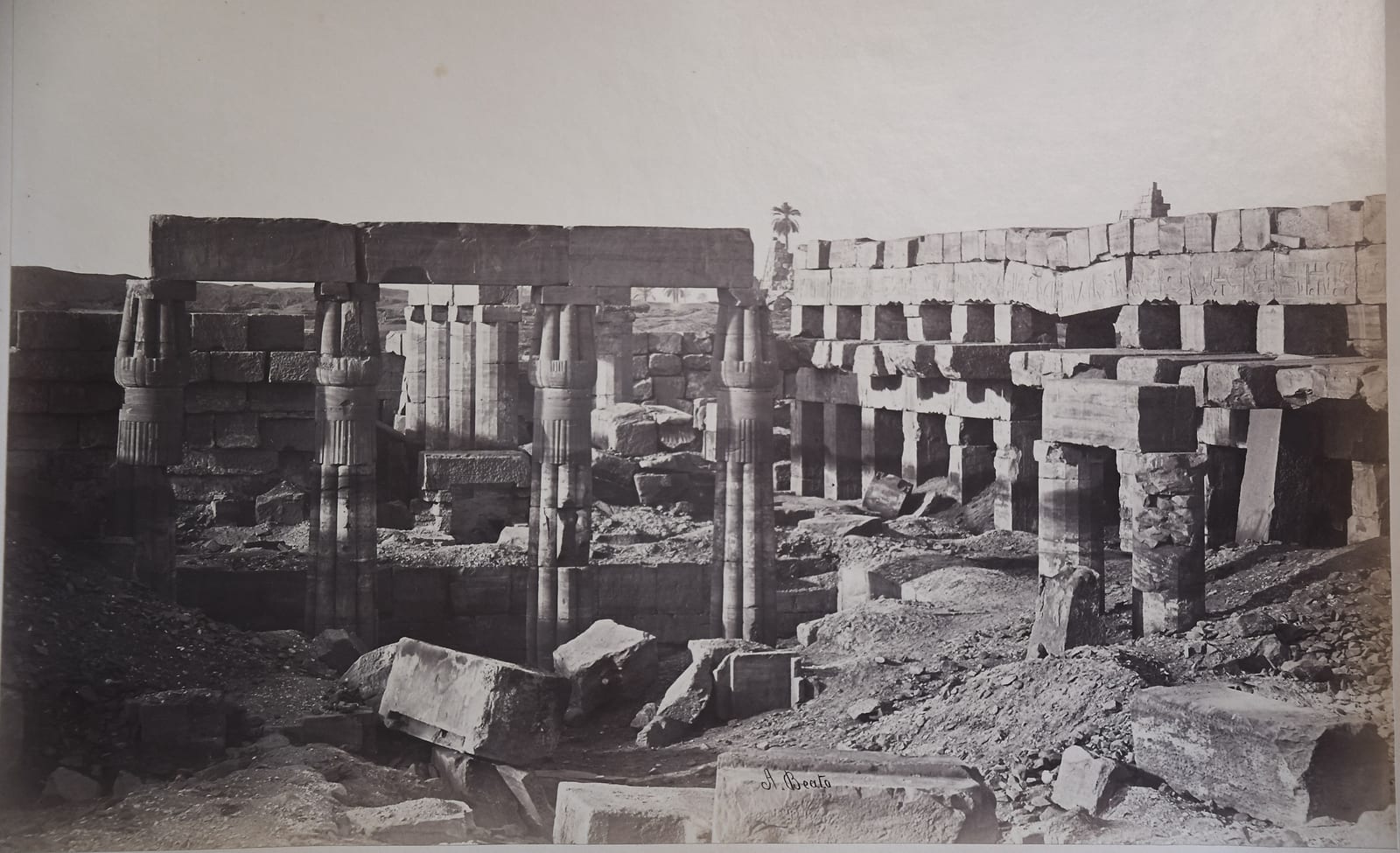 egypt.jpg | The Temple of Amun at Karnak Photo: Antonio Beato c. 19th century Source ↗ | CC0 | Stats backdrop | The columns of Karnak: the grandeur of the Egypt the Israelites are said to have left. |
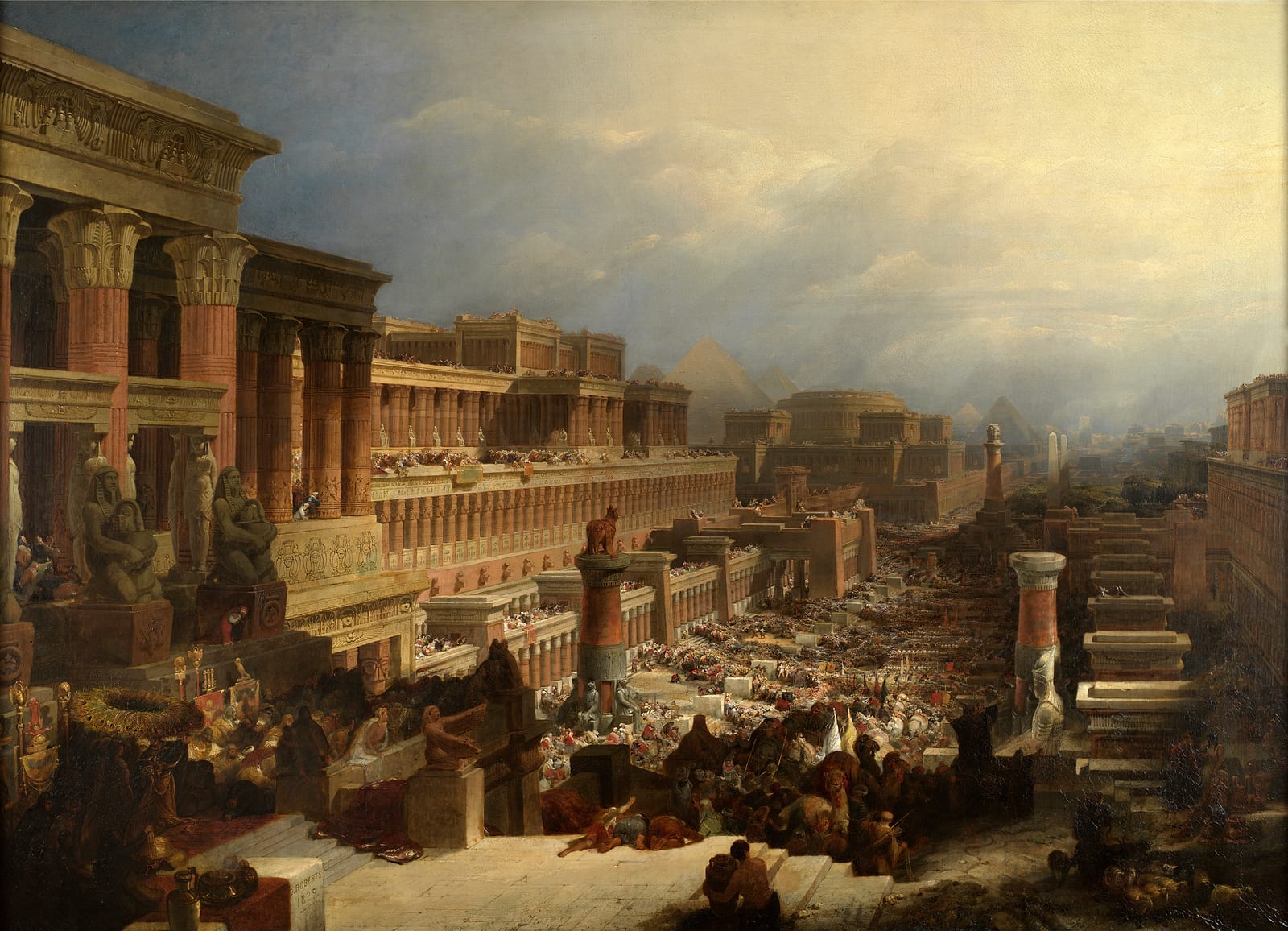 exodus.jpg | The Israelites Leaving Egypt David Roberts 1829 Source ↗ | Public domain | Highlights backdrop | David Roberts’ vast procession out of Egypt: the Exodus as the tradition imagined it. |
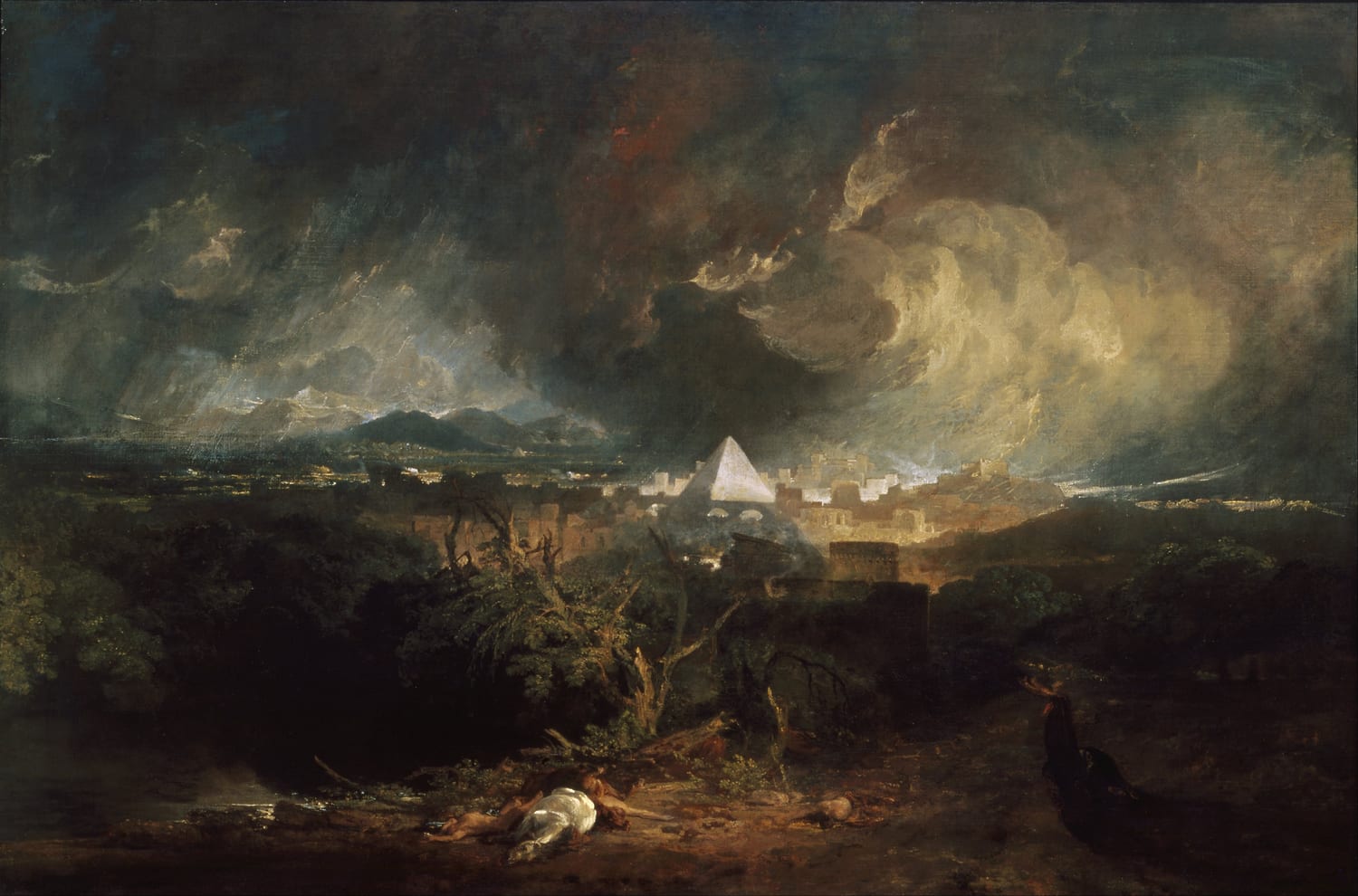 plagues.jpg | The Fifth Plague of Egypt J. M. W. Turner 1800 Source ↗ | Public domain | Highlights image card | Turner’s storm over Egypt: the plagues that set the Exodus in motion. |
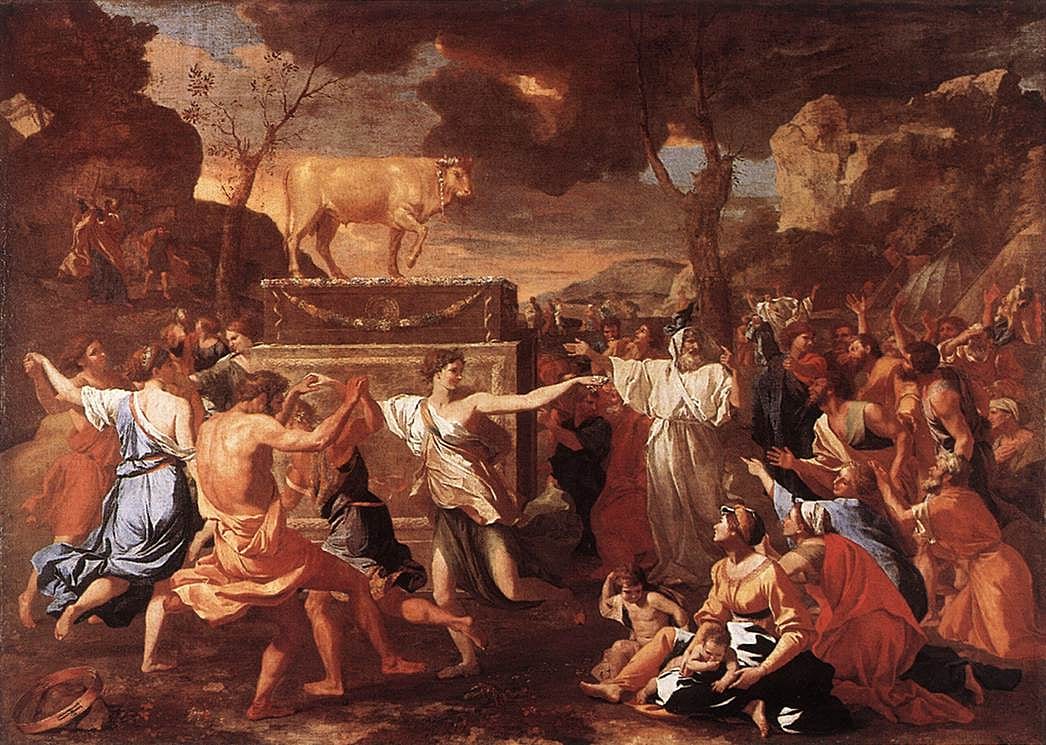 golden-calf.jpg | The Adoration of the Golden Calf Nicolas Poussin c. 1634 Source ↗ | Public domain | Highlights image card | Poussin’s golden calf: the people’s rebellion while Moses is on the mountain. |
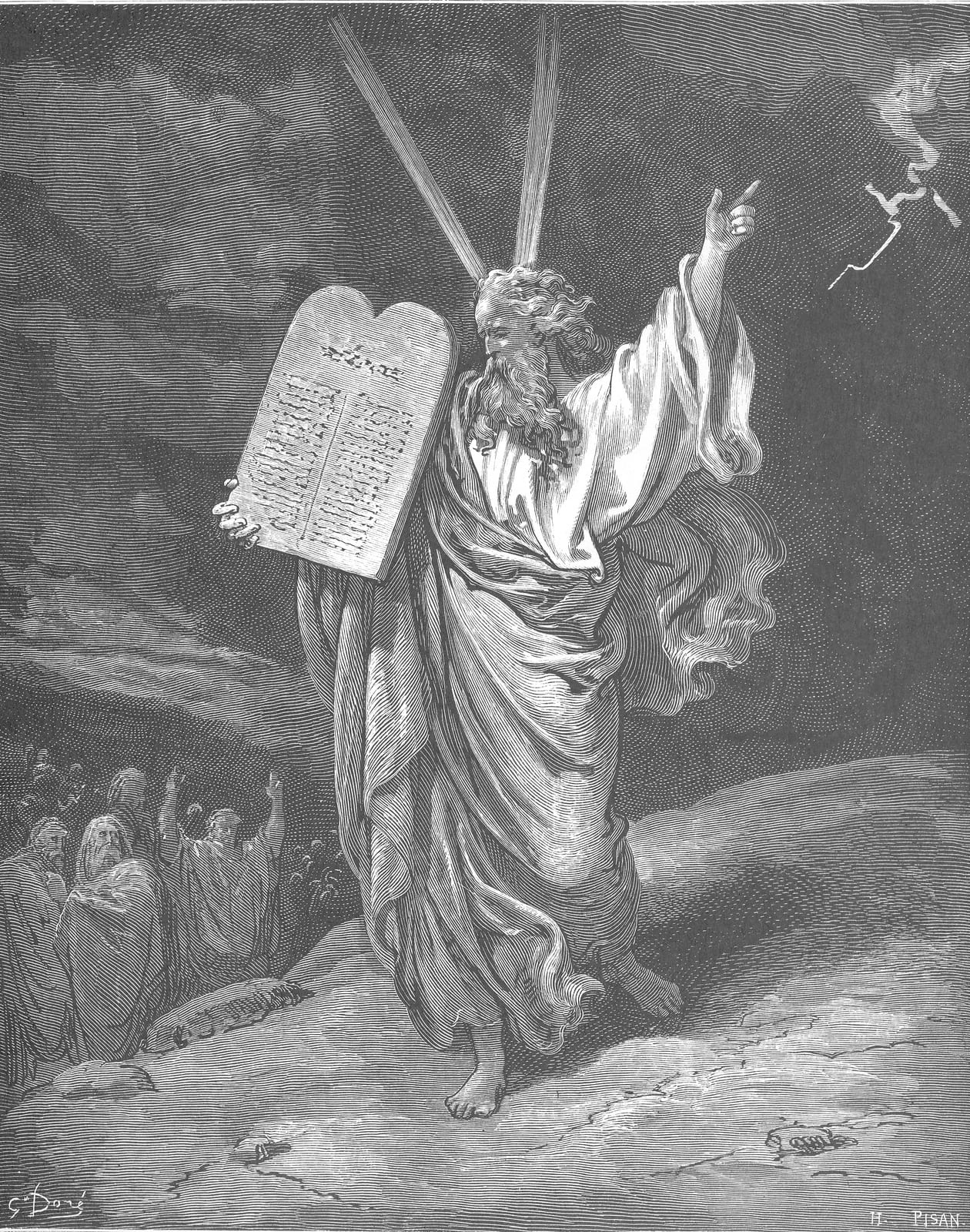 moses-dore.jpg | Moses Coming Down from Mount Sinai Gustave Doré 1866 Source ↗ | Public domain | “Prepare to Rethink” backdrop | Doré’s Moses descending with the law: the image the course sets out to examine. |
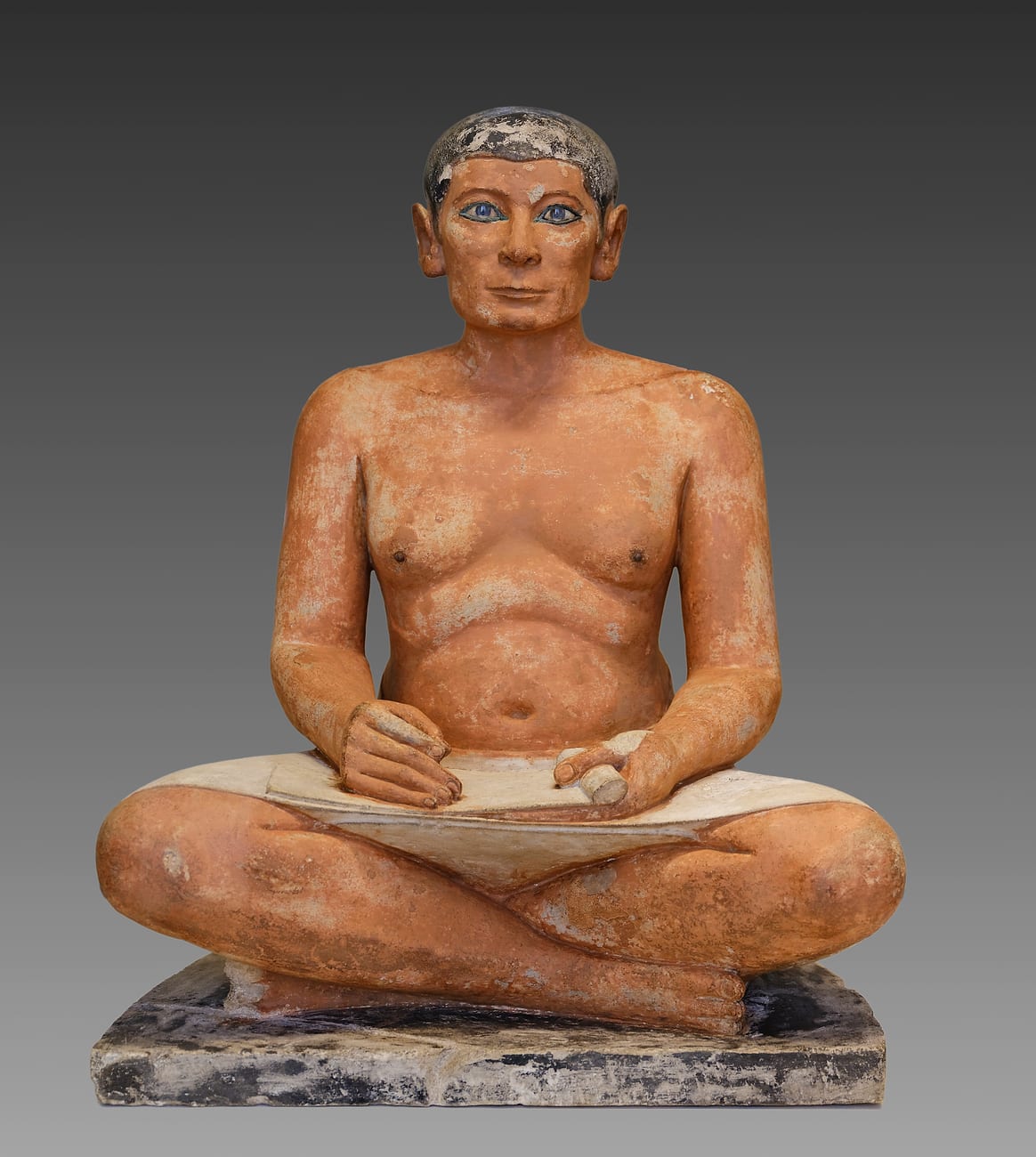 egyptian-scribe.jpg | The Seated Scribe (Louvre) Unknown (Egyptian sculptors); Photo: Shonagon Statue c. 2500 BCE Source ↗ | CC0 | Bonuses backdrop | The Louvre’s Seated Scribe: the ancient world of writing behind the question of who wrote the Torah. |
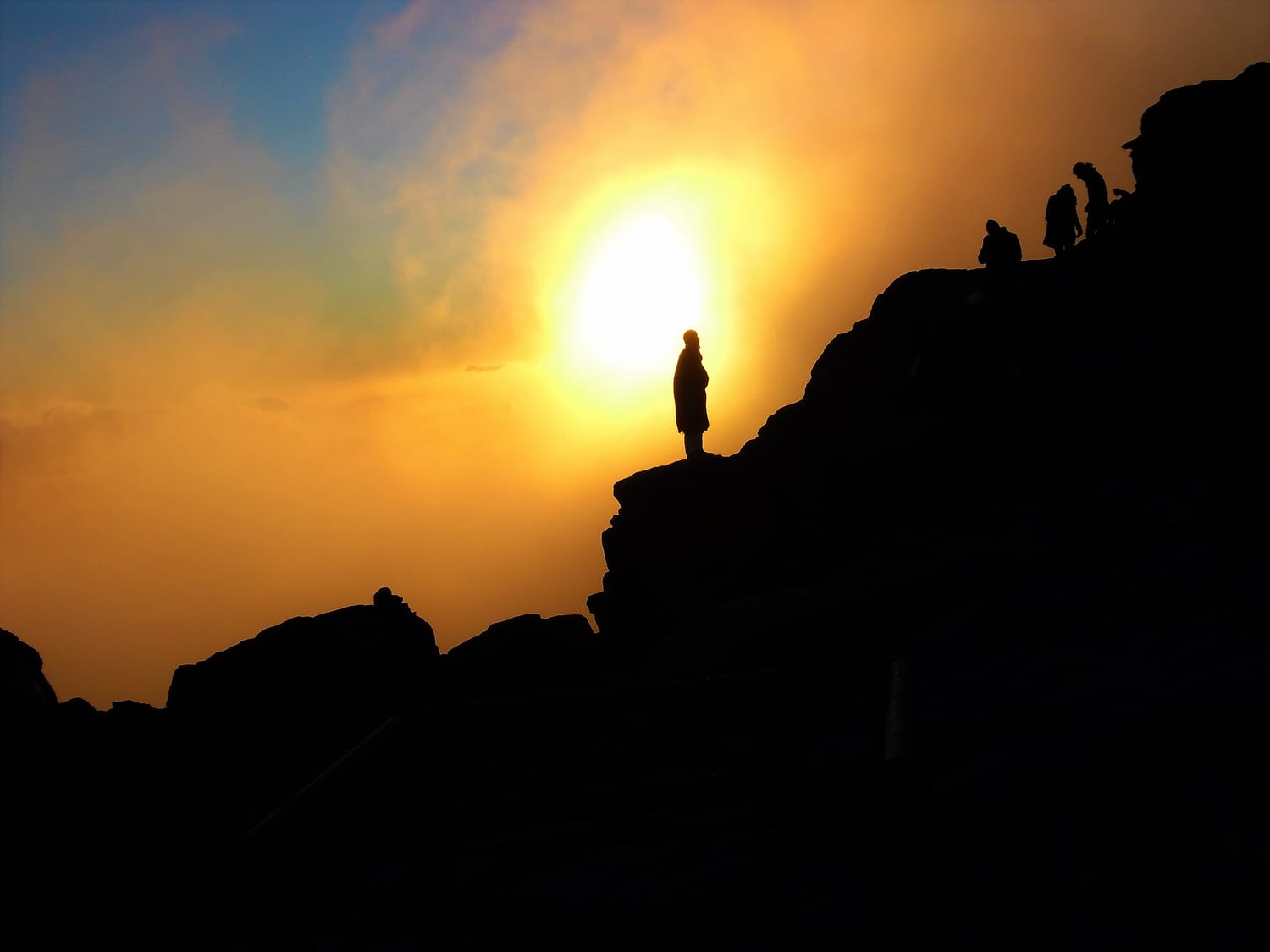 mount-sinai.jpg | Sunrise from the summit of Mount Sinai Photo: Sara Nabih Photographed 2016 Source ↗ | CC BY-SA 4.0 | FAQ backdrop | Dawn on Mount Sinai, the mountain where Moses is said to have met God. |
Public-domain works are reproduced freely. CC BY / CC BY-SA images are credited to their photographers as required; follow each Source link for the full license text.