
Image Credits
The Gospels Contradict Themselves. Now What?
Every image on the course page, with its source, license, and the reason it was chosen. The artwork is public-domain and CC0 material from Wikimedia Commons: a portrait or a page for each of the eight readers the course follows, and the manuscripts that carry the Gospels as they have come down to us. All images have been resized for the web.
| Image | Work & Attribution | License | Where it appears | Why it’s included |
|---|---|---|---|---|
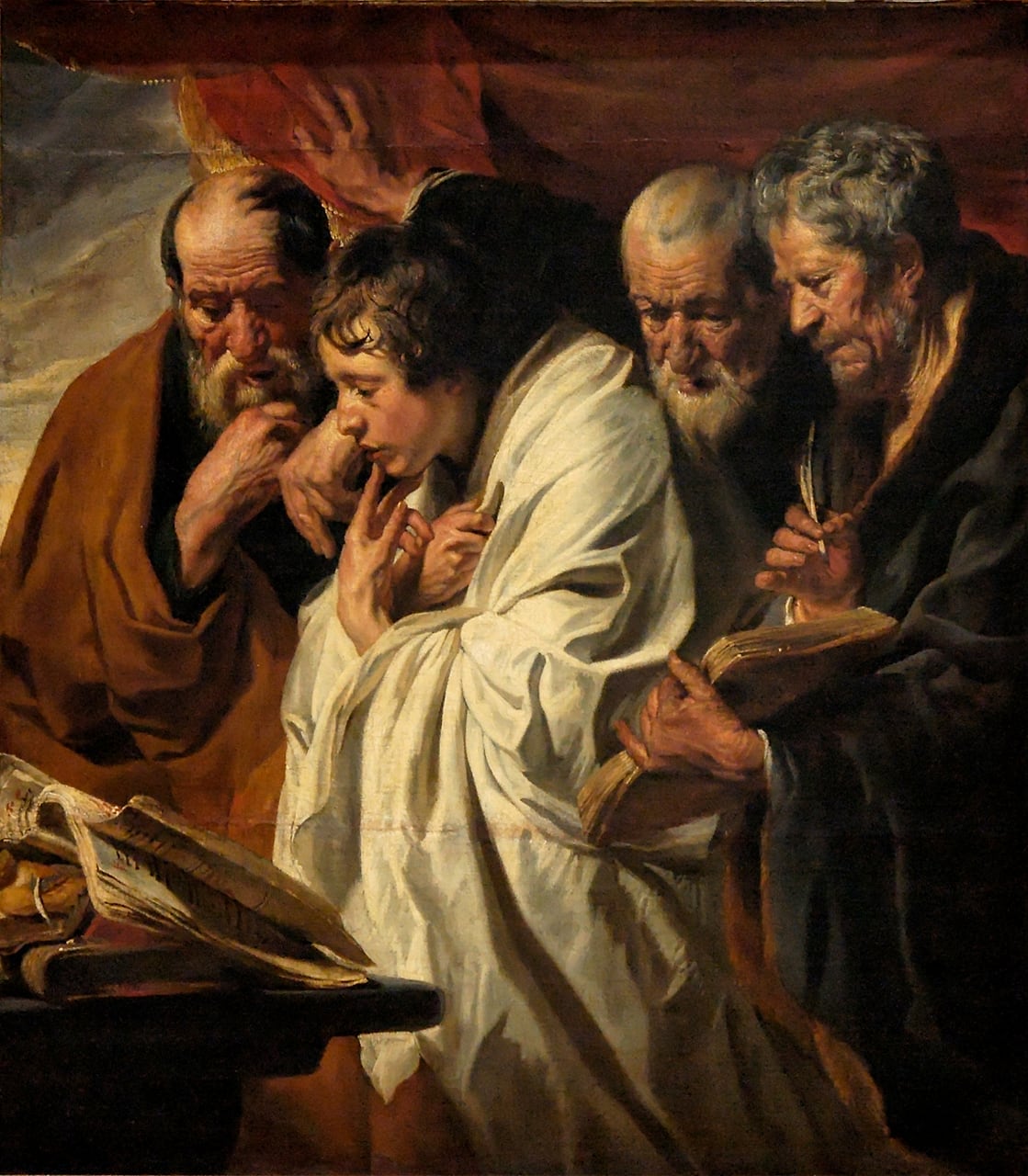 jordaens-evangelists.jpg | The Four Evangelists Jacob Jordaens c. 1625-1630 Source ↗ | Public domain | Hero background; FAQ section art | The four evangelists bent over the same open books, comparing: the scene the whole course is about, and the painting behind the course key art. |
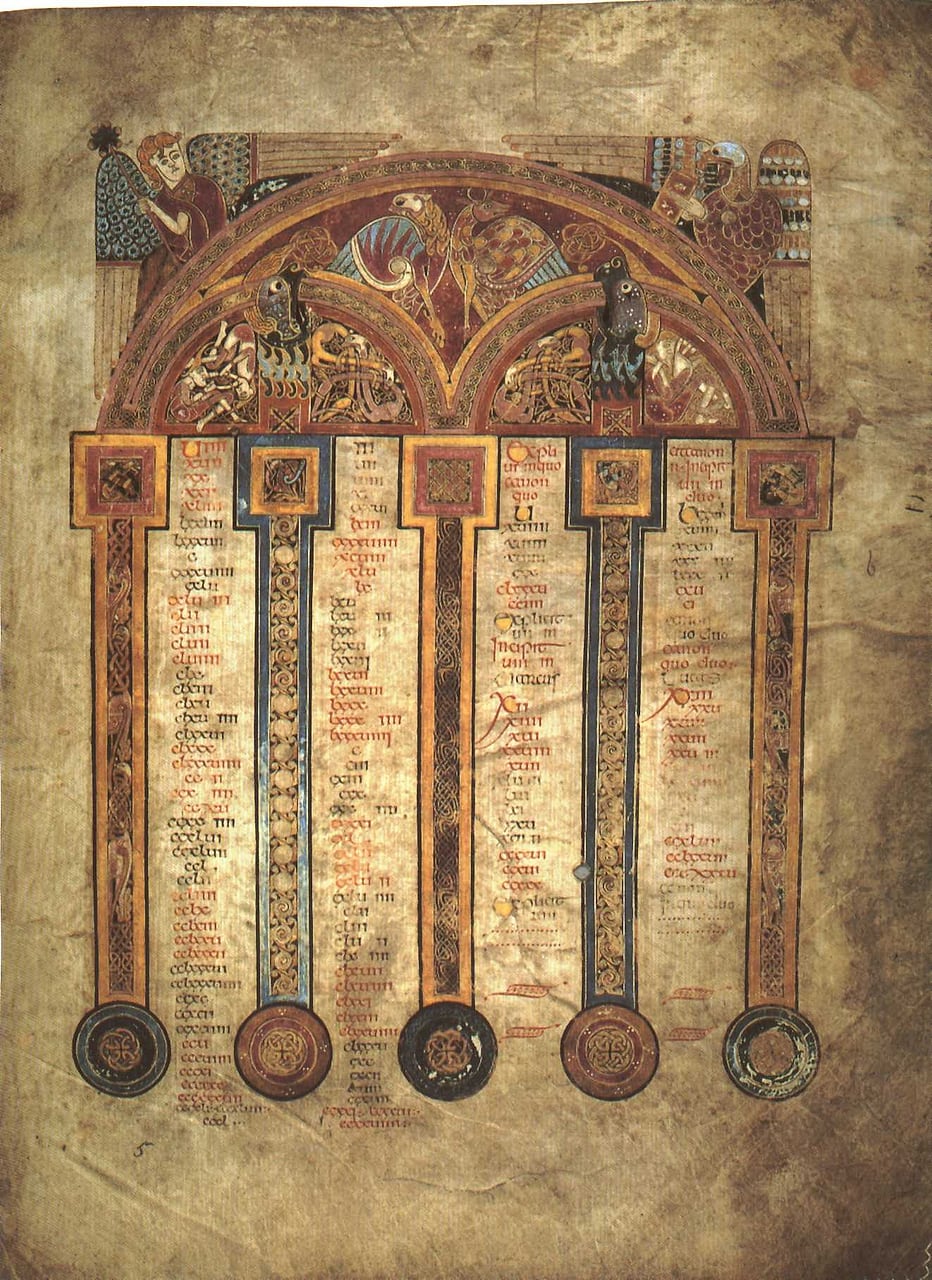 kells-canon.jpg | Canon table, folio 5r of the Book of Kells Unknown scribe (Book of Kells) c. 800 Source ↗ | Public domain | Origin section figure; hero ornament; what’s-included art | Eusebian canon tables were the church’s first tool for reading the four Gospels side by side, parallel by parallel: the contradictions, catalogued in gold. |
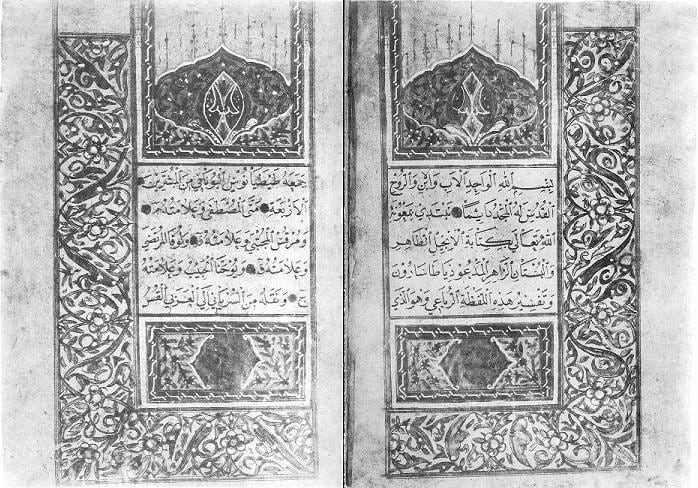 arabic-diatessaron.jpg | Opening pages of the Arabic Diatessaron (Vatican Borg. arab. 250) Unknown scribe; photographed for Agostino Ciasca’s 1888 edition 14th century Source ↗ | Public domain | Lecture 1 medallion (Tatian) | The medieval Arabic translation is the closest surviving witness to Tatian’s lost harmony, and the text the lecture reads through his eyes. |
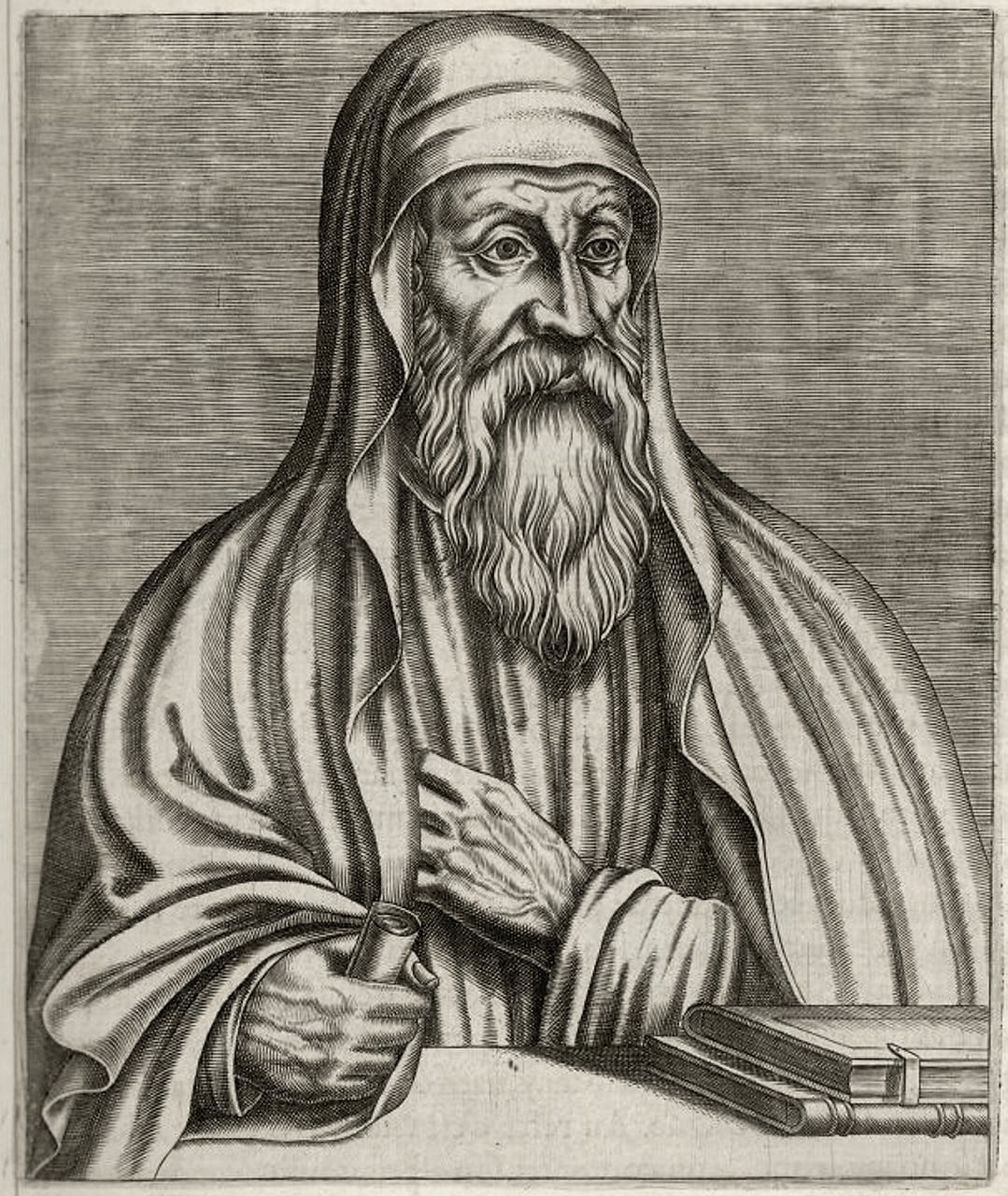 origen.jpg | Origen, from Les vrais pourtraits et vies des hommes illustres Guillaume Chaudière (publisher), after André Thevet 1584 Source ↗ | Public domain | Lecture 2 medallion (Origen) | The standard early-modern portrait of the commentator who let the contradictions stand. |
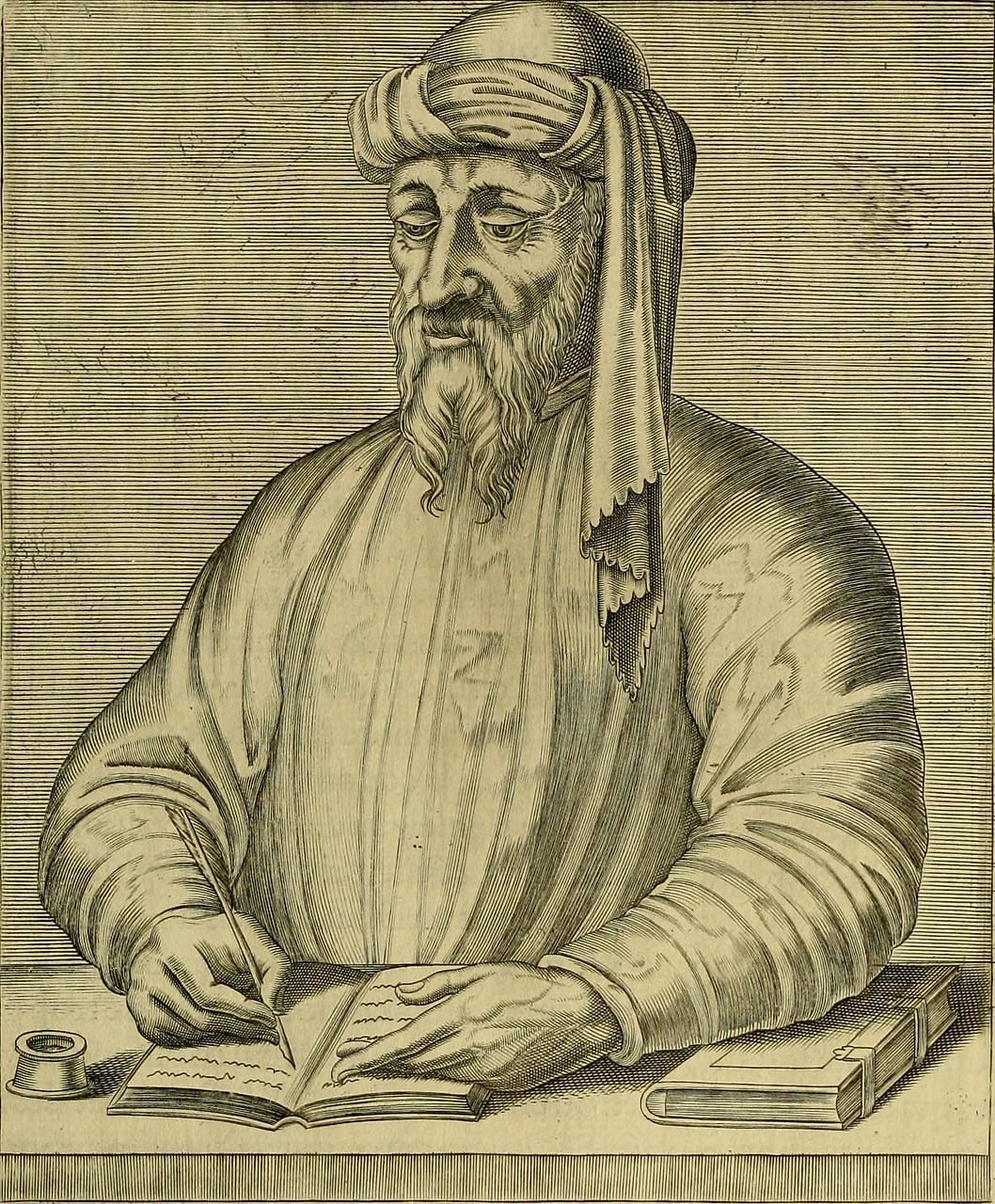 porphyry.jpg | Porphyry of Tyre, from Les vrais pourtraits et vies des hommes illustres Unknown engraver, for André Thevet 1584 Source ↗ | Public domain | Lecture 3 medallion (Porphyry); hero ornament | The philosopher whose censored attack on the Gospels the lecture reconstructs, from the same 1584 portrait book as Origen. |
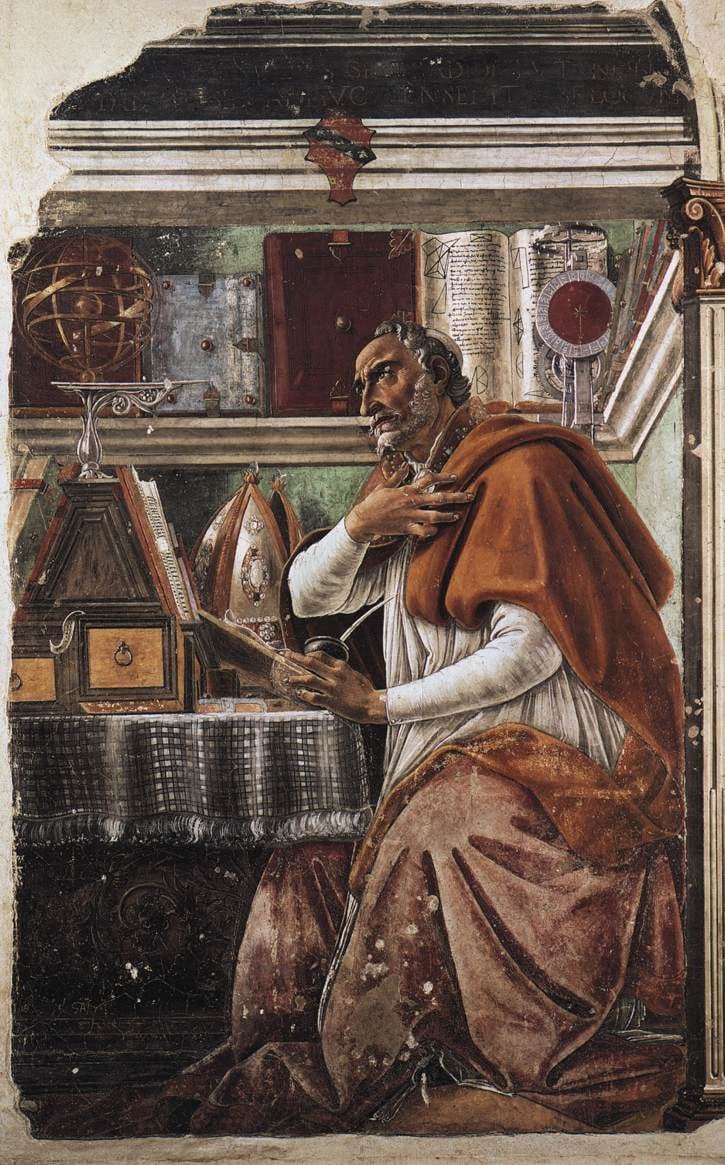 botticelli-augustine.jpg | Saint Augustine in His Study Sandro Botticelli 1480 Source ↗ | Public domain | Lecture 4 medallion (Augustine); hero ornament | Augustine at his desk, where he worked through every difference between the Gospels to argue they never contradict. |
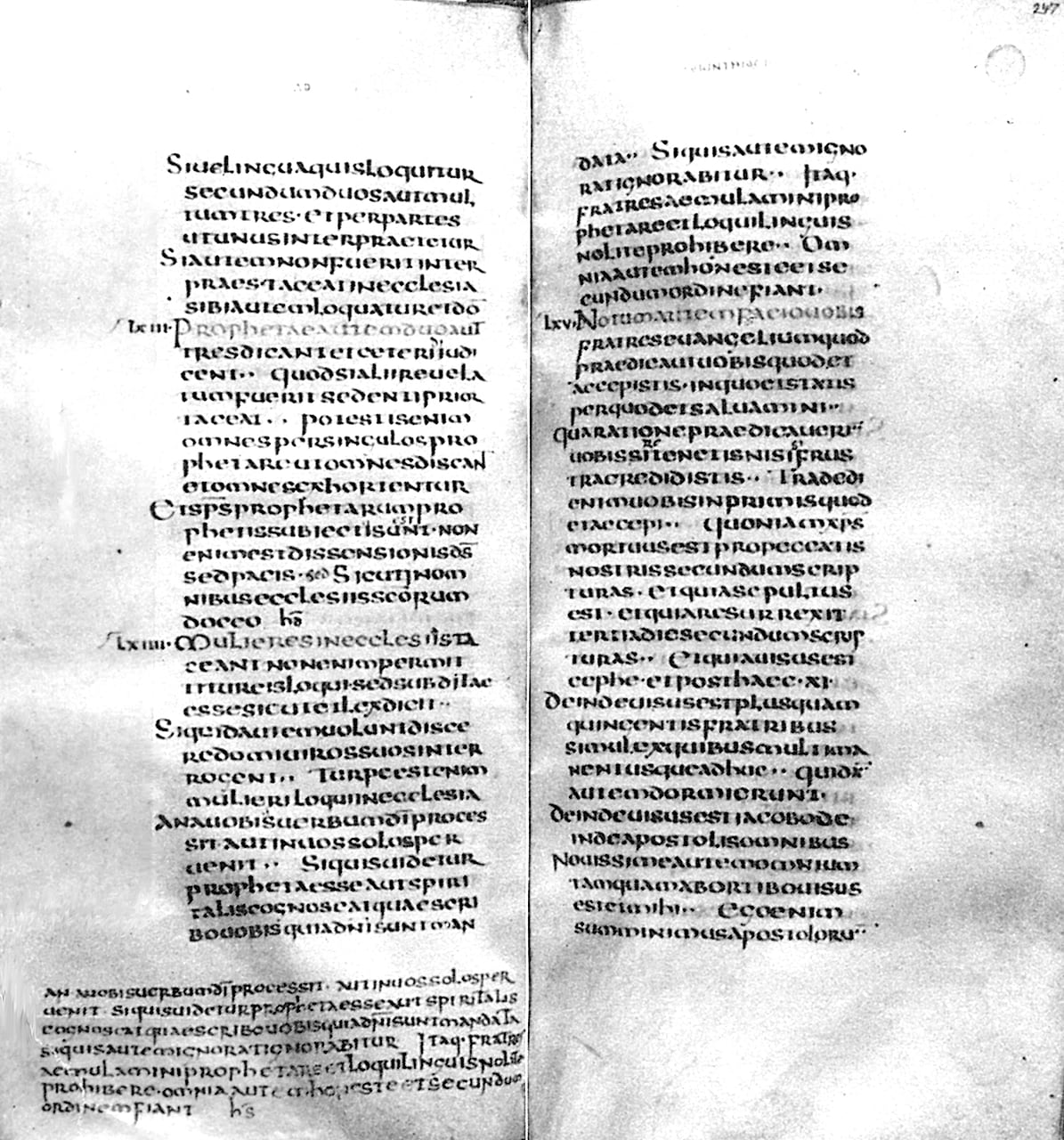 codex-fuldensis.jpg | Codex Fuldensis, pages 296-297 Unknown scribe, commissioned by Victor of Capua 541-546 Source ↗ | Public domain | Lecture 5 medallion (medieval harmonies); Scroll panel; stats and schedule art | The Latin Gospel harmony that carried Tatian’s idea into the Middle Ages and set off a new wave of lives of Jesus. |
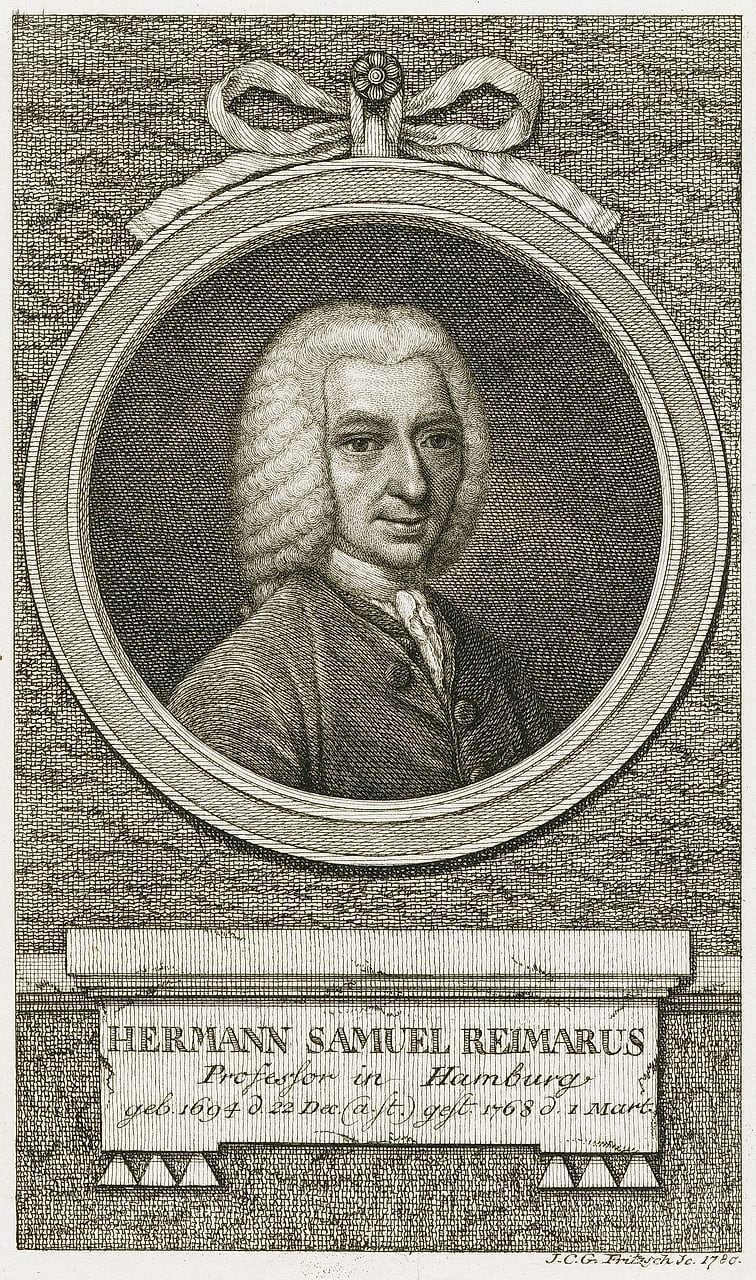 reimarus.jpg | Hermann Samuel Reimarus Johann Christian Gottfried Fritzsch 1780 Source ↗ | Public domain | Lecture 6 medallion (Deism and the Enlightenment) | The Deist whose posthumous fragments turned the Gospels’ contradictions into the Enlightenment’s case against them. |
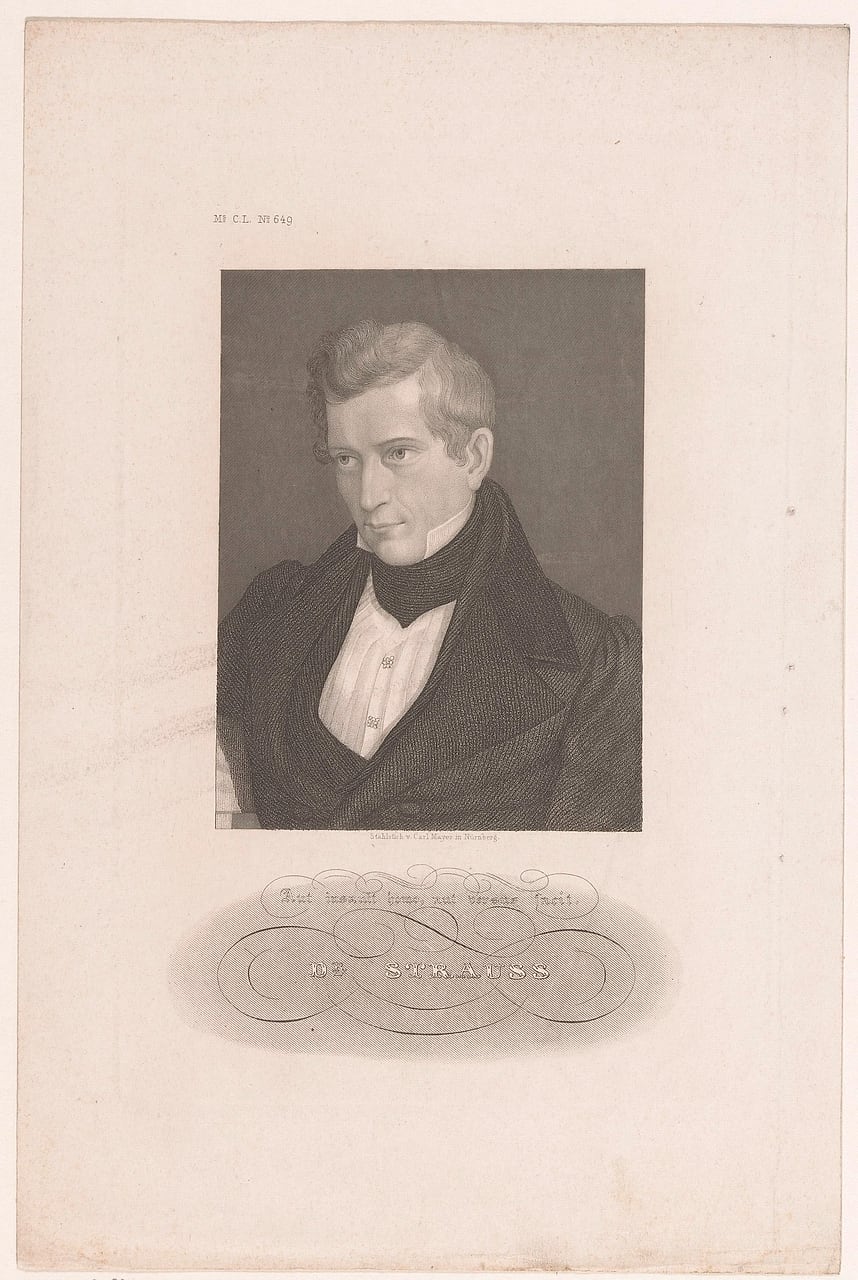 strauss.jpg | Portrait of David Friedrich Strauss Unknown printmaker (Rijksmuseum) c. 1840-1855 Source ↗ | CC0 | Lecture 7 medallion (academic biblical studies) | The Tübingen scholar whose Life of Jesus made the university reading of the Gospels as human books impossible to ignore. |
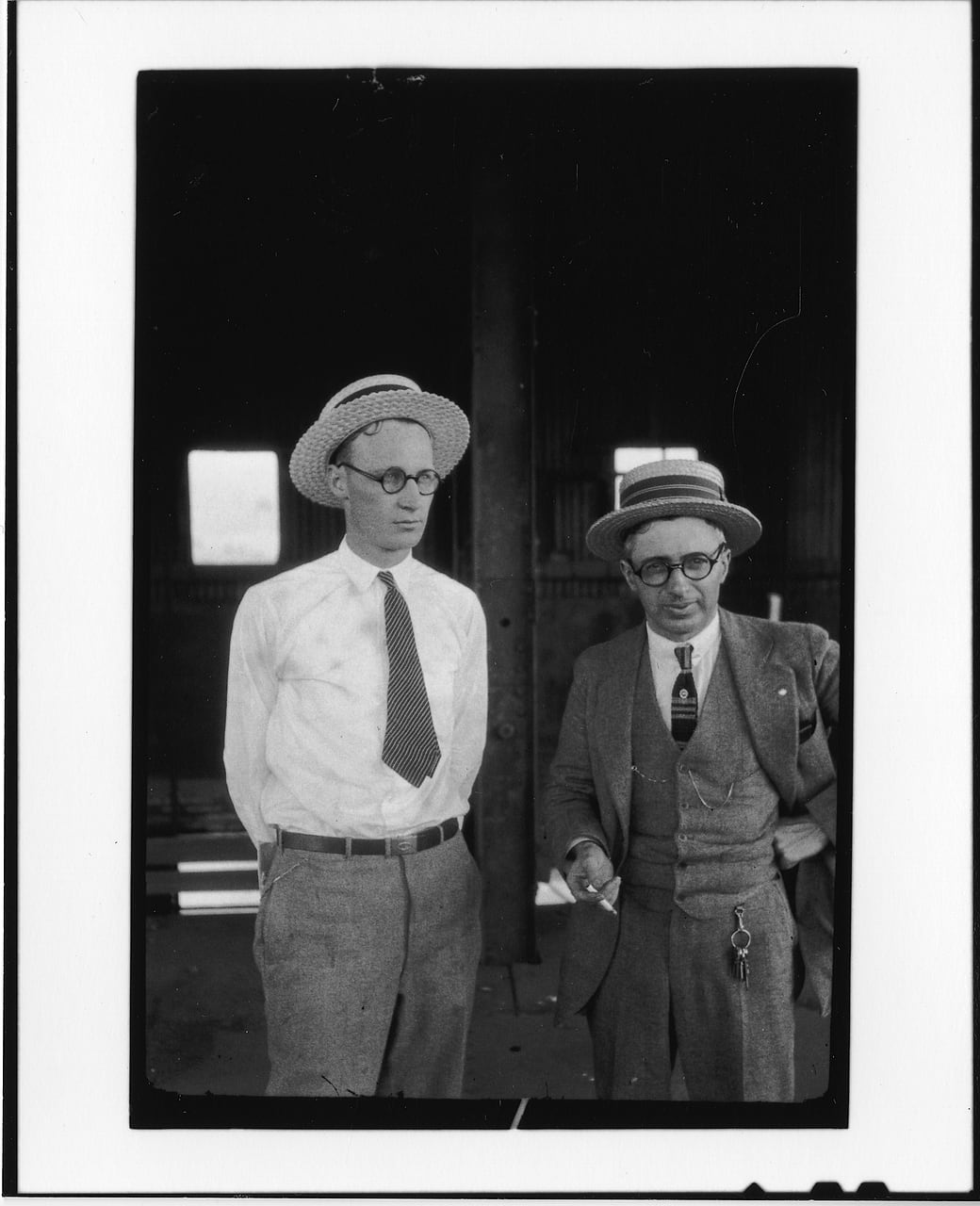 scopes-trial.jpg | John T. Scopes and George Rappleyea during the Scopes Trial, Dayton, Tennessee Photo: Smithsonian Institution Archives (Watson Davis) 1925 Source ↗ | Public domain (no known copyright restrictions) | Lecture 8 medallion (Fundamentalism) | The year the fundamentalist backlash went on trial, and the twentieth-century face of the debate the last lecture brings up to date. |
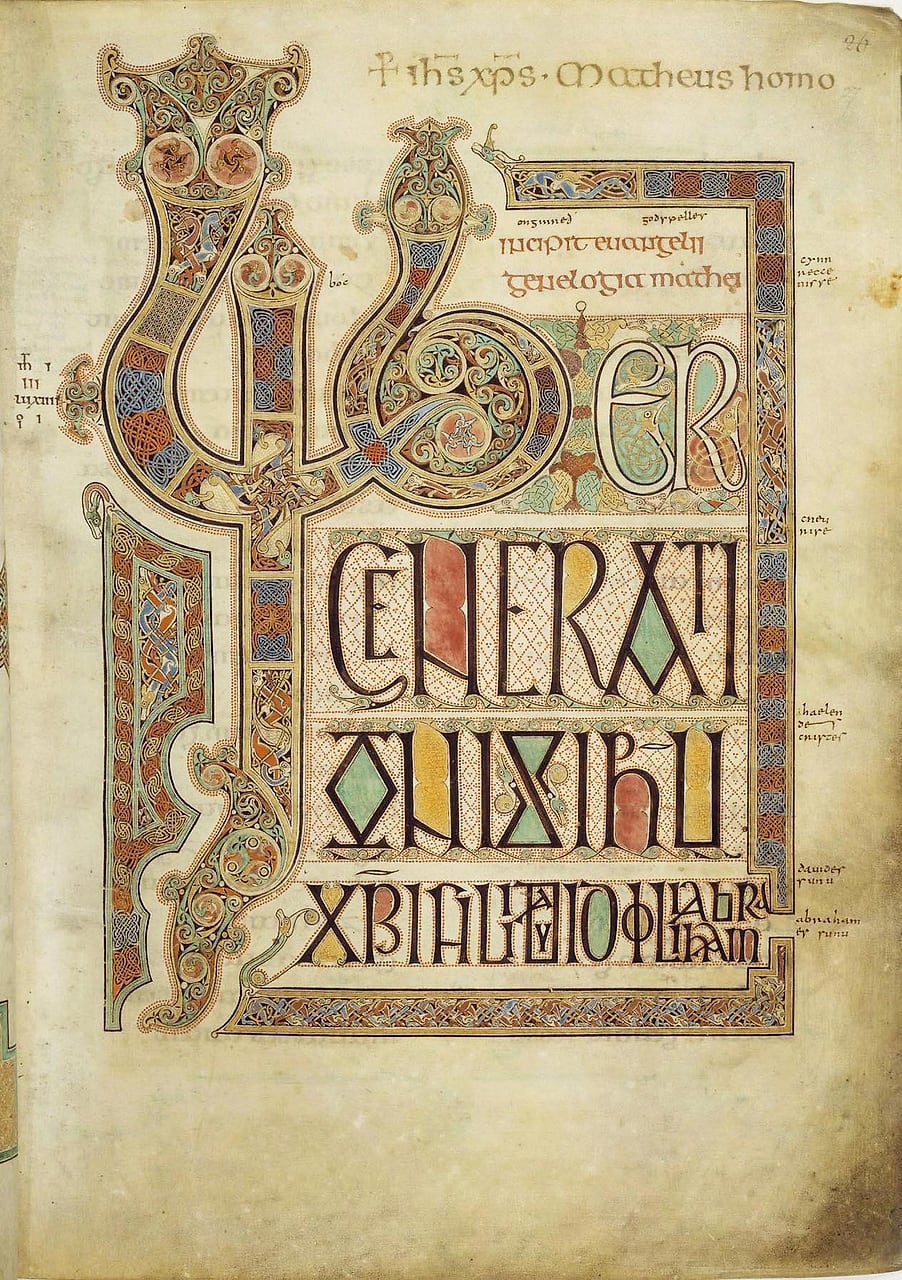 lindisfarne-matthew.jpg | Incipit to the Gospel of Matthew, folio 27r of the Lindisfarne Gospels Eadfrith of Lindisfarne (presumed) c. 715-720 Source ↗ | Public domain | At-a-glance section art; instructor backdrop | One of the great Gospel books, with each of the four kept whole and separate: the alternative to harmonizing them. |
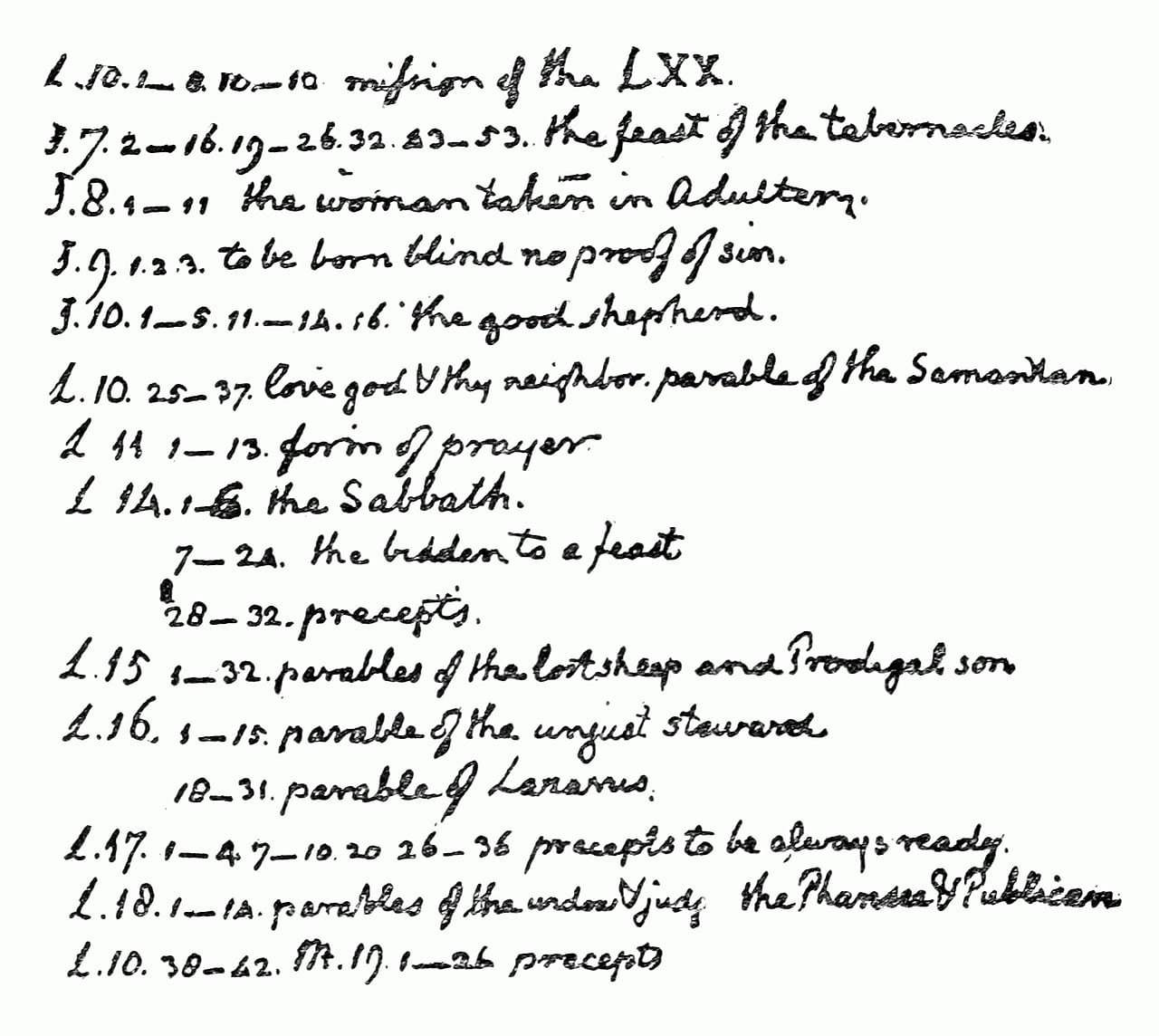 jefferson-bible.jpg | The Life and Morals of Jesus of Nazareth, facsimile page (Jefferson Bible) Thomas Jefferson (1902 facsimile) c. 1820 Source ↗ | Public domain | Assumptions section art | The Enlightenment harmony in its most literal form: Jefferson cut the verses he trusted out of four Gospels and pasted them into one. |
Public-domain works are reproduced freely. CC BY / CC BY-SA images are credited to their photographers as required; follow each Source link for the full license text.