
Image Credits
Judaism Before Jesus
Every image on the course page, with its source, license, and the reason it was chosen. The artwork is public-domain and freely-licensed material from Wikimedia Commons: pre-modern paintings and engravings, photographs of the Dead Sea Scrolls and their setting at Qumran, and museum models of Second Temple Jerusalem. Creative Commons photographs are noted below.
| Image | Work & Attribution | License | Where it appears | Why it’s included |
|---|---|---|---|---|
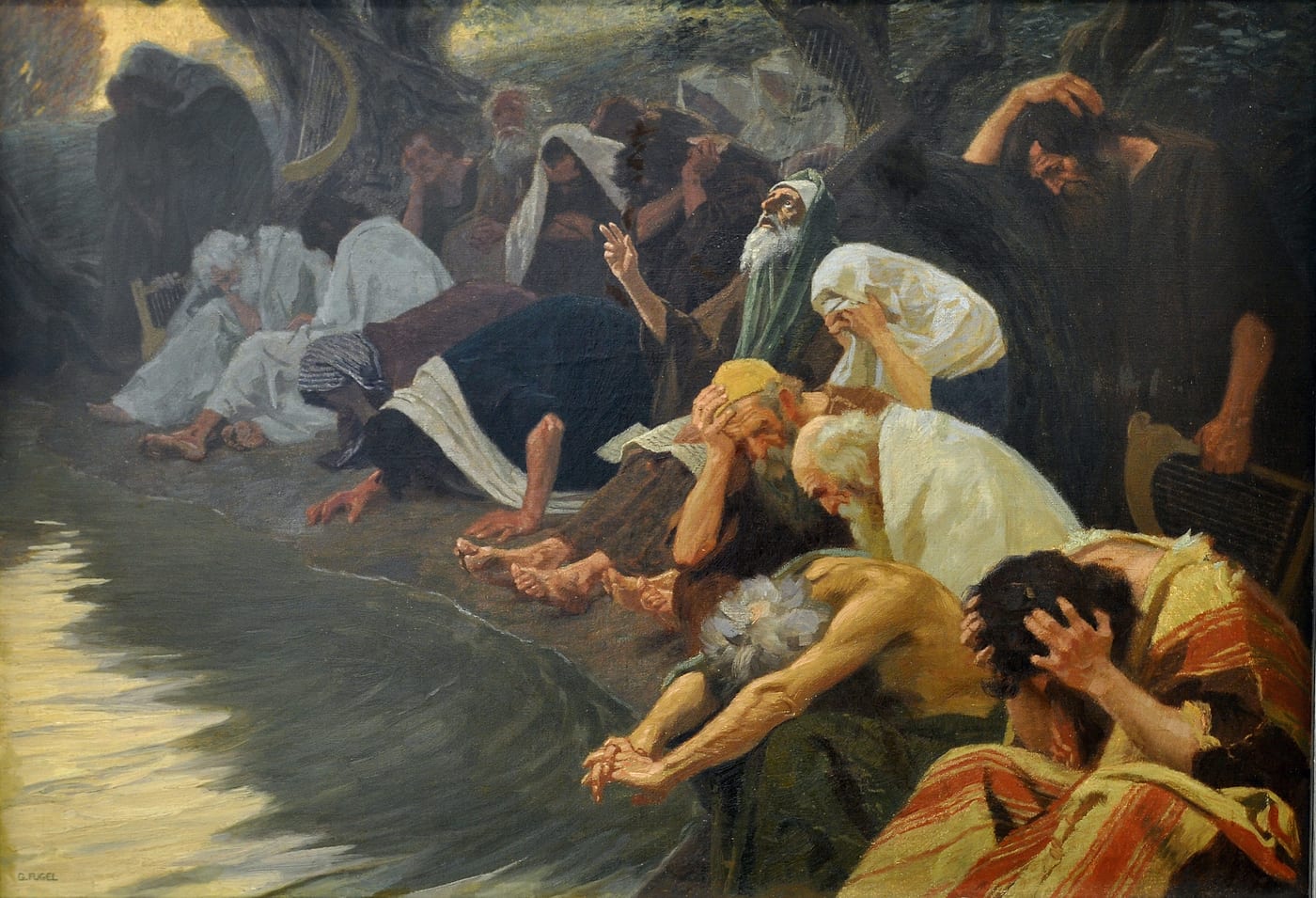 exile.jpg | An den Wassern Babylons (By the Waters of Babylon) Gebhard Fugel c. 1920 Source ↗ | Public domain | Hero background | Fugel’s mourners beside the rivers of Babylon: the catastrophe of the Exile, where the course begins. |
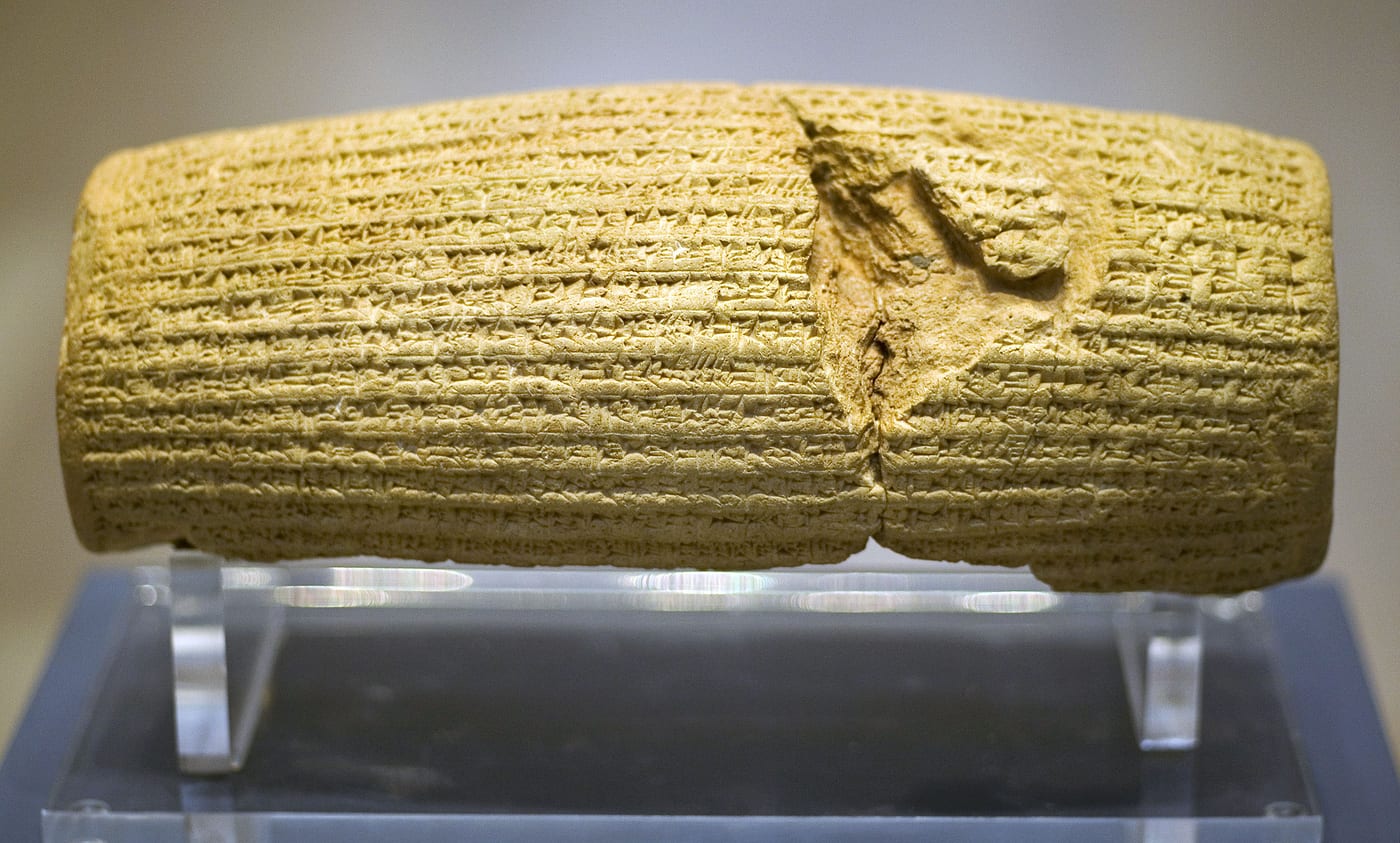 cyrus-cylinder.jpg | The Cyrus Cylinder Photo: Prioryman Cylinder c. 539 BCE (photographed 2012) Source ↗ | CC BY-SA 3.0 | Hero ornament | The Persian decree that ended the Exile and sent the Judeans home to rebuild the Temple. |
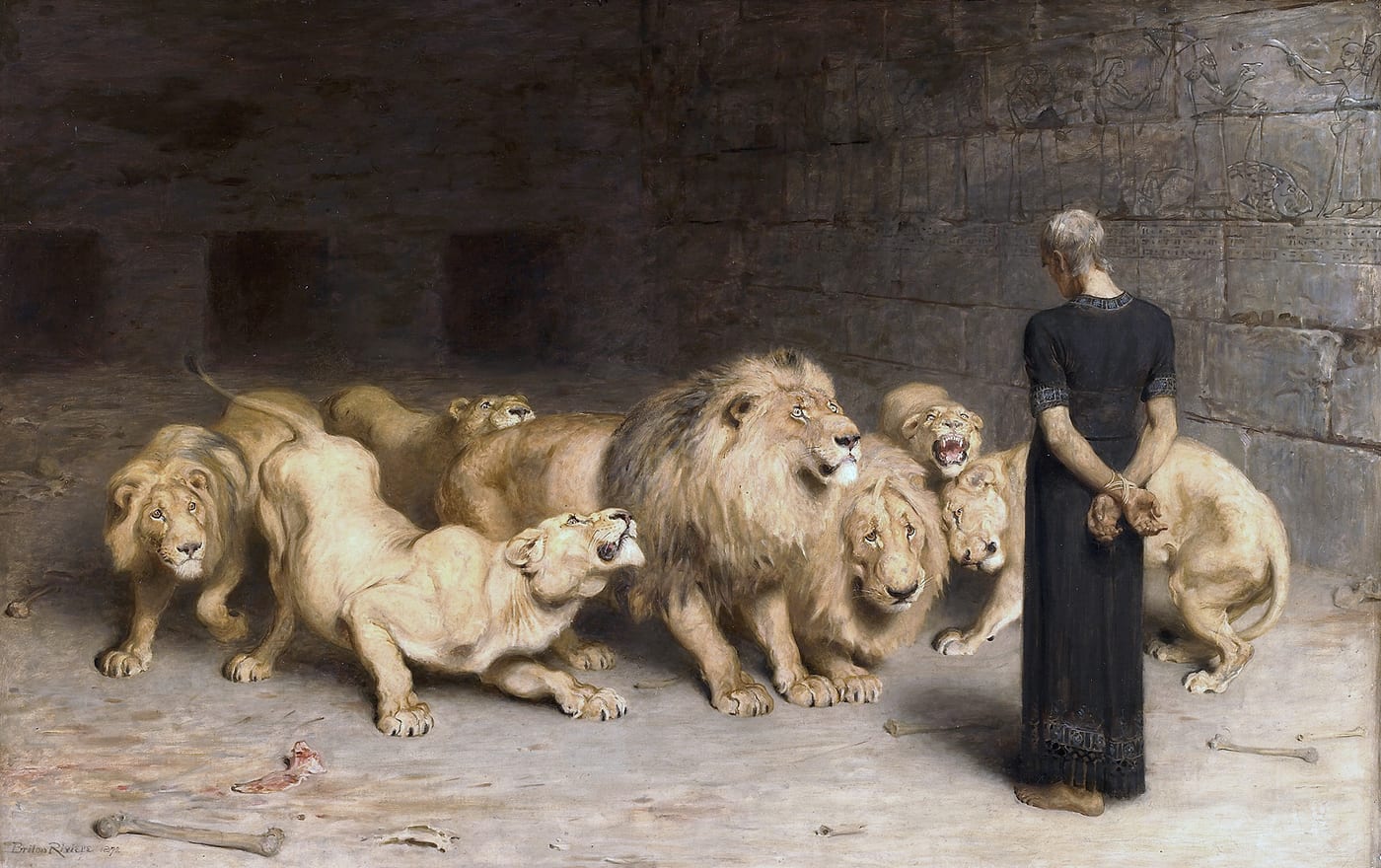 daniel-lions.jpg | Daniel in the Lions’ Den Briton Rivière 1872 Source ↗ | Public domain | Hero ornament | The Diaspora tale of Daniel, whose later chapters became the Hebrew Bible’s one apocalypse. |
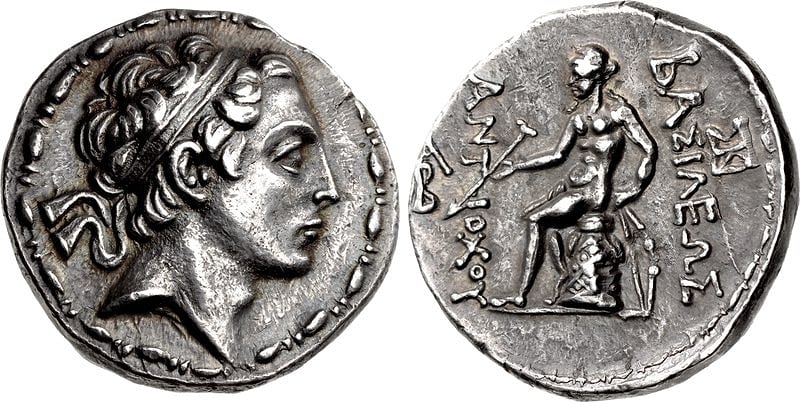 antiochus-coin.jpg | Silver tetradrachm of Antiochus IV Epiphanes Photo: Classical Numismatic Group Coin 175-164 BCE Source ↗ | CC BY-SA 2.5 | Hero ornament | Antiochus IV, the Seleucid king whose assault on the Temple cult triggered the Maccabean revolt. |
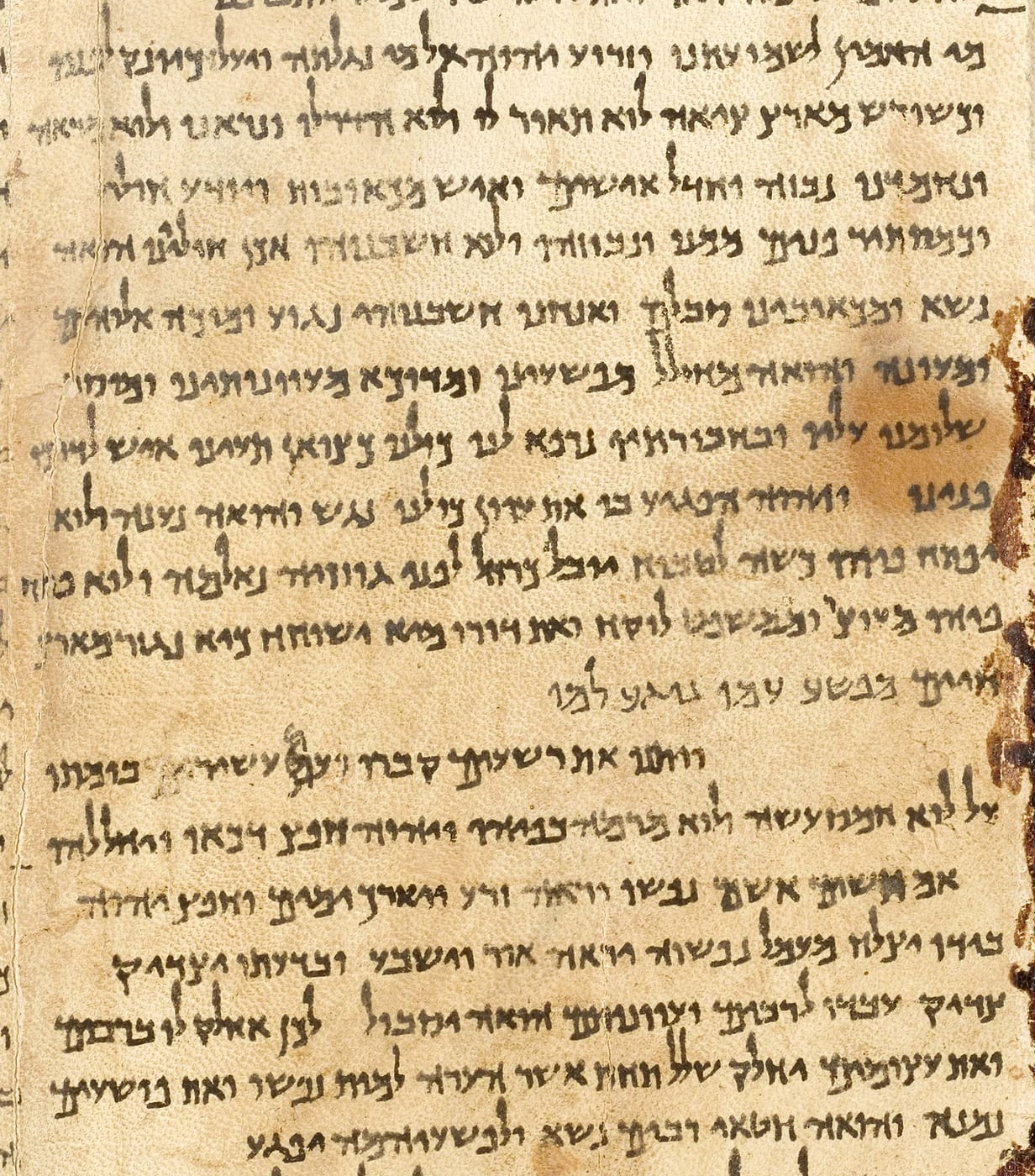 isaiah-scroll.jpg | The Great Isaiah Scroll (1QIsaa), the Isaiah 53 column Photo: Ardon Bar-Hama (Israel Museum) Scroll 2nd century BCE Source ↗ | Public domain | Origin section figure | The oldest complete copy of a biblical book, written at Qumran centuries before the rabbis. |
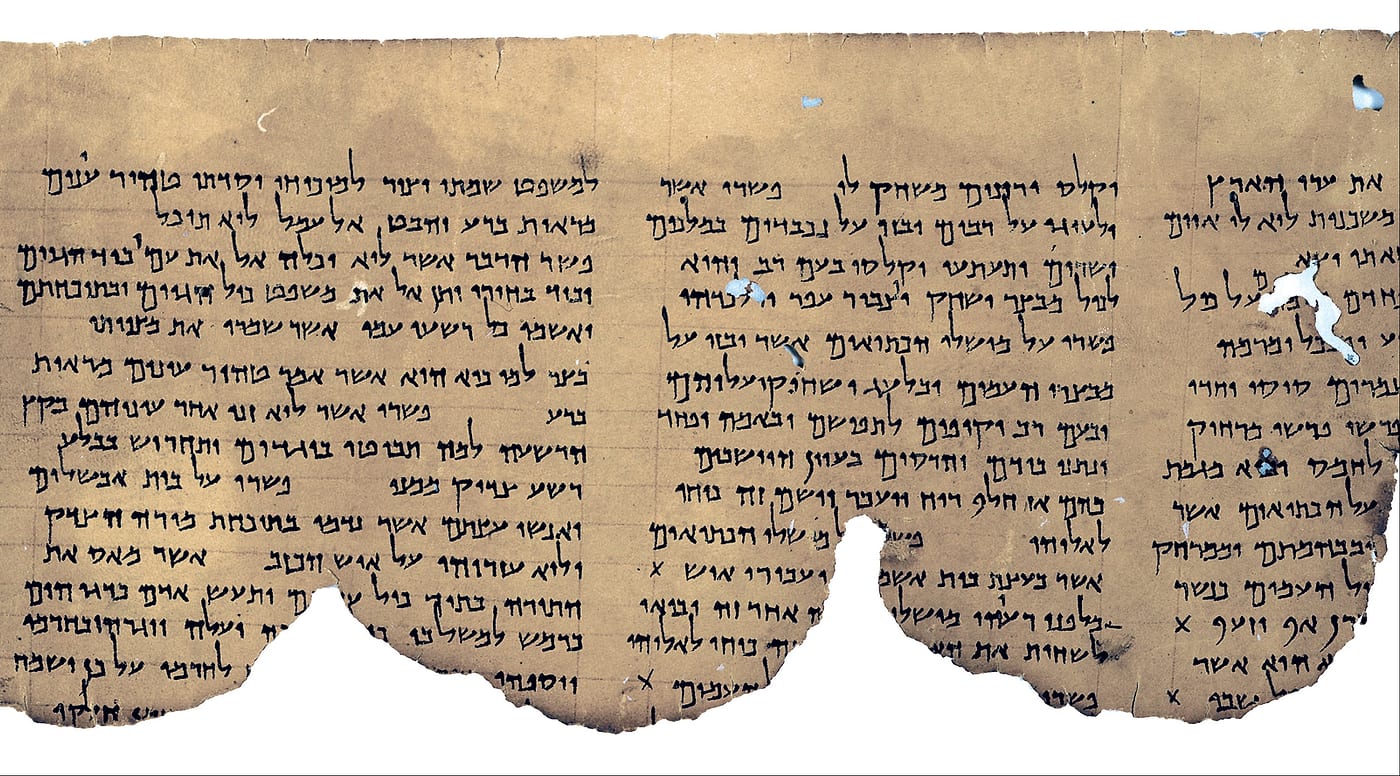 habakkuk-pesher.jpg | The Habakkuk Commentary (Pesher Habakkuk, 1QpHab) Photo: Israel Museum (Google Art Project) Scroll 1st century BCE Source ↗ | Public domain | At-a-Glance backdrop | A sectarian commentary that reads the prophet Habakkuk as a coded map of the writers’ own age. |
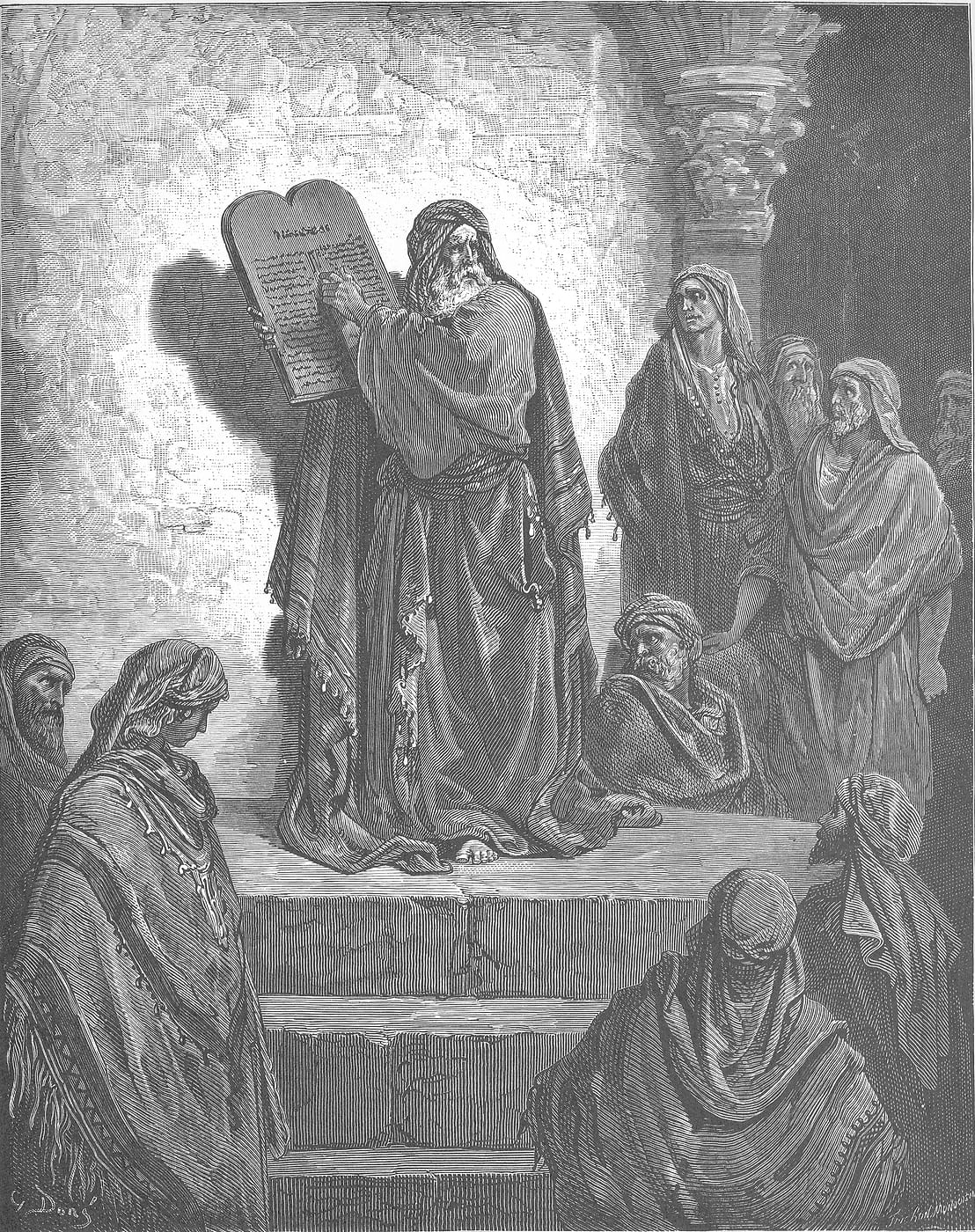 ezra-reading.jpg | Ezra Reads the Law to the People Gustave Doré 1866 Source ↗ | Public domain | Turning Point I medallion (When the Torah Became Law) | Ezra reading the Law to the assembled people: the moment the Torah became the ancestral law of the Jews. |
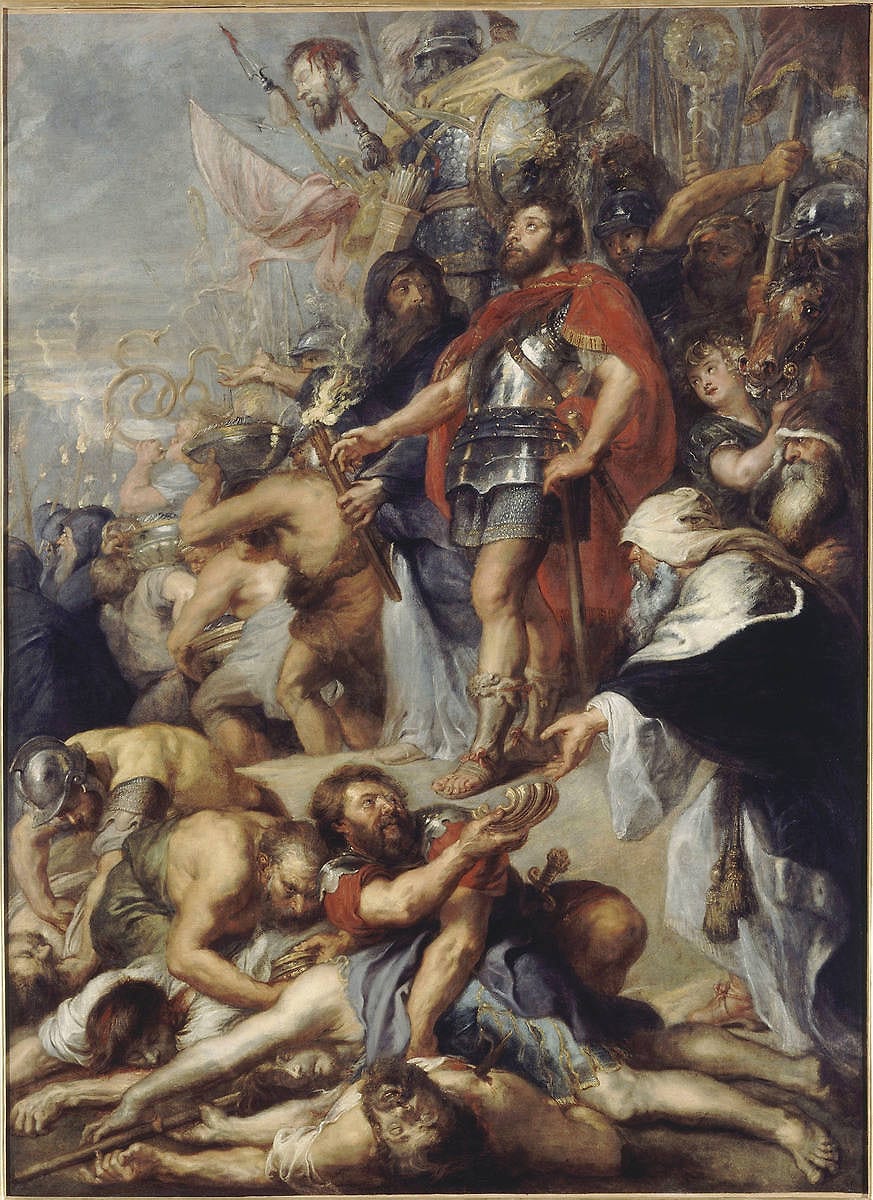 judas-maccabeus.jpg | The Triumph of Judas Maccabeus Peter Paul Rubens (and workshop) c. 1634-1636 Source ↗ | Public domain | Turning Point II medallion (The Maccabean Revolt) | Rubens’ triumphant Judas Maccabeus: the revolt that rededicated the Temple and reset Jewish history. |
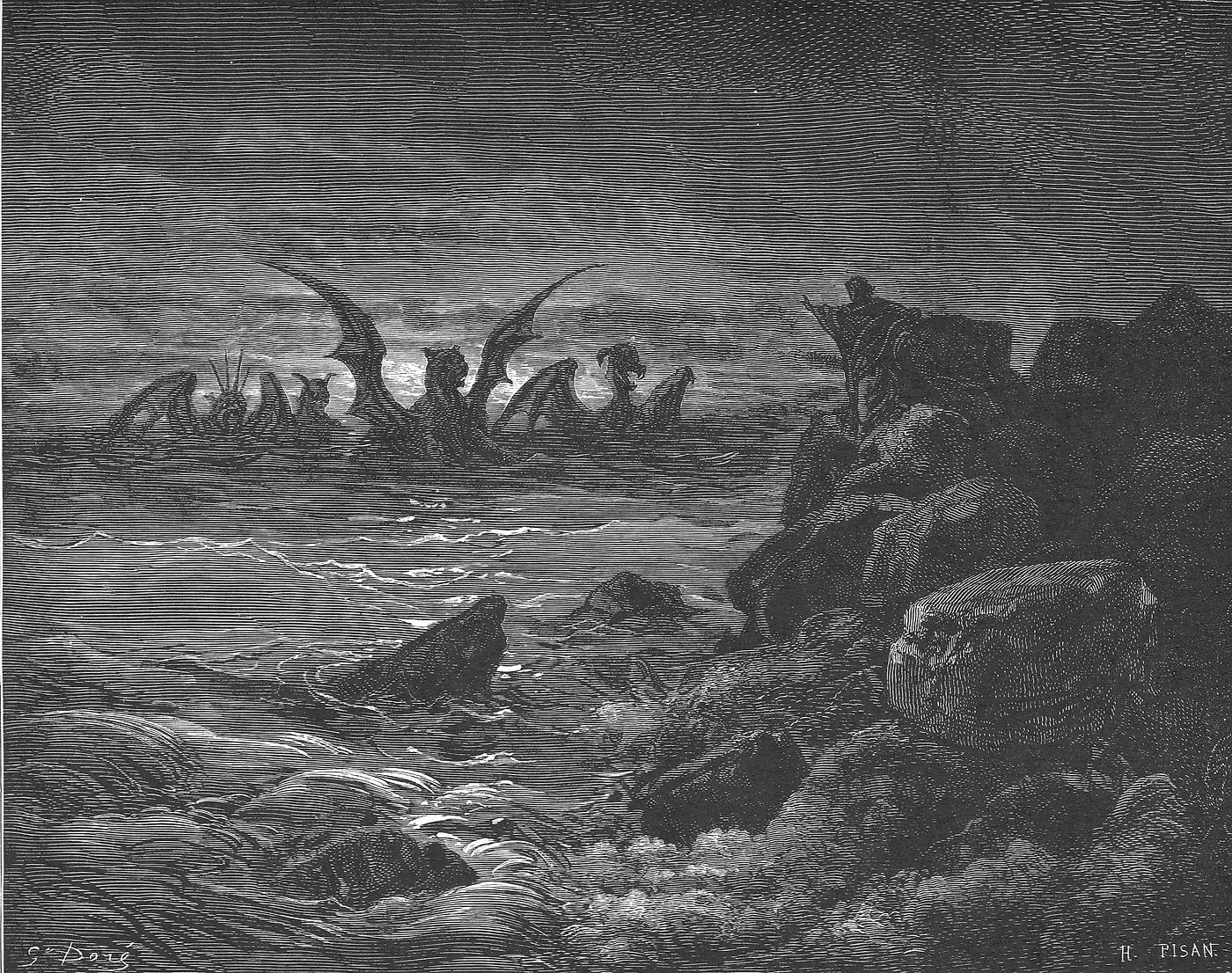 daniel-vision.jpg | Daniel’s Vision of the Four Beasts Gustave Doré 1866 Source ↗ | Public domain | Turning Point III medallion (The Birth of Apocalyptic Thinking) | Daniel’s vision of the four beasts: the apocalyptic imagination born in the second century BCE. |
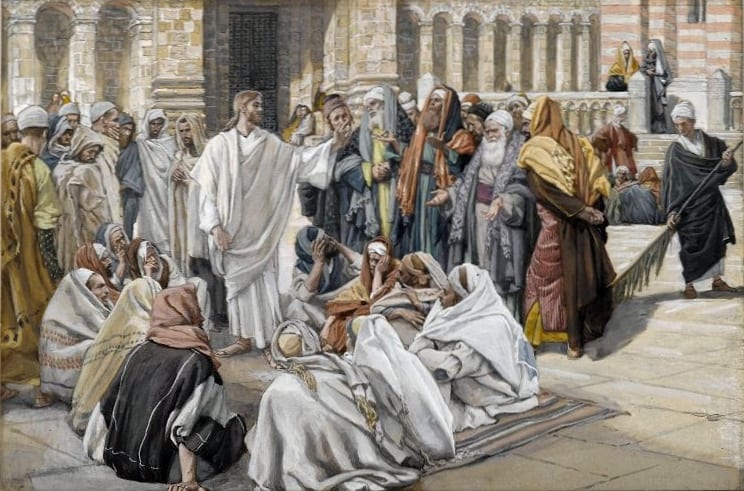 pharisees.jpg | The Pharisees Question Jesus James Tissot c. 1886-1894 Source ↗ | Public domain | Turning Point IV medallion (The Battle Over the Law) | Tissot’s questioning Pharisees: one of the rival sects forged in the disputes over how to keep the Law. |
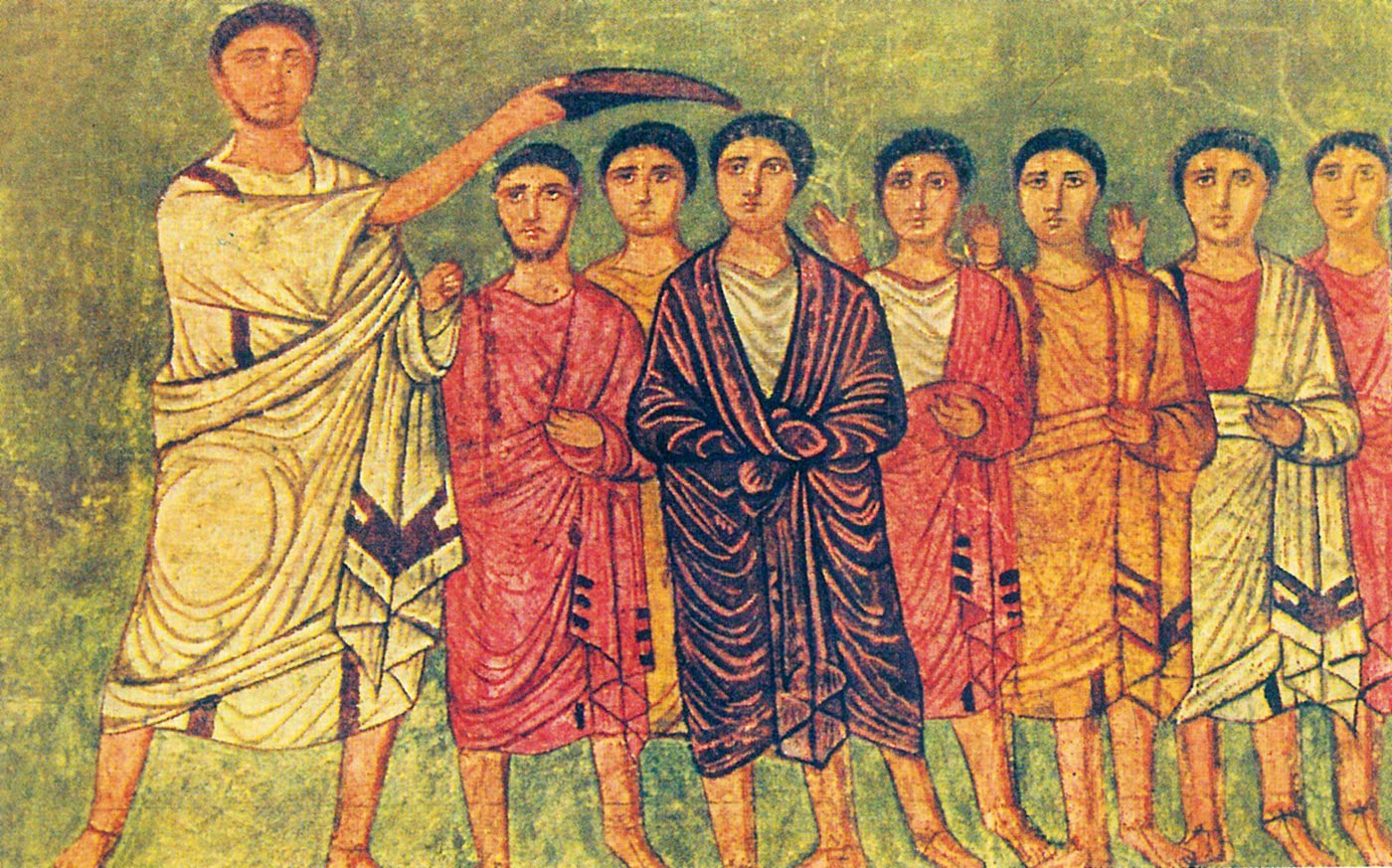 davidic-king.jpg | Samuel Anoints David (Dura-Europos synagogue fresco) Unknown (synagogue fresco) c. 250 CE Source ↗ | Public domain | Turning Point V medallion (The Hope for a Messiah) | Samuel anointing the boy David, from the Dura-Europos synagogue: the royal hope that revived as messianic expectation. |
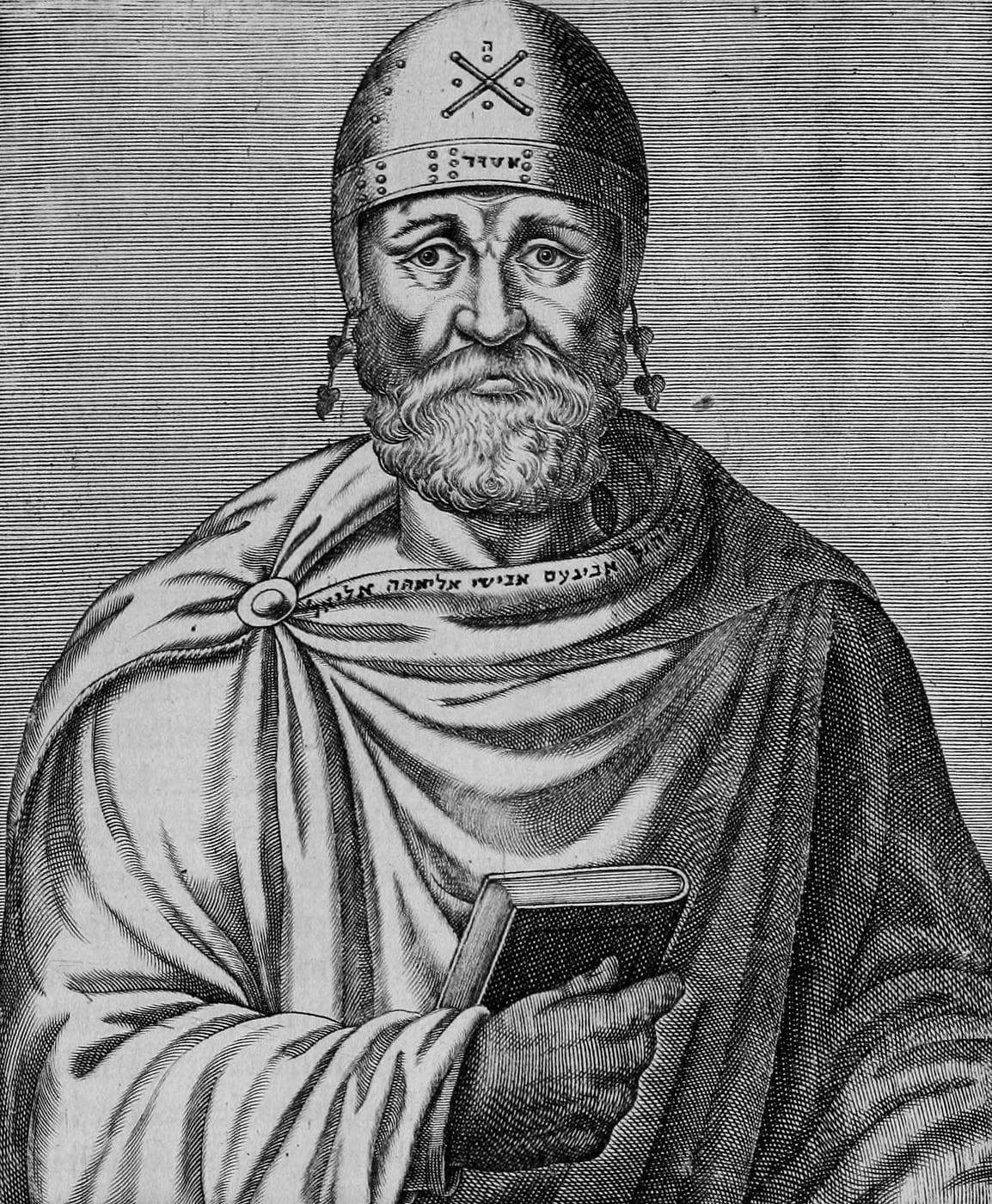 philo-alexandria.jpg | Portrait of Philo of Alexandria André Thevet 1584 Source ↗ | Public domain | Turning Point VI medallion (Jews in a Greek World) | Philo of Alexandria, whose fusion of Scripture and Greek philosophy crowns the story of Jews in a Greek world. |
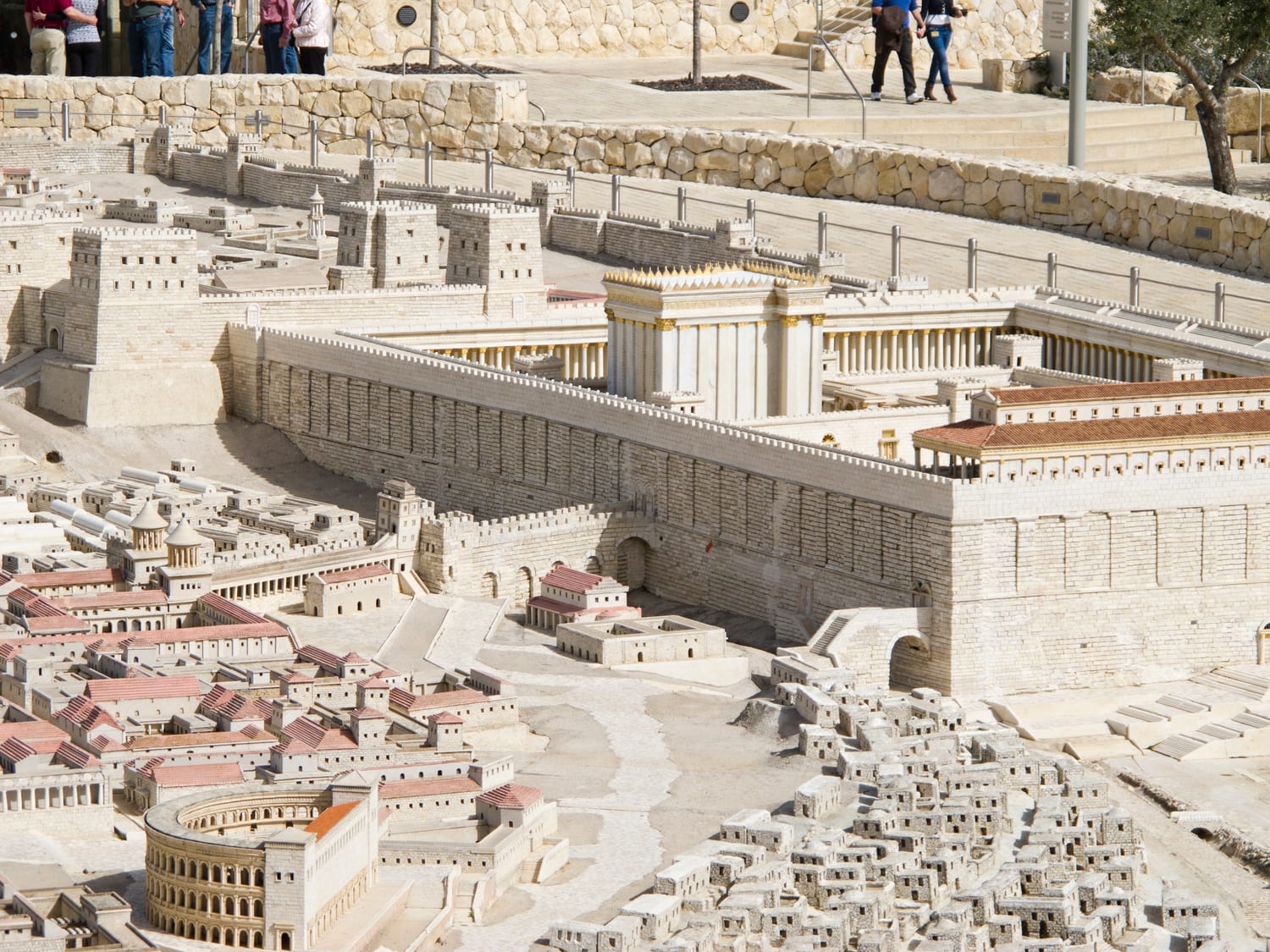 second-temple.jpg | Model of Jerusalem in the Late Second Temple Period (Holyland Model) Photo: Dan Lundberg Model photographed 2011 Source ↗ | CC BY-SA 2.0 | Instructor backdrop | Herod’s Temple in the Holyland Model: the Second Temple that stands at the center of the whole period. |
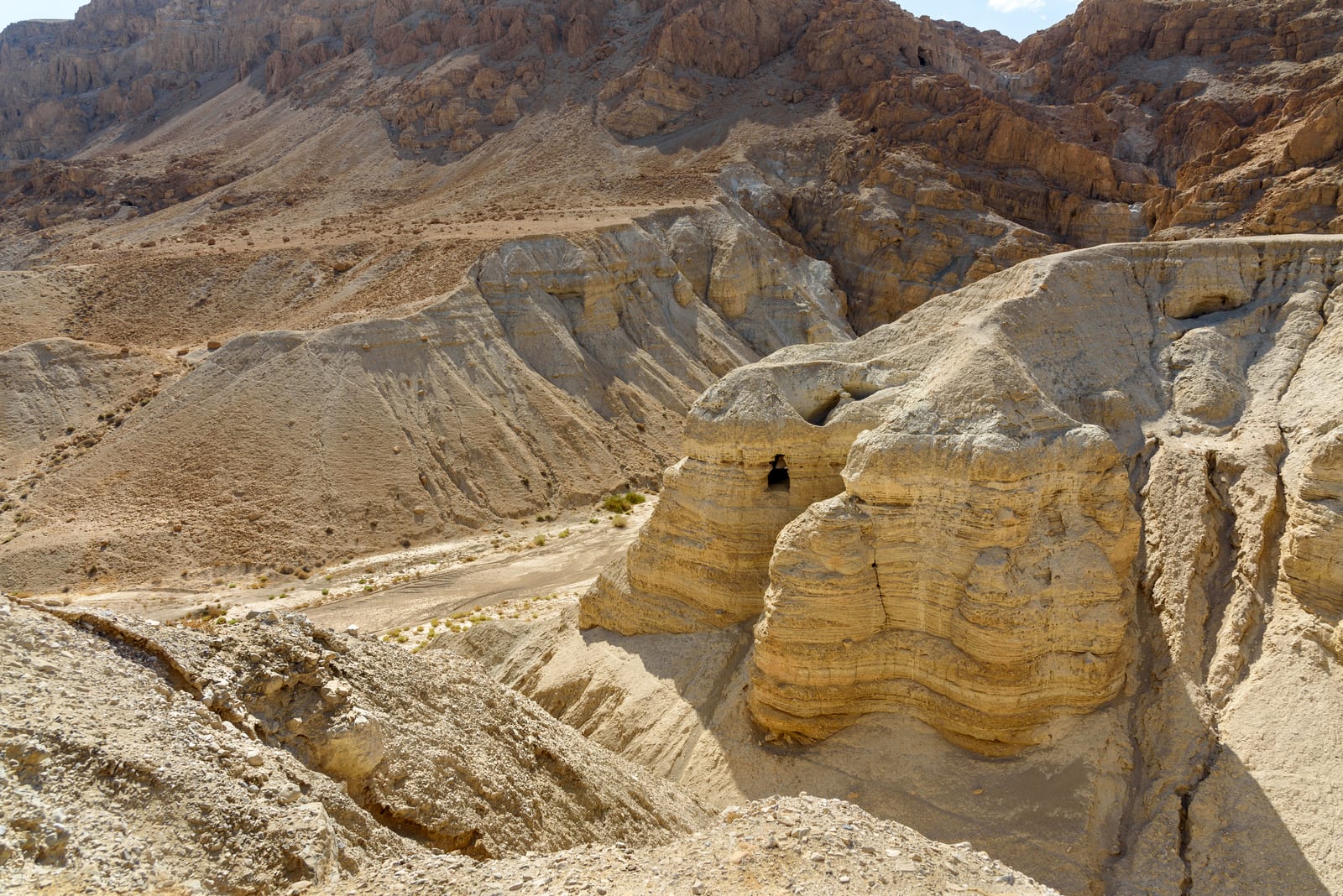
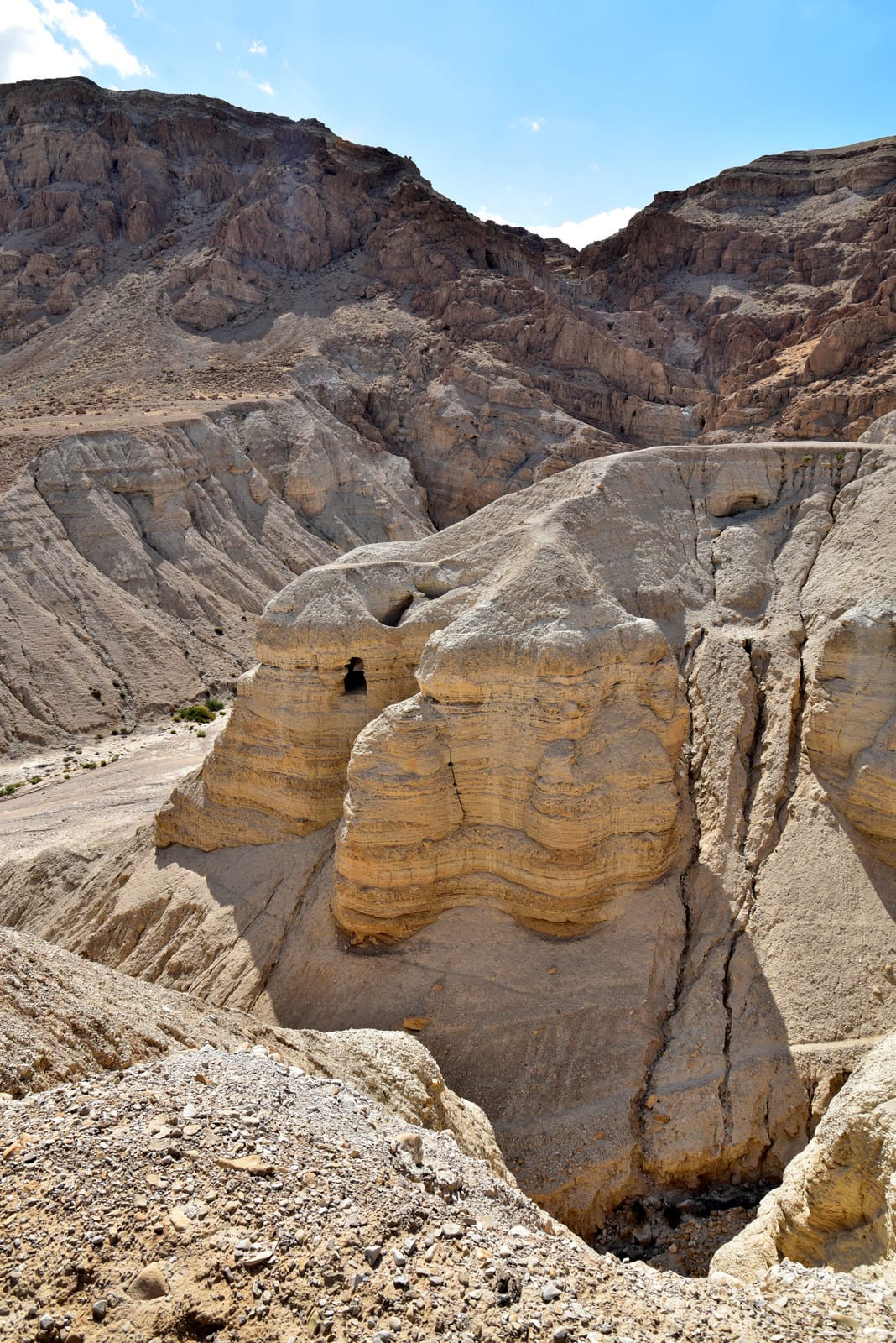 qumran-caves.jpg | Cave 4Q, Qumran Photo: Bahnfrend Photographed 2019 Source ↗ | CC BY-SA 4.0 | Stats backdrop | Cave 4 at Qumran, where the largest cache of the Dead Sea Scrolls came to light. |
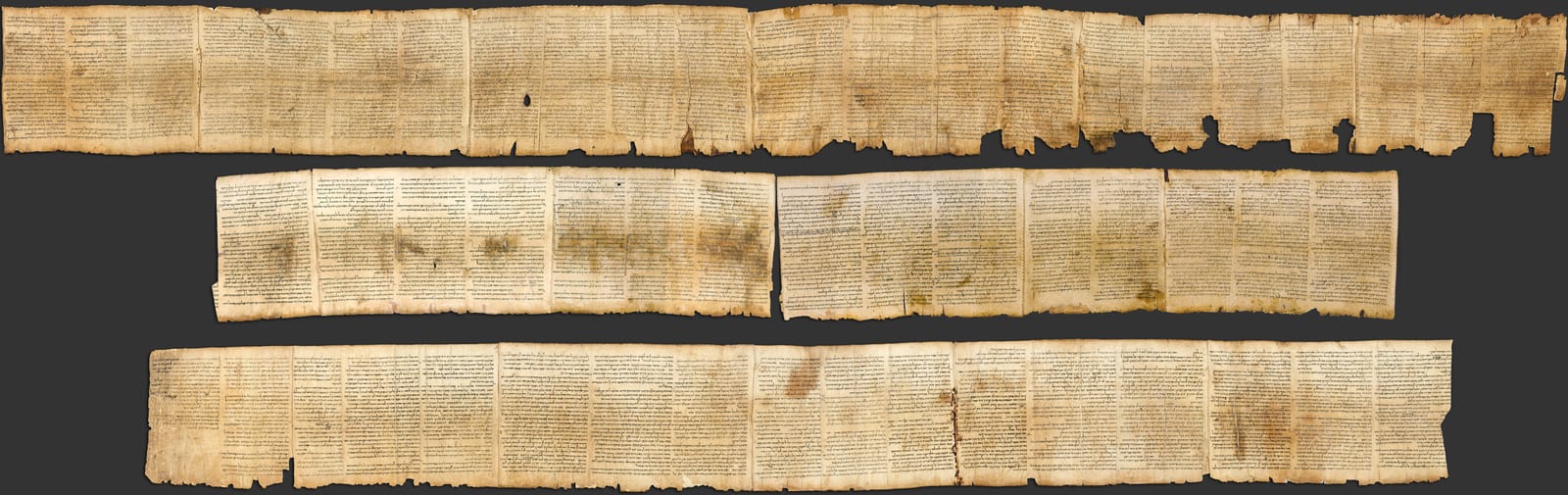 dead-sea-scrolls.jpg | The Great Isaiah Scroll (1QIsaa), unrolled Photo: Ardon Bar-Hama (Israel Museum) Scroll 2nd century BCE Source ↗ | Public domain | Highlights backdrop | The Great Isaiah Scroll at full length: the primary evidence behind the course’s five lectures on the Scrolls. |
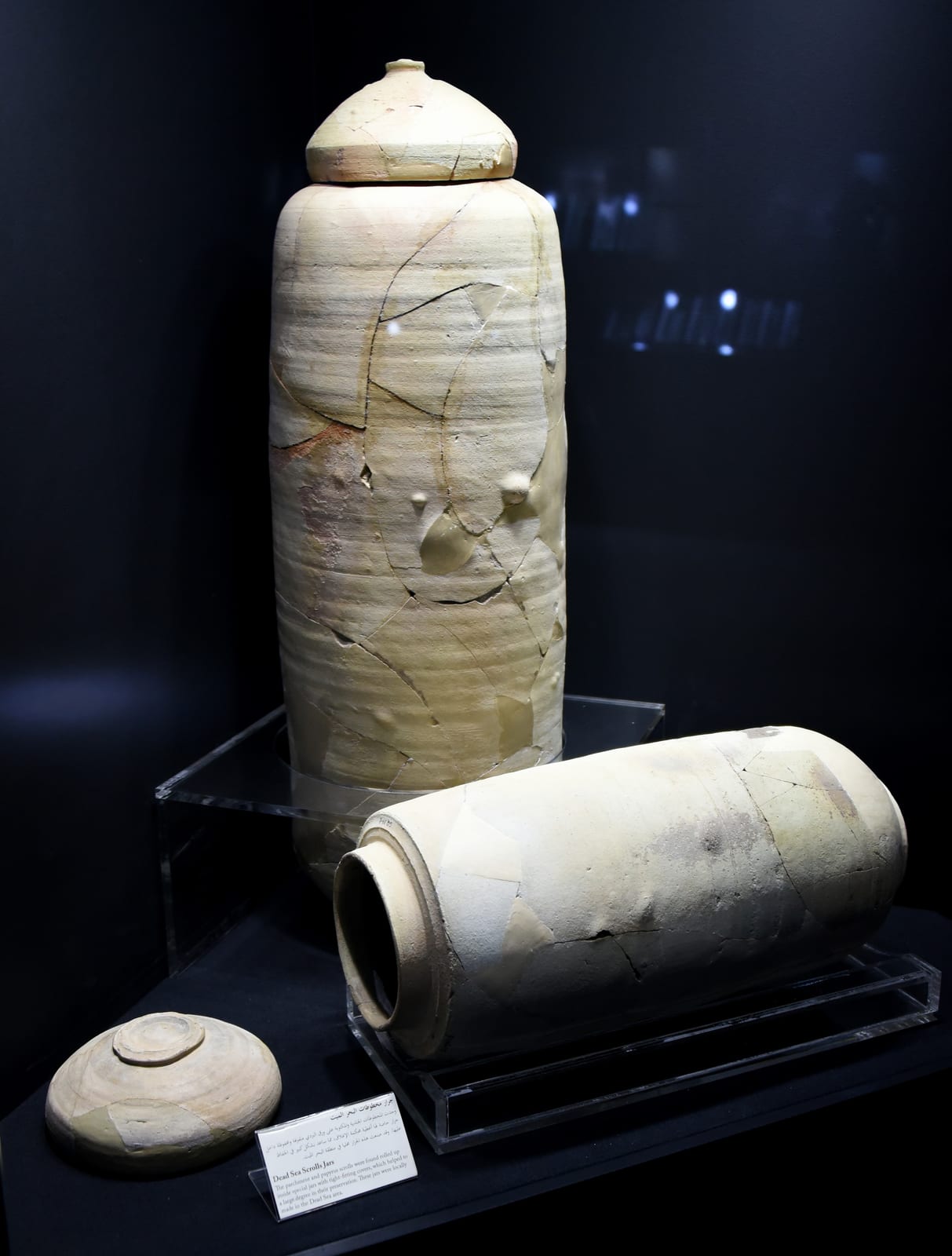 qumran-jar.jpg | Dead Sea Scroll storage jars (Jordan Museum, Amman) Photo: Osama Shukir Muhammed Amin Jars 1st century BCE (photographed 2018) Source ↗ | CC BY-SA 4.0 | Highlights image card | The ceramic jars in which the Scrolls survived two thousand years in the desert. |
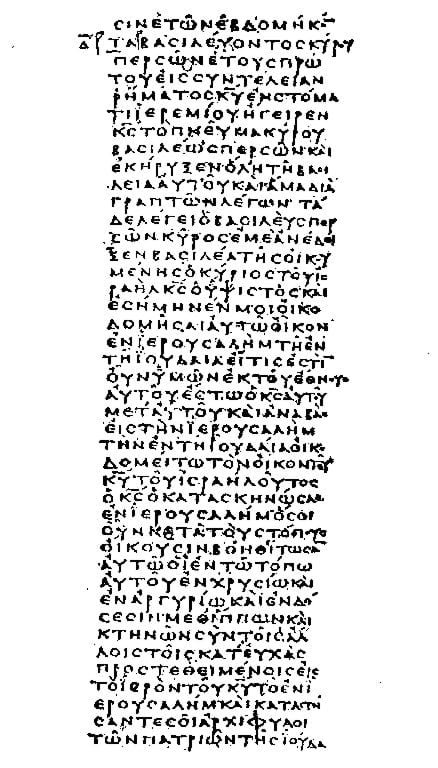 septuagint.jpg | Codex Vaticanus, a page of the Greek Septuagint (1 Esdras) Unknown (4th-century scribe) Codex 4th century CE Source ↗ | Public domain | Highlights image card | A page of the Greek Septuagint: the Scripture of the Greek-speaking Jews of the Diaspora. |
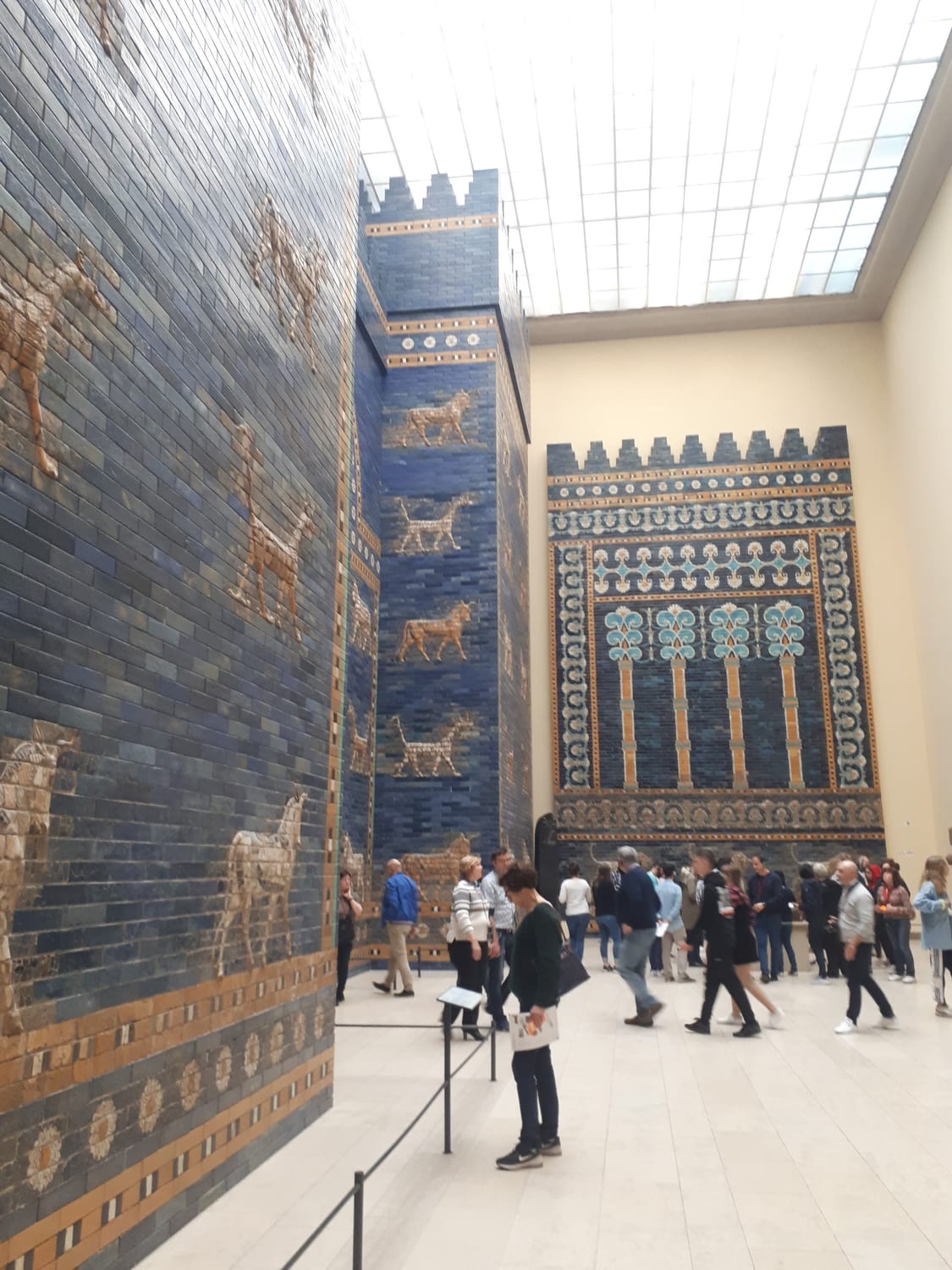 ishtar-gate.jpg | The reconstructed Ishtar Gate of Babylon (Pergamon Museum, Berlin) Photo: Sinoulpgc Gate c. 575 BCE (reconstruction photographed 2019) Source ↗ | CC0 | “Prepare to Rethink” backdrop | Babylon’s Ishtar Gate: the imperial world into which the Judean exiles were carried. |
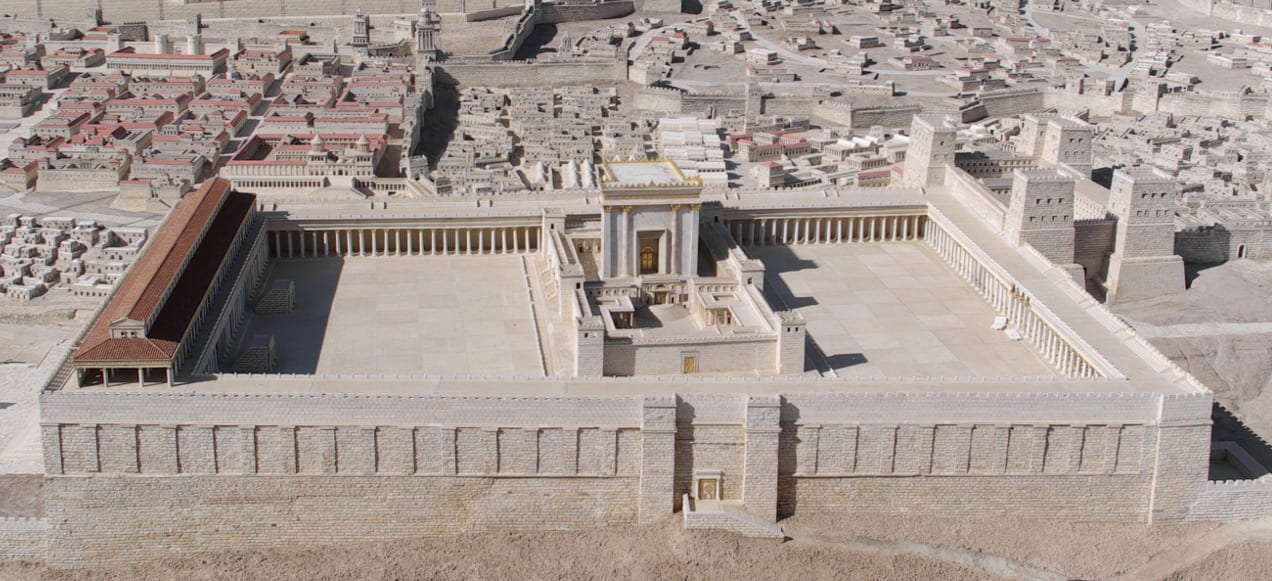 temple-model.jpg | The Temple Mount, Holyland Model of Jerusalem Photo: Berthold Werner Model photographed 2008 Source ↗ | Public domain | Schedule backdrop | A wider view of the Temple Mount in the Holyland Model: the Jerusalem of the late Second Temple age. |
 enoch-fragment.jpg | Dead Sea Scroll fragment, Qumran Cave 4 Photo: Mustang Joe Fragment c. 1st century BCE (photographed 2023) Source ↗ | CC0 | Bonuses backdrop | A scroll fragment from Cave 4 at Qumran, the kind of text that preserved the books of Enoch. |
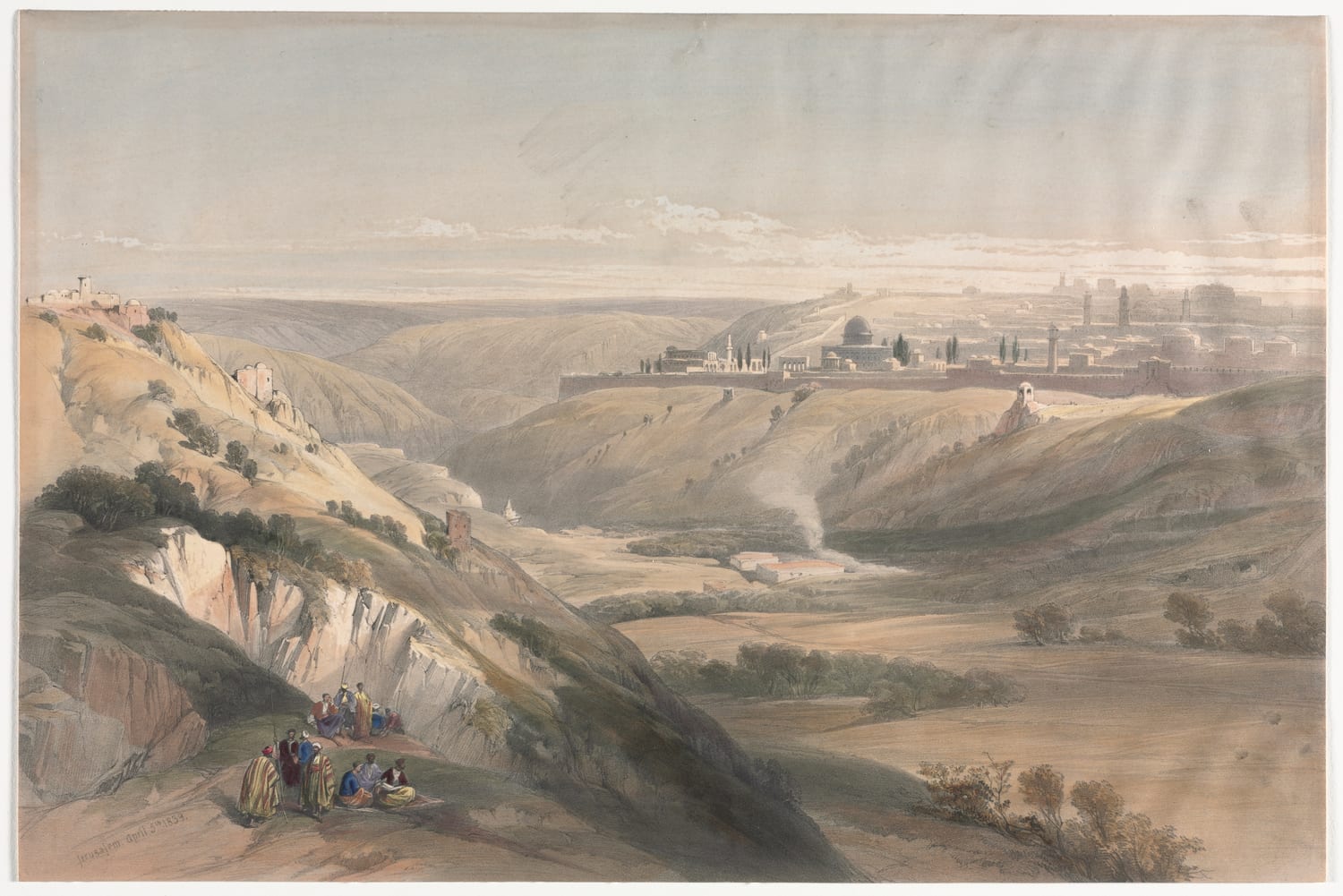 jerusalem-view.jpg | Jerusalem from the Mount of Olives David Roberts 1839 Source ↗ | Public domain | FAQ backdrop | Roberts’ Jerusalem from the Mount of Olives: the city whose fall in 70 CE closes the course. |
Public-domain works are reproduced freely. CC BY / CC BY-SA images are credited to their photographers as required; follow each Source link for the full license text.