
Image Credits
Mythbusting the Bible
Every image on the class page, with its source, license, and the reason it was chosen. Each one is tied to one of the ten aha moments Dan McClellan and Pete Enns walk through in the class.
| Image | Work & Attribution | License | Where it appears | Why it’s included |
|---|---|---|---|---|
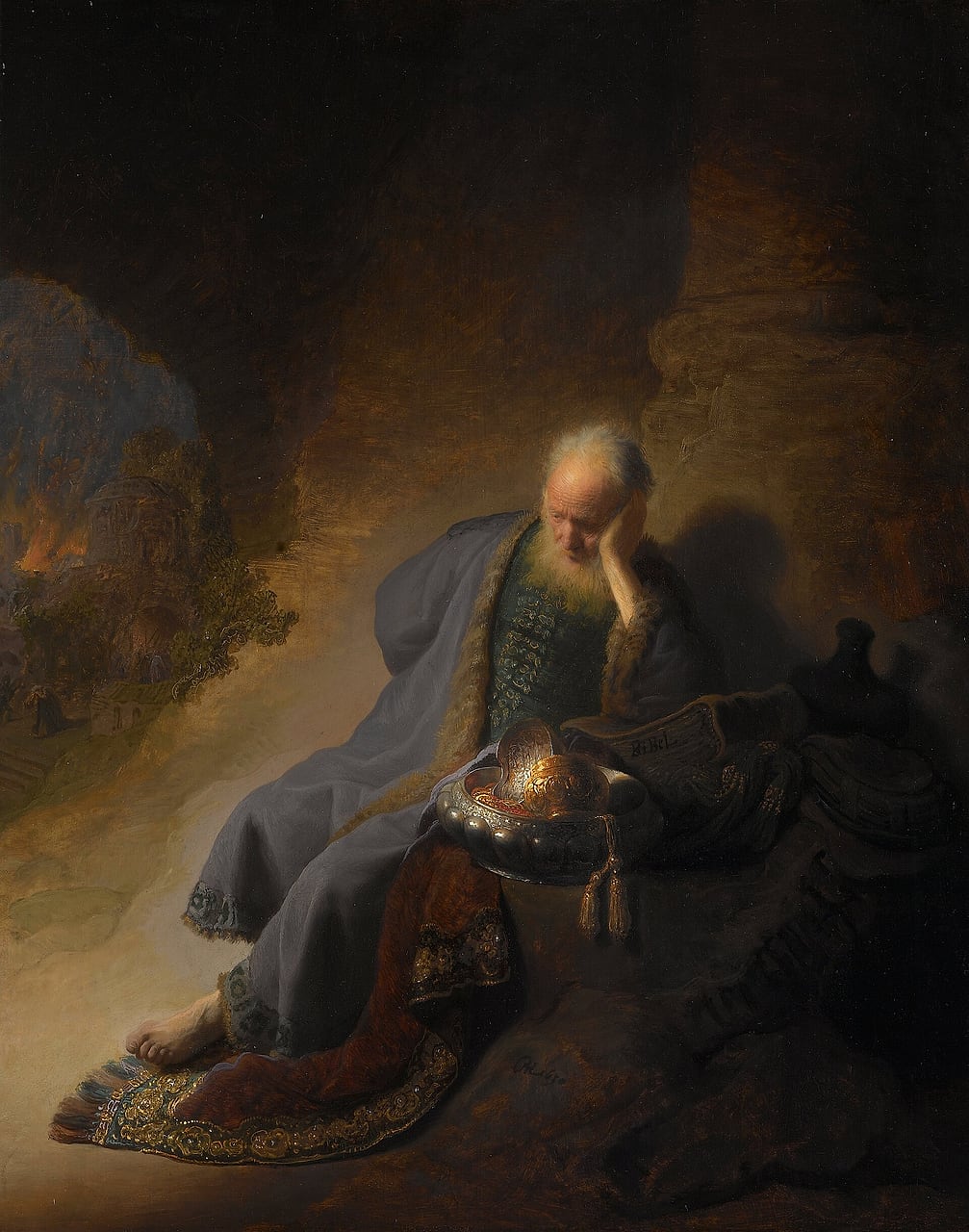 jeremiah.jpg | Jeremiah Lamenting the Destruction of Jerusalem Rembrandt van Rijn 1630 Source ↗ | Public domain | Hero background · Schedule backdrop | The prophet with the city burning behind him. Two of Pete’s aha moments live here: Jeremiah 7, which says nothing about a written law, and the exile that, he argues, is what the Bible was written in response to. |
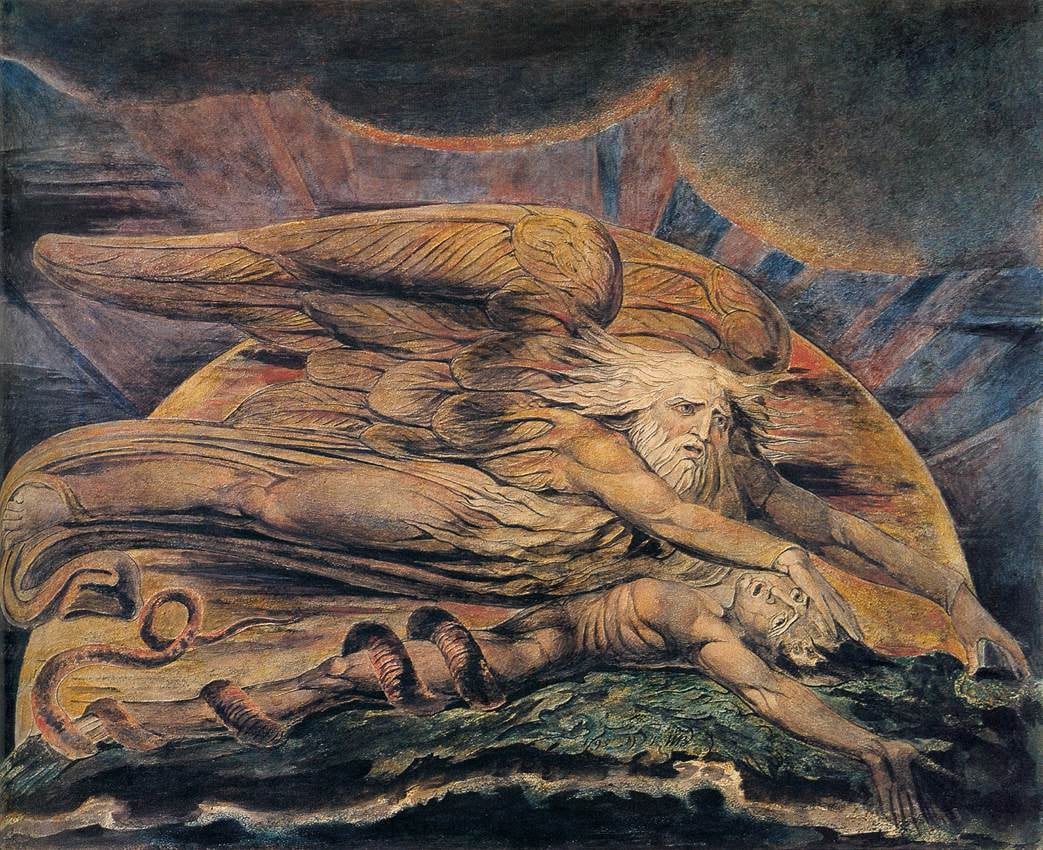 elohim-adam.jpg | Elohim Creating Adam William Blake 1795 Source ↗ | Public domain | Opening section figure | Blake’s title uses the Hebrew word for God that Dan spent two theses trying to define, and the scene is the Adam story Pete reads as symbol rather than history. Both scholars’ final aha moments in one picture. |
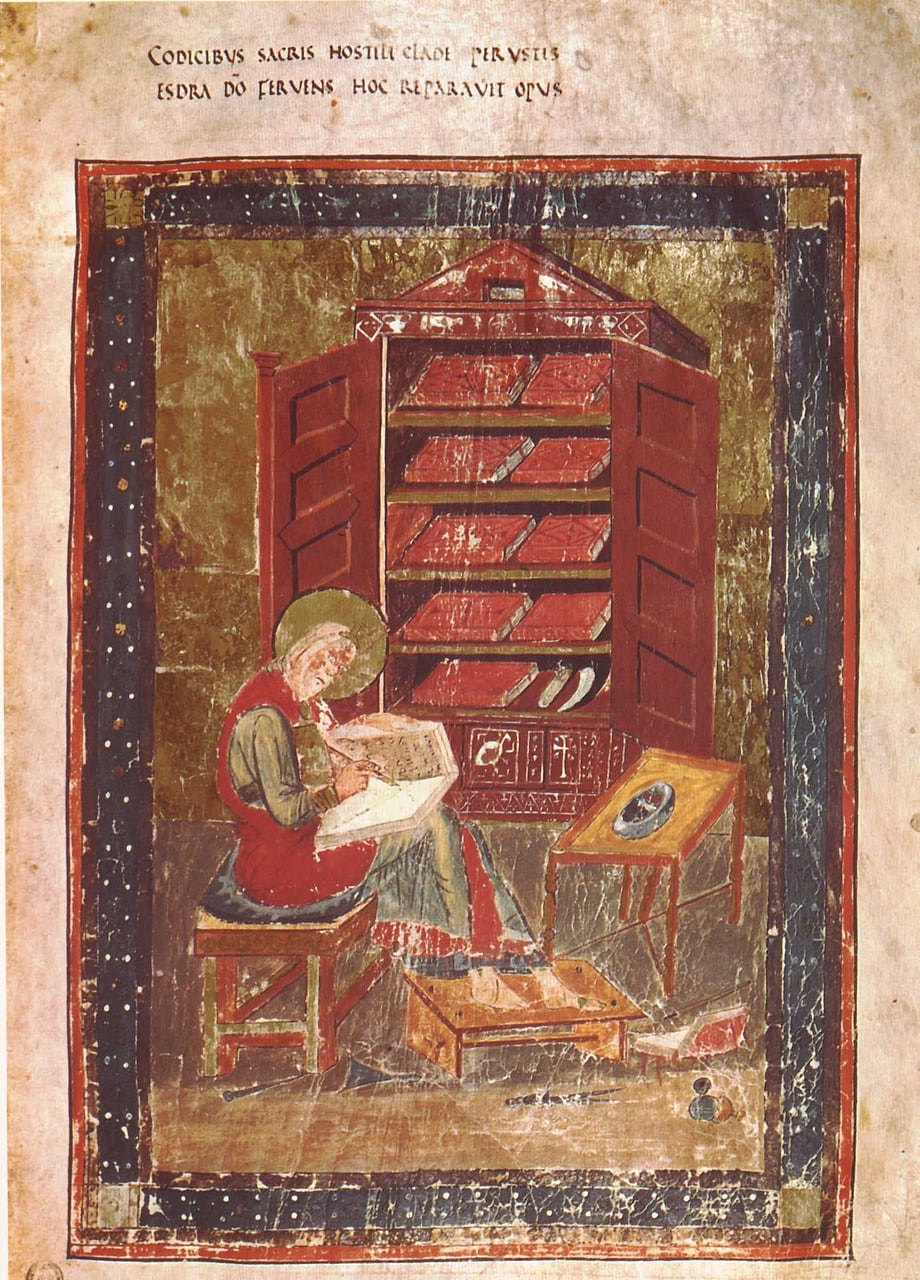 ezra.jpg | Ezra the Scribe, Codex Amiatinus (folio 5r) Unknown (Wearmouth-Jarrow, Northumbria) Early 8th century Source ↗ | Public domain | Topic I medallion · Instructor backdrop | A scribe at work on the scriptures, in the oldest complete Latin Bible. The class’s first topic is how two scholars changed their minds about how to read them. |
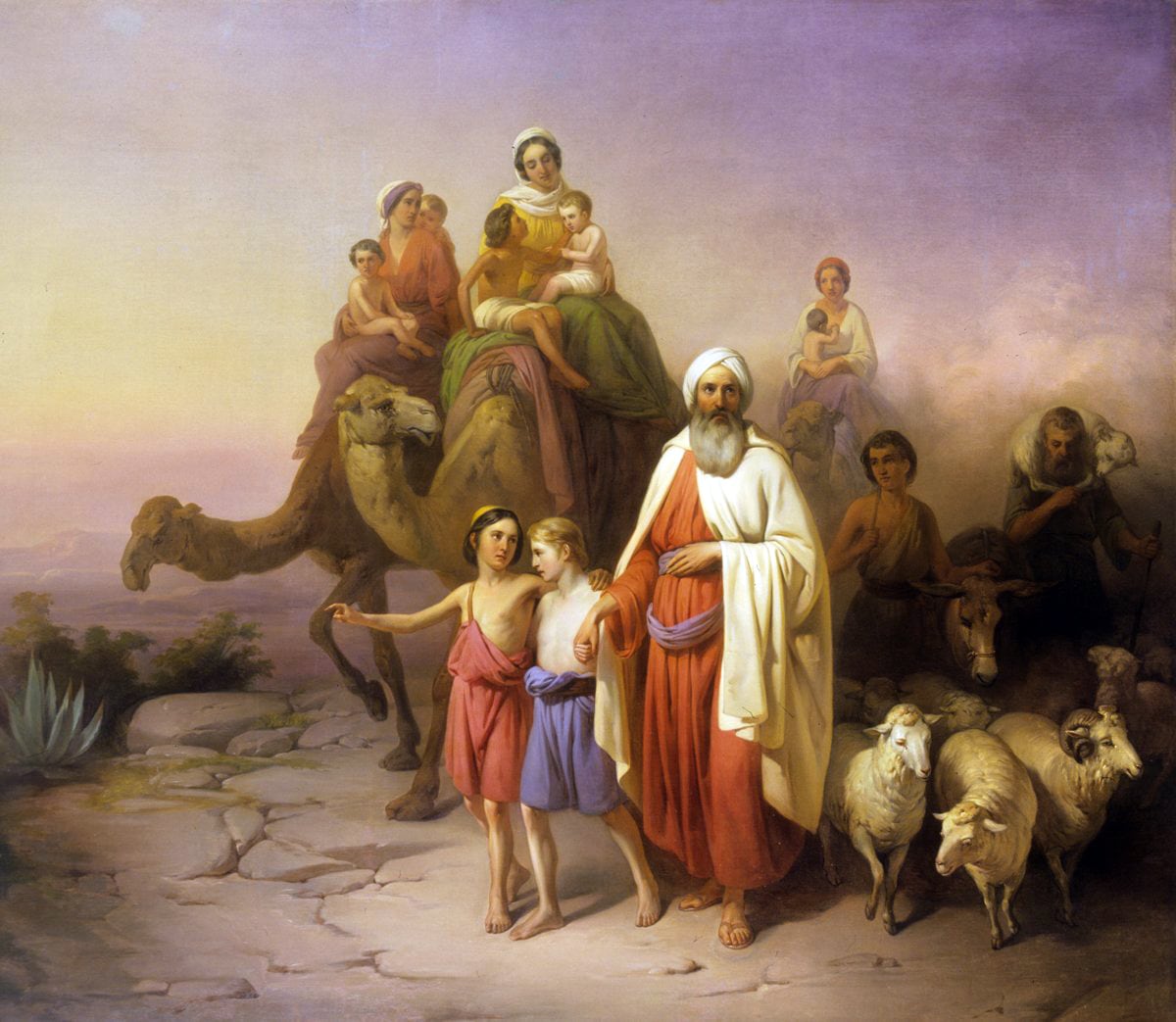 abraham.jpg | Abraham’s Journey from Ur to Canaan József Molnár 1850 Source ↗ | Public domain | Topic II medallion | The migration the story describes, painted as history. Pete stopped searching for the historical Abraham six weeks into his doctorate, which is the class’s answer to which stories happened. |
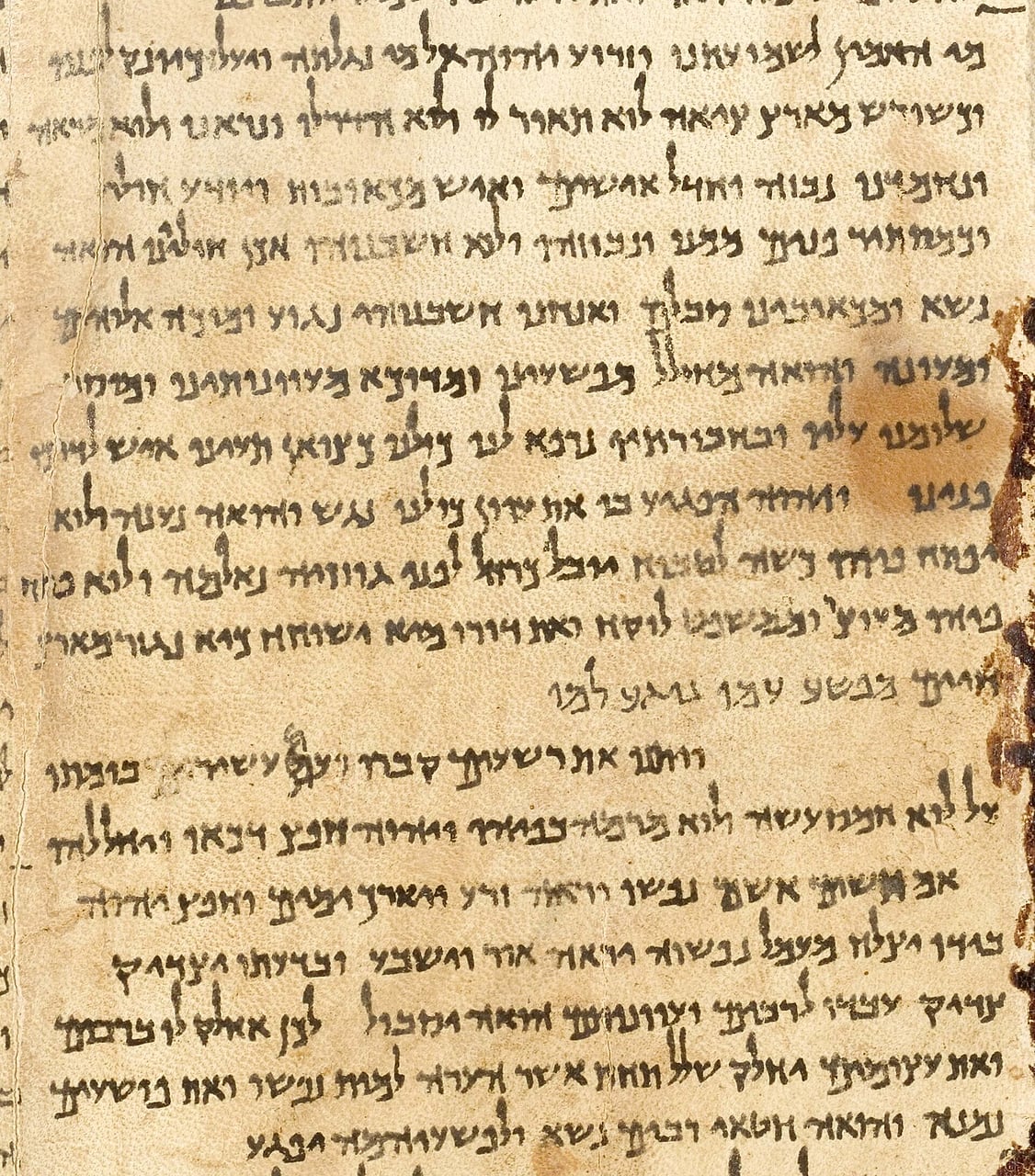 isaiah-scroll.jpg | The Great Isaiah Scroll (1QIsaᵃ), the column containing Isaiah 53 Unknown scribe · Photograph by Ardon Bar Hama c. 2nd century BC Source ↗ | Public domain | At-a-Glance backdrop · Topic III medallion | The oldest complete copy of a biblical book, from the Dead Sea Scrolls. The text itself, for the topic on whether a text carries any inherent meaning. |
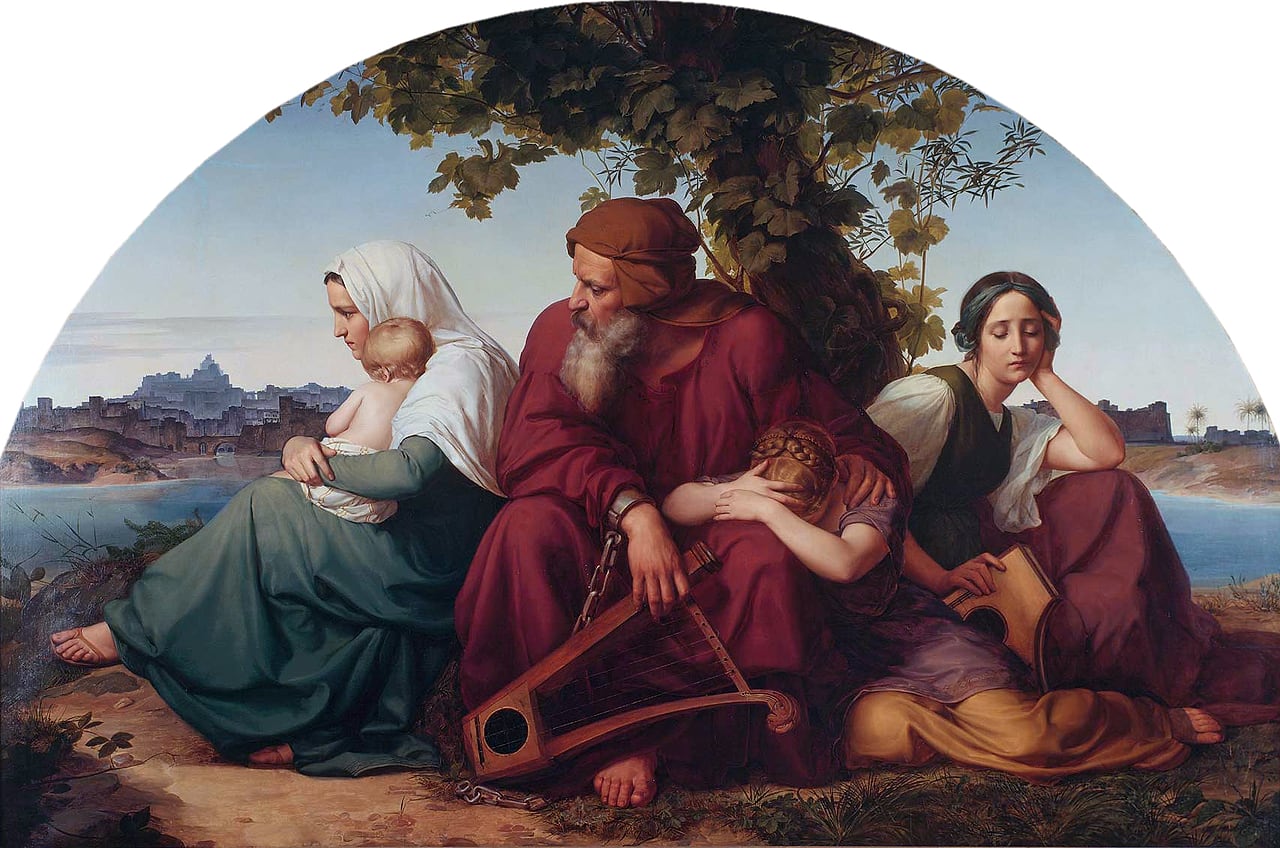 exile.jpg | Jews Mourning in Exile Eduard Bendemann c. 1832 Source ↗ | Public domain | Topic IV medallion · Co-instructor backdrop | By the rivers of Babylon. Pete’s argument that the Bible is a post-exilic anthology, written by people who had survived this and needed to explain how they got there. |
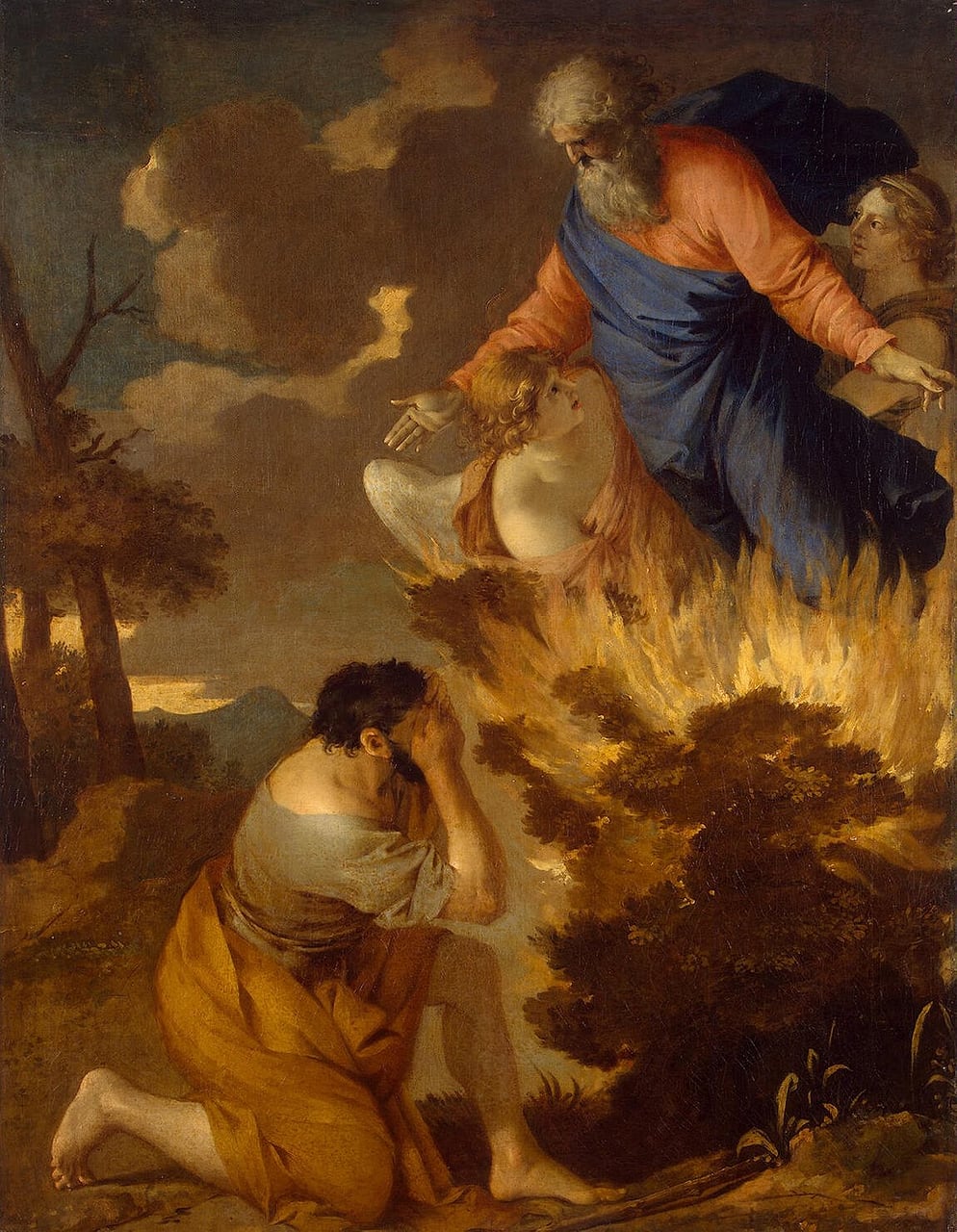 burning-bush.jpg | Moses and the Burning Bush Sébastien Bourdon 17th century Source ↗ | Public domain | Topic V medallion | Where God gives Moses the name. Dan’s first aha moment, at twelve, was noticing that Exodus 6 says the patriarchs never knew it, thirty pages after Abraham had used it. |
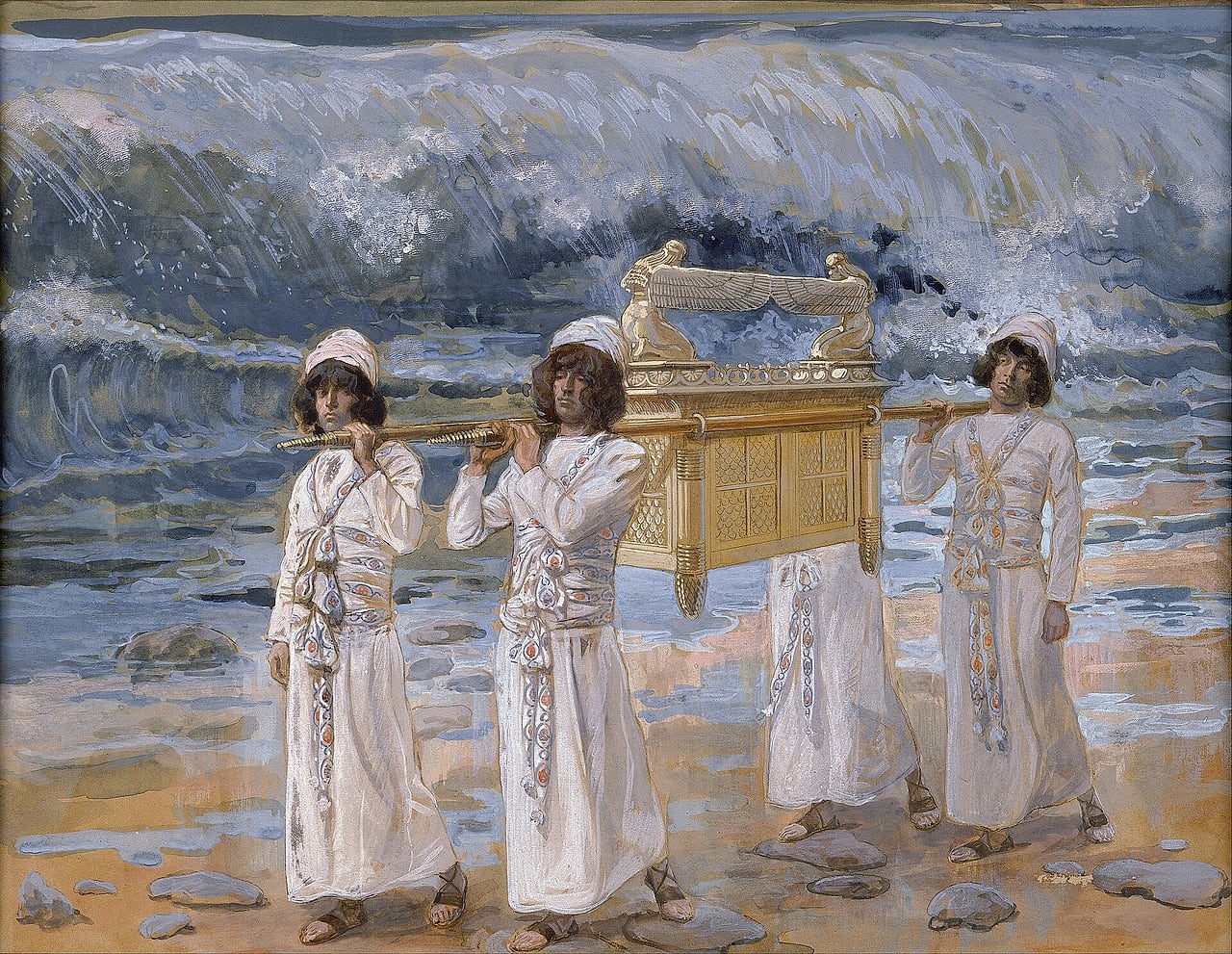 ark-jordan.jpg | The Ark Passes Over the Jordan James Tissot c. 1896-1902 Source ↗ | Public domain | Topic VI medallion · Bonuses backdrop · Hero artifact (unrendered) | The Ark of the Covenant, the first thing Dan realized the Bible treats the way the ancient world treated a divine image. His answer to what the Bible is for. |
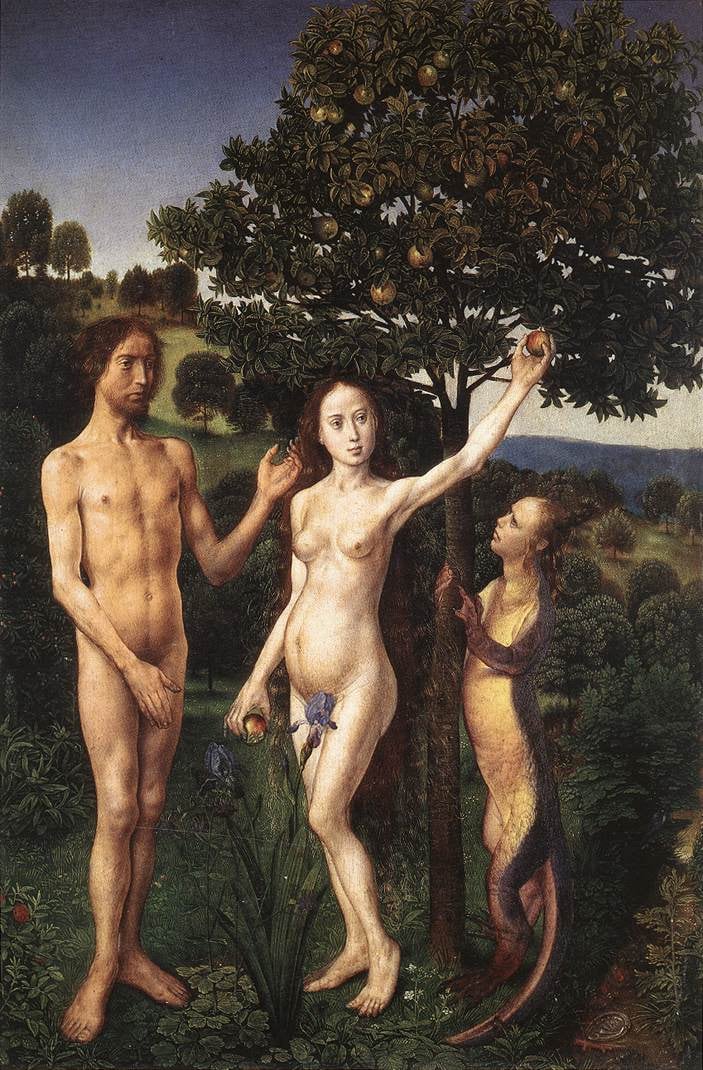 the-fall.jpg | The Fall of Man Hugo van der Goes c. 1467-1468 Source ↗ | Public domain | “Prepare to Rethink” backdrop | Van der Goes gives the serpent a human face. Pete’s point exactly: a talking snake and two magic trees are a genre clue, not a news report. |
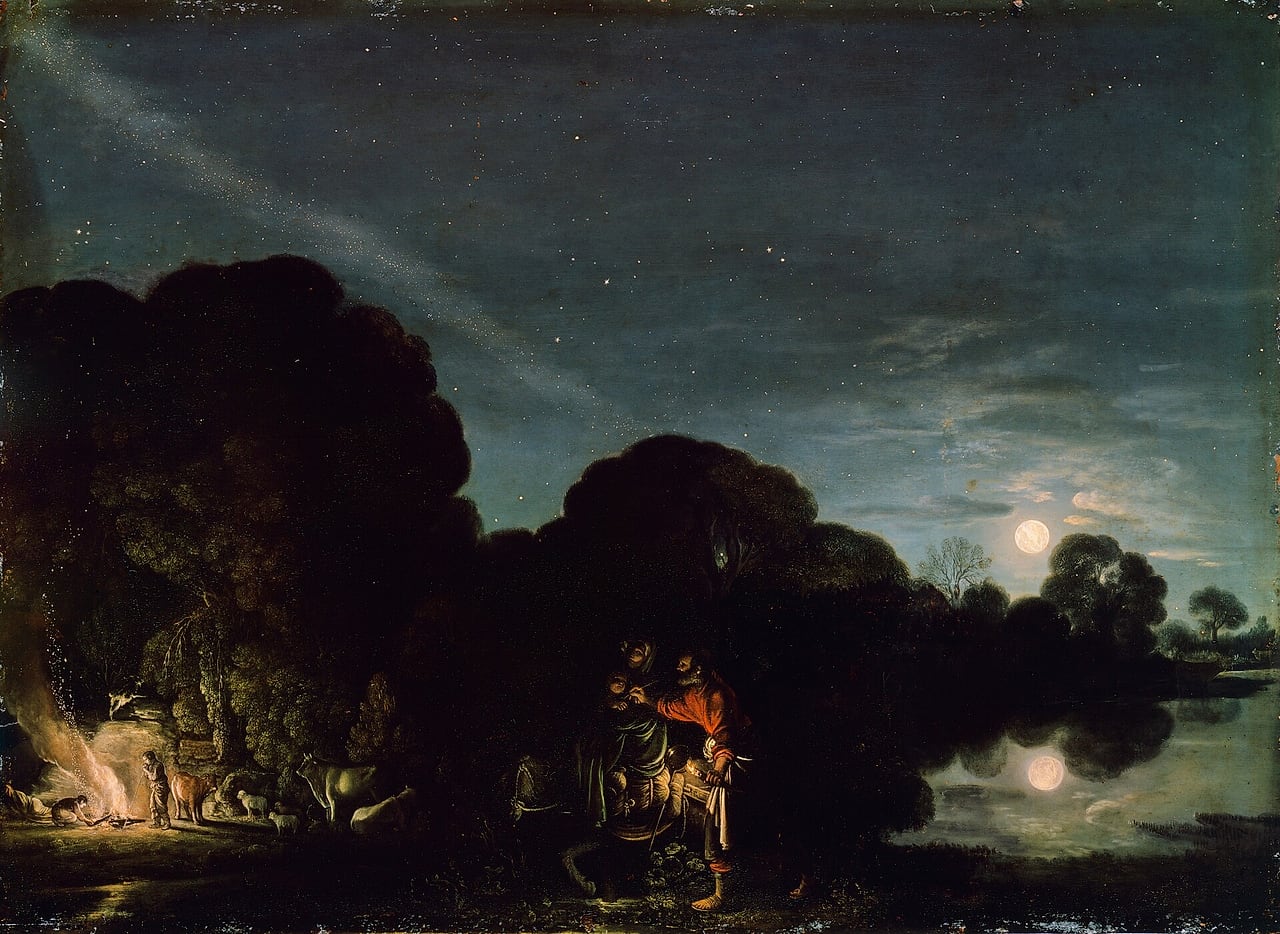 flight-egypt.jpg | The Flight into Egypt Adam Elsheimer 1609 Source ↗ | Public domain | Stats backdrop · FAQ backdrop | The scene Matthew tells with Hosea’s “out of Egypt I called my son”, a line that was never about the future. Pete’s first aha moment: the New Testament reading its scriptures creatively. |
Public-domain works are reproduced freely. CC BY / CC BY-SA images are credited to their photographers as required; follow each Source link for the full license text.