
Image Credits
The Resurrection
Every image on the debate page, with its source, license, and the reason it was chosen. The artwork is public-domain and freely-licensed material from Wikimedia Commons: paintings of the death, the empty tomb, the appearances, and the conversion of Paul that the two scholars argue over. Creative Commons works are noted below.
| Image | Work & Attribution | License | Where it appears | Why it’s included |
|---|---|---|---|---|
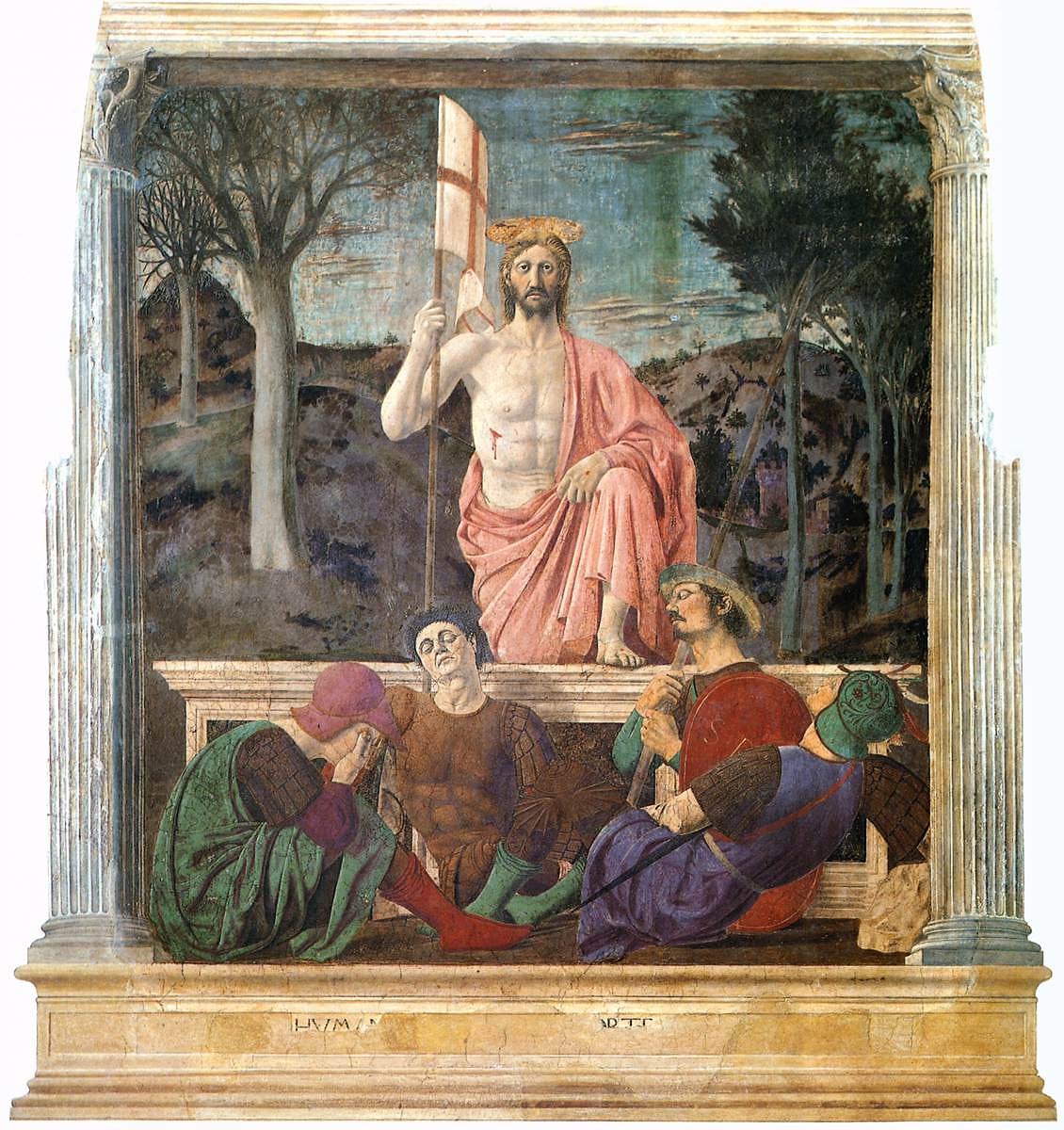 resurrection.jpg | The Resurrection Piero della Francesca c. 1463-1465 Source ↗ | Public domain | Hero background | Piero’s risen Christ rising over sleeping guards: the claim the whole debate is about. |
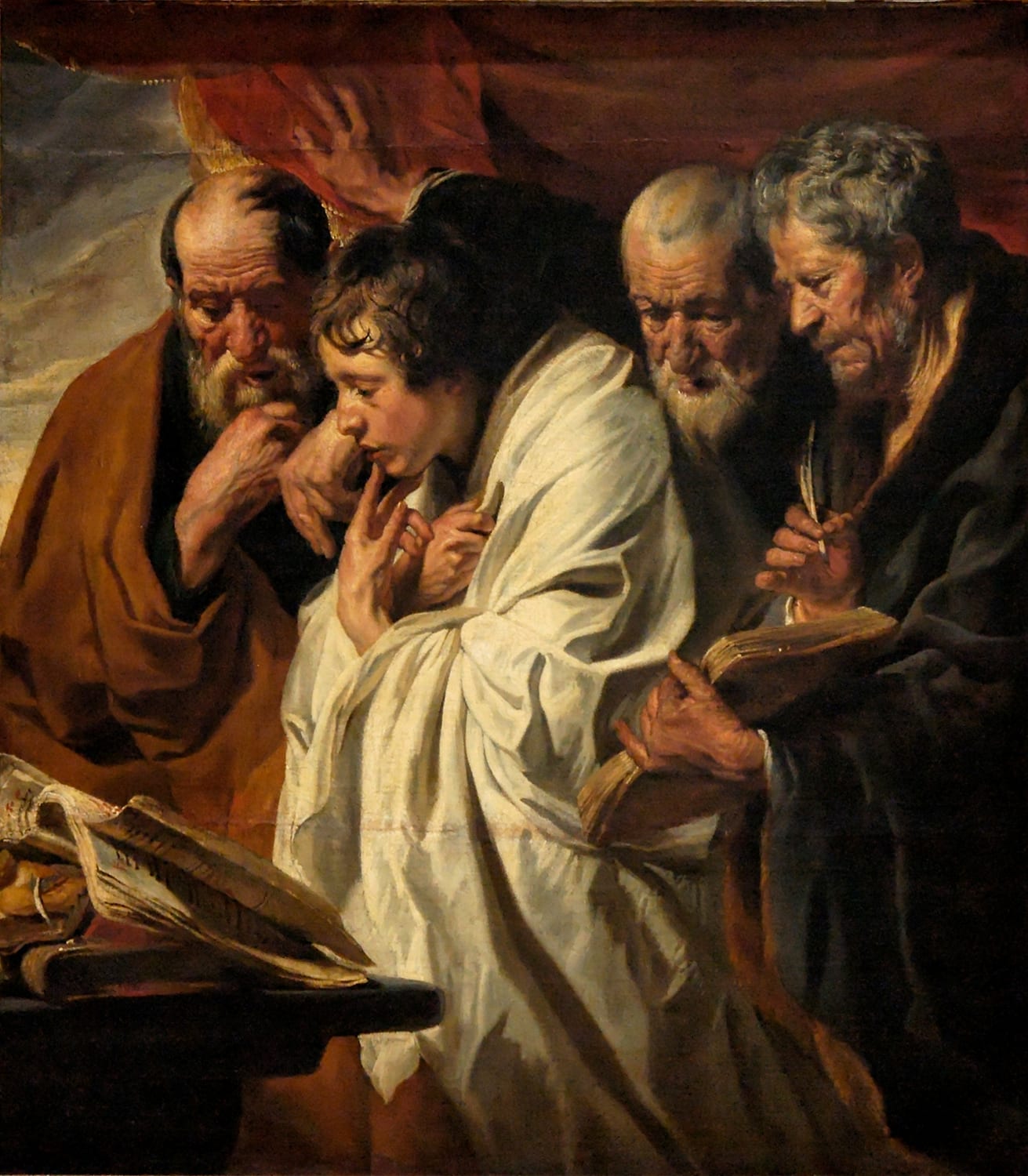 four-evangelists.jpg | The Four Evangelists Jacob Jordaens c. 1625 Source ↗ | Public domain | Hero ornament · Question I medallion | The gospel-writers whose testimony the debate first has to weigh. |
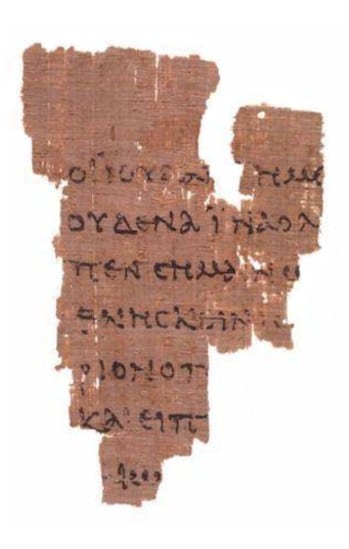 gospel-papyrus.jpg | Papyrus 52, Gospel of John 18:31-33 Unknown (2nd-century scribe) Papyrus 2nd century CE Source ↗ | Public domain | Hero ornament · Stats backdrop | P52, the earliest surviving scrap of a gospel: the fragile physical basis of the sources. |
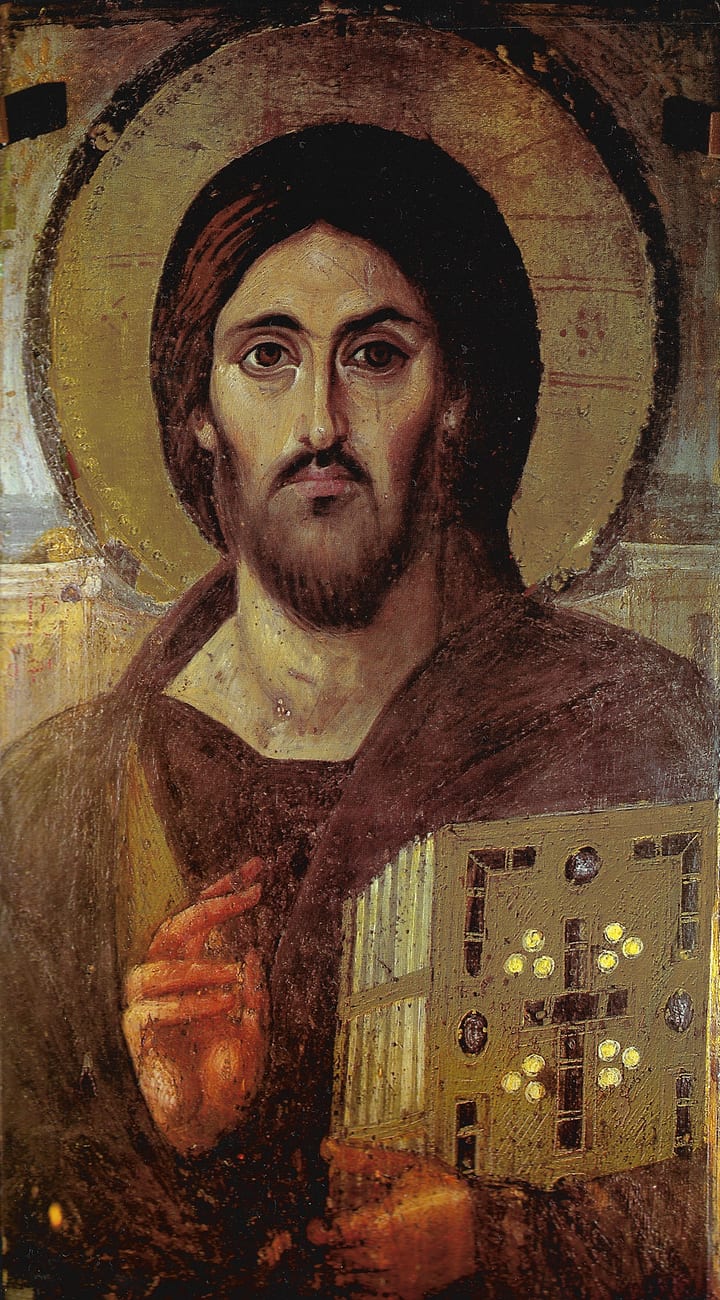 christ-pantocrator.jpg | Christ Pantocrator (Saint Catherine’s Monastery, Sinai) Unknown (Byzantine icon) 6th century CE Source ↗ | Public domain | Hero ornament · FAQ backdrop | The Sinai Pantocrator: the figure at the center of the question. |
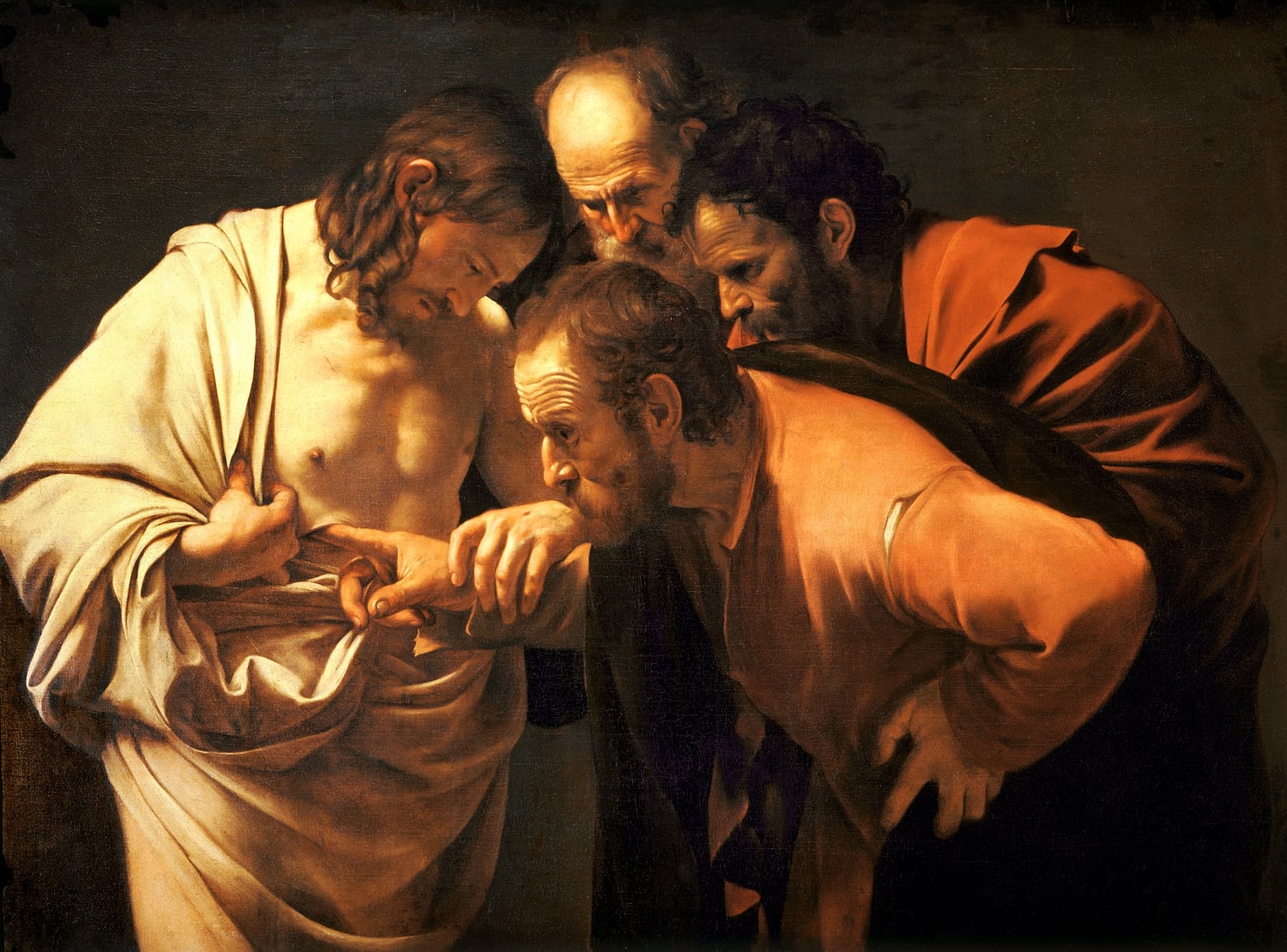 incredulity-thomas.jpg | The Incredulity of Saint Thomas Caravaggio c. 1601-1602 Source ↗ | Public domain | Origin section figure | Thomas demanding to touch the wounds: the oldest version of the debate’s own demand for evidence. |
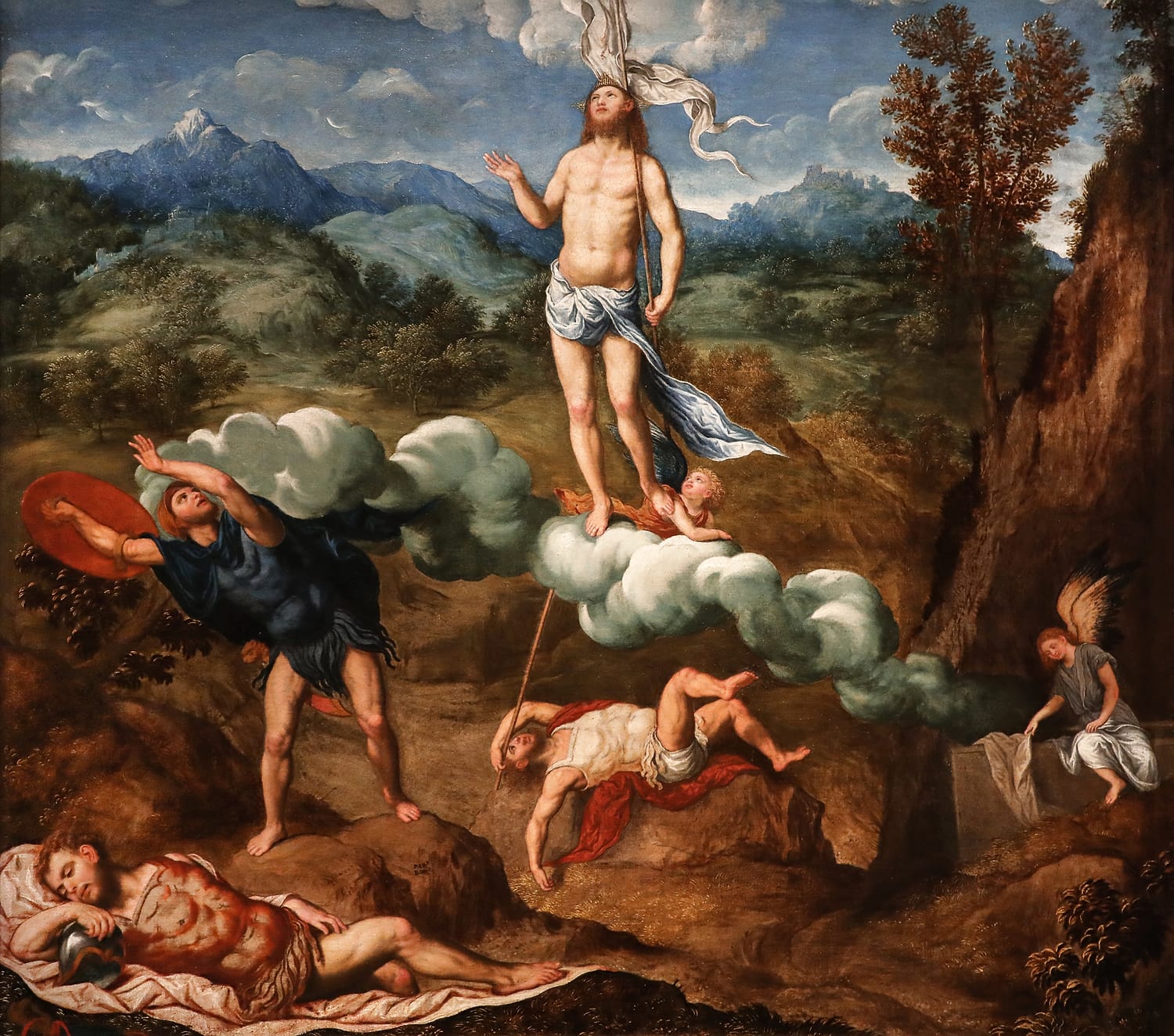 empty-tomb.jpg | The Resurrection Paris Bordone mid 16th century Source ↗ | CC BY-SA 4.0 | At-a-Glance backdrop · Question III medallion | The risen Christ leaving the tomb: the empty-tomb claim the scholars test. |
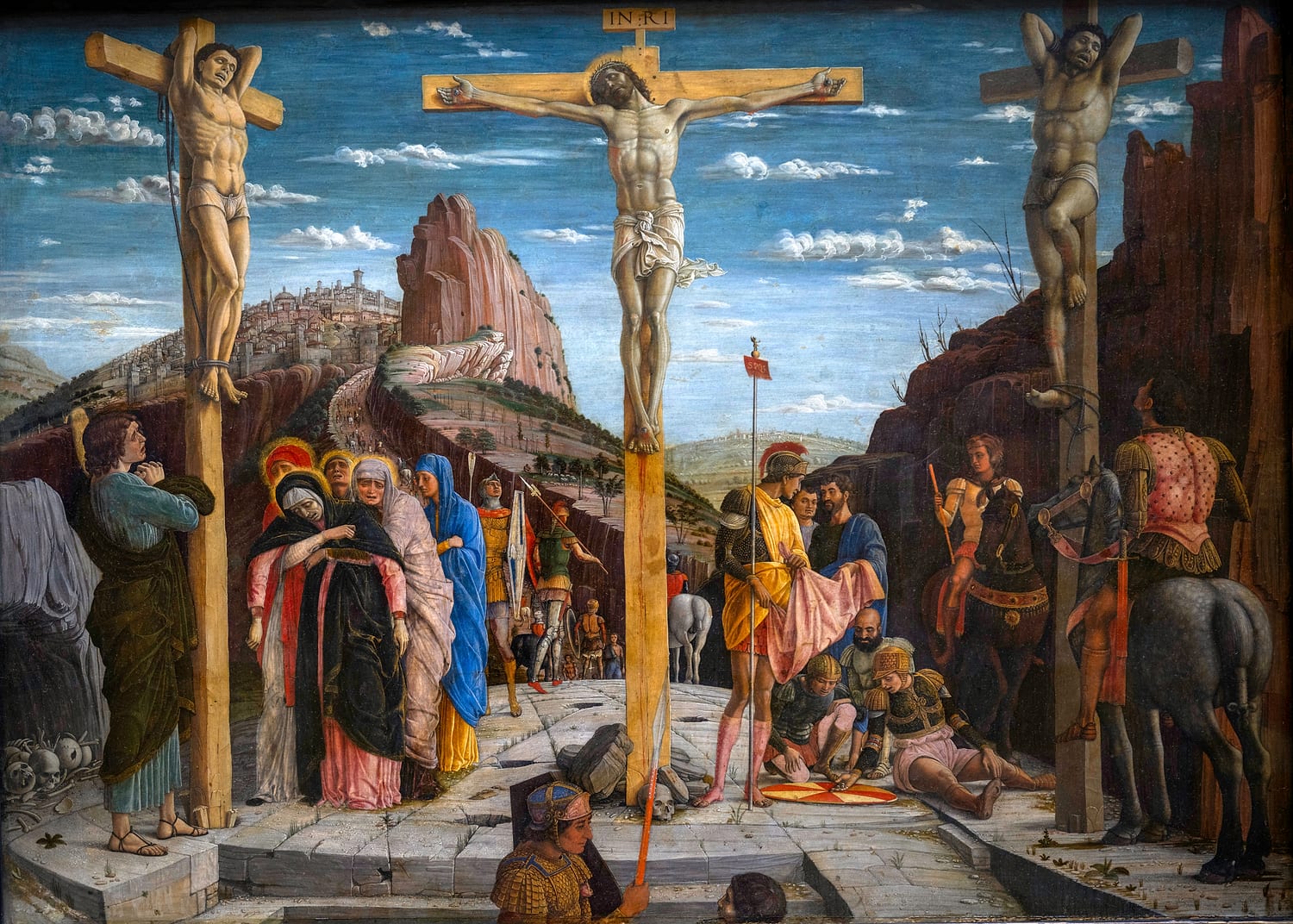 crucifixion.jpg | Crucifixion (Louvre) Andrea Mantegna c. 1457-1459 Source ↗ | Public domain | Question II medallion (Did Jesus really die?) | Mantegna’s crucifixion: the death that has to be established before any resurrection. |
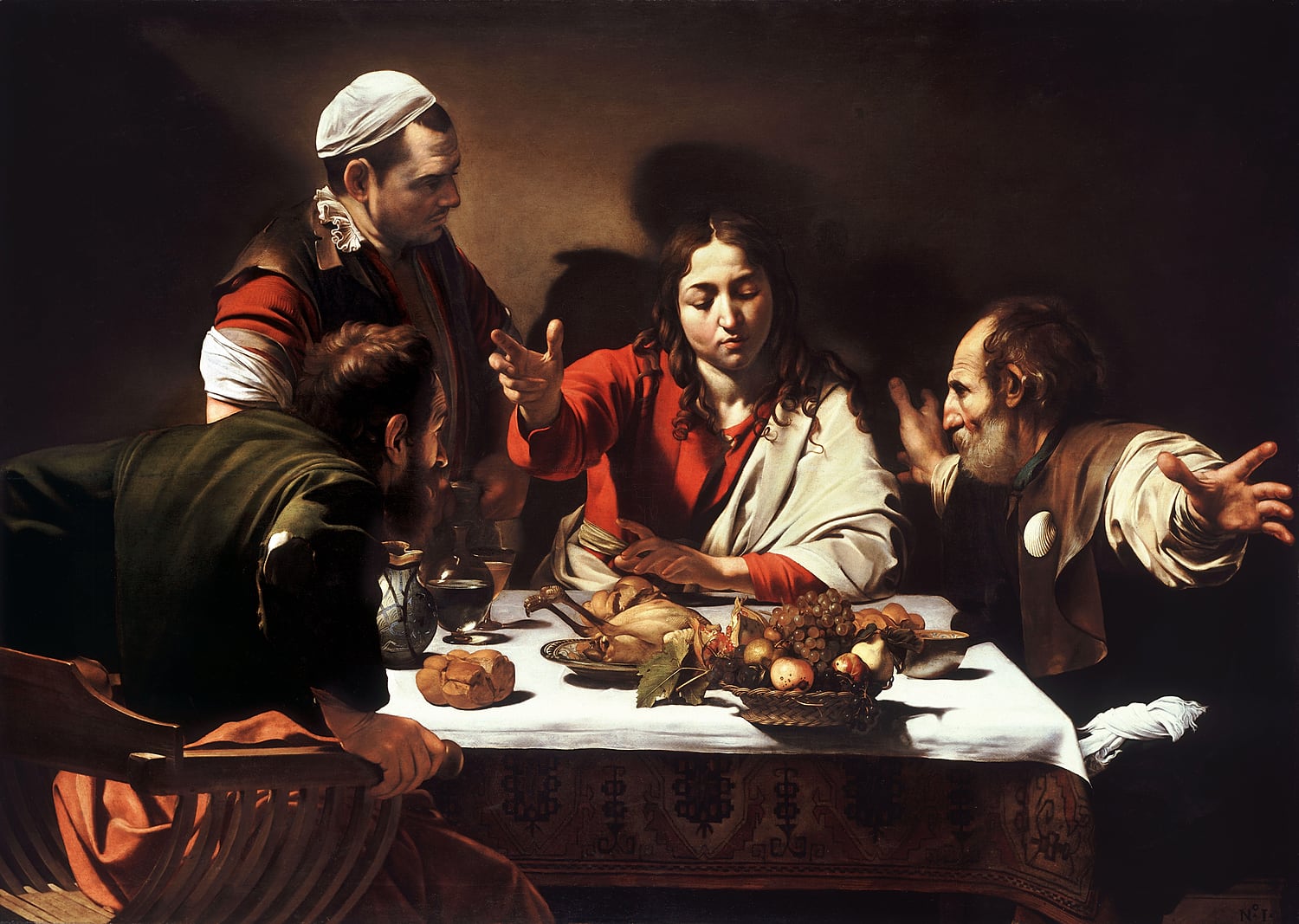 supper-emmaus.jpg | Supper at Emmaus Caravaggio 1601 Source ↗ | Public domain | Question IV medallion (Who saw him?) | Caravaggio’s Emmaus: a reported appearance of the risen Jesus, the kind of testimony the debate scrutinizes. |
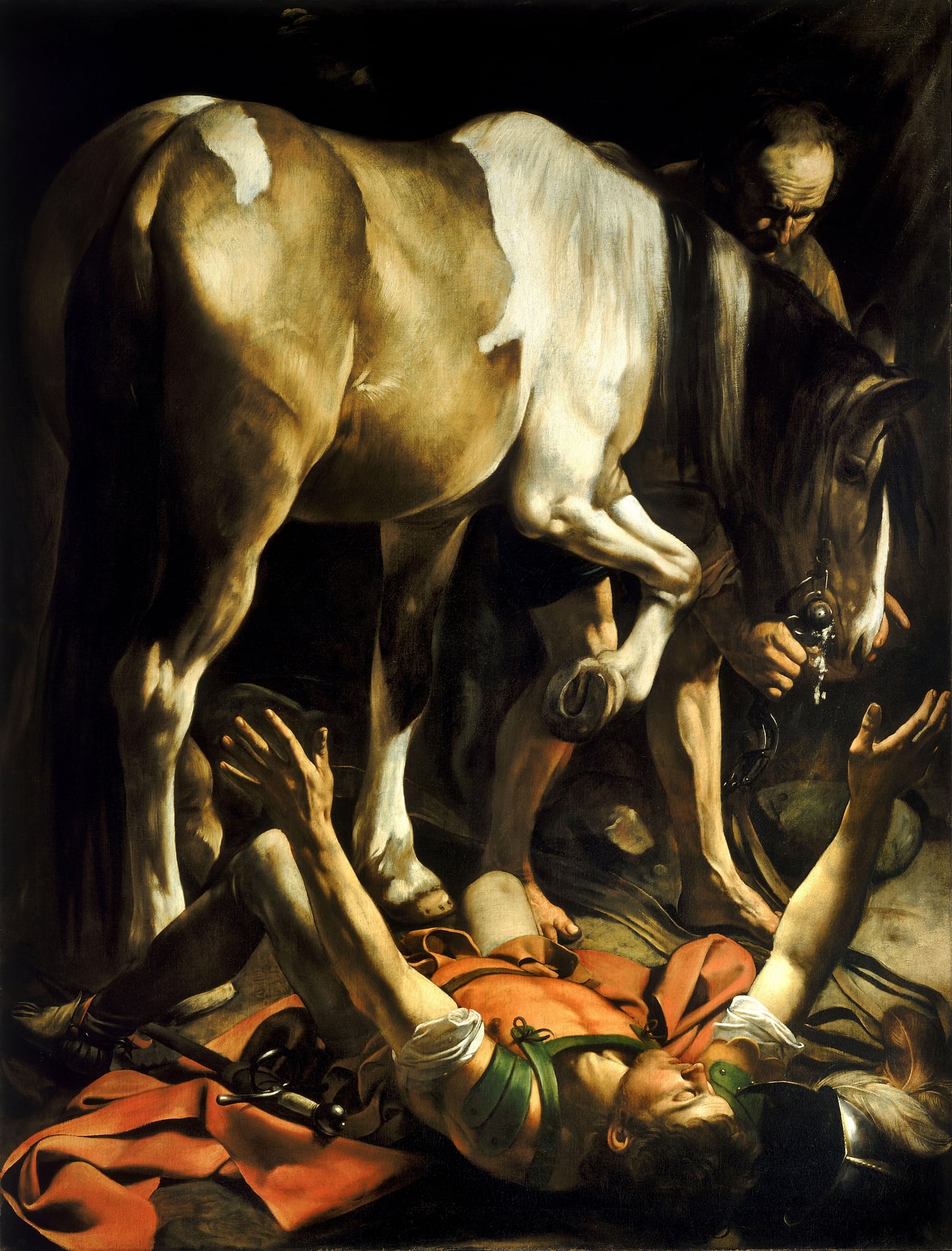 conversion-paul.jpg | Conversion on the Way to Damascus Caravaggio c. 1600-1601 Source ↗ | Public domain | Question V medallion (And then there’s Paul) | Caravaggio’s Paul struck down on the road: the conversion a skeptic has to explain. |
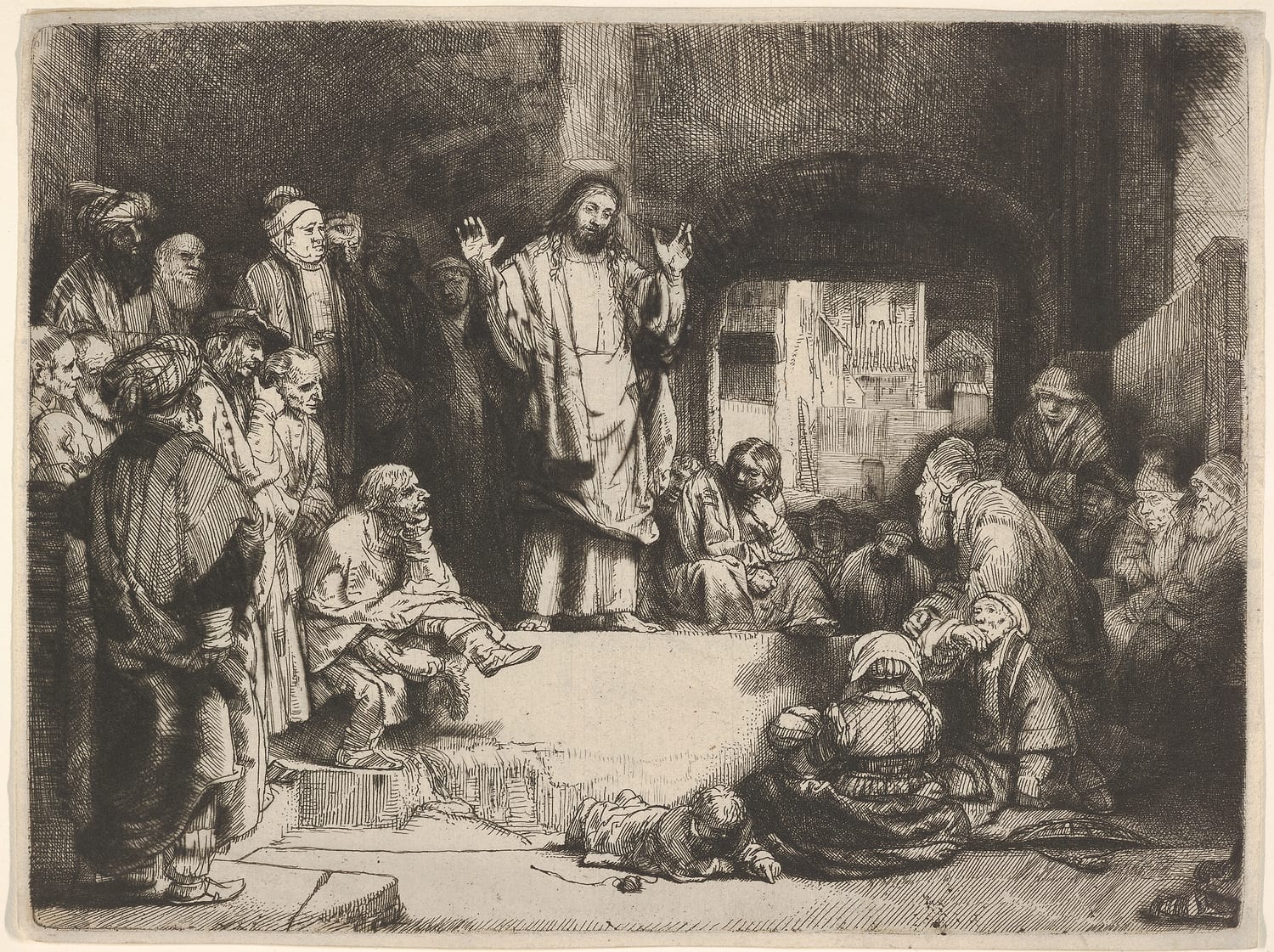 christ-preaching.jpg | Christ Preaching (La Petite Tombe) Rembrandt van Rijn c. 1652 Source ↗ | CC0 | Question VI medallion · “Prepare to Rethink” backdrop | Rembrandt’s teaching Jesus: the figure the “minimal facts” argument tries to reach. |
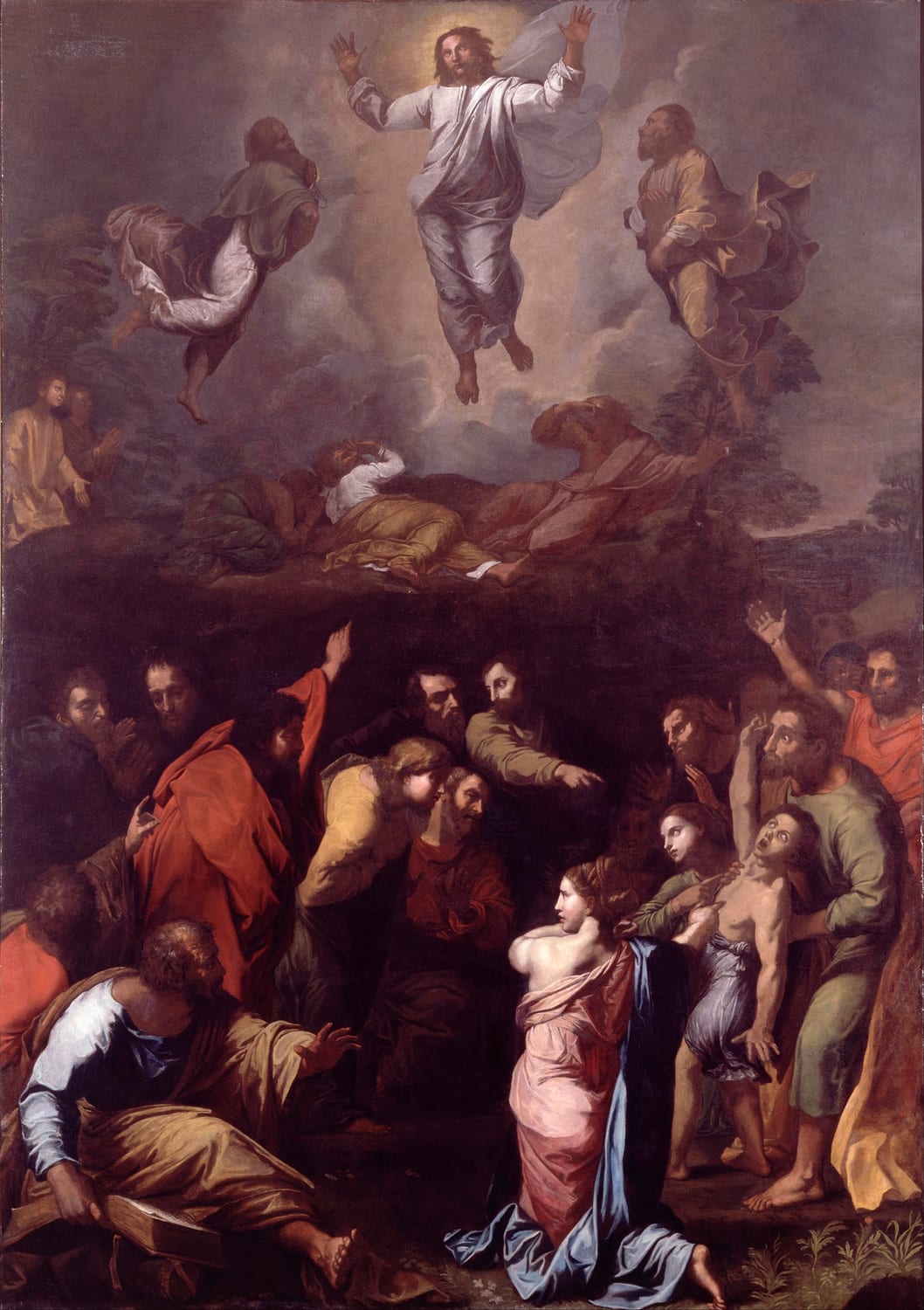 transfiguration.jpg | The Transfiguration Raphael 1516-1520 Source ↗ | Public domain | Instructor backdrop · Highlights backdrop | Raphael’s glorified Christ: the claim of the supernatural that the historian has to reckon with. |
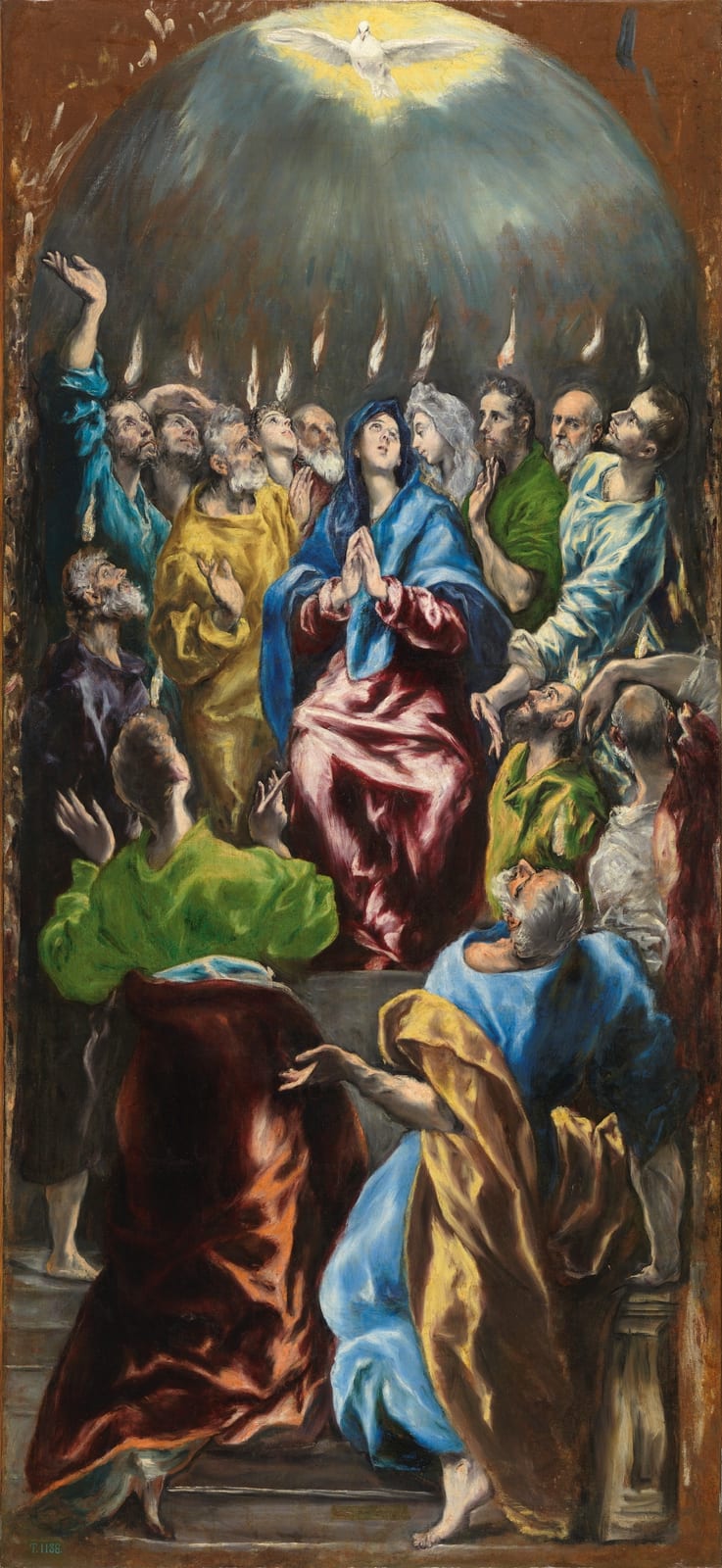 pentecost.jpg | Pentecost El Greco c. 1600 Source ↗ | Public domain | Bonuses backdrop | El Greco’s Pentecost: the movement the first witnesses launched after the events in question. |
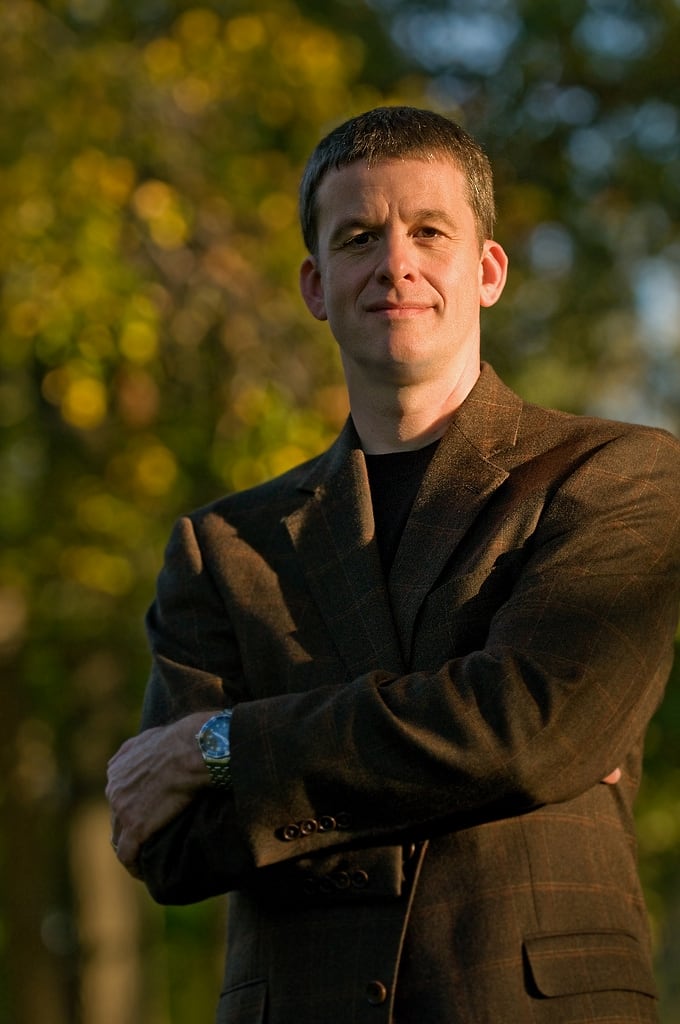 licona.jpg | Michael R. Licona Photo: John Patrick Wright 2014 Source ↗ | CC BY-SA 3.0 | Highlights image card (arguing for) | Dr. Mike Licona, who argues the for-side of the debate. |
Public-domain works are reproduced freely. CC BY / CC BY-SA images are credited to their photographers as required; follow each Source link for the full license text.