
Theme I
What Are the Ten Commandments?
The assumptions almost everyone brings, and the fact that the commandments appear twice, in Exodus and in Deuteronomy, and the two lists do not match. Comparing them is where the history starts.
Younger than you think, stranger than you remember.
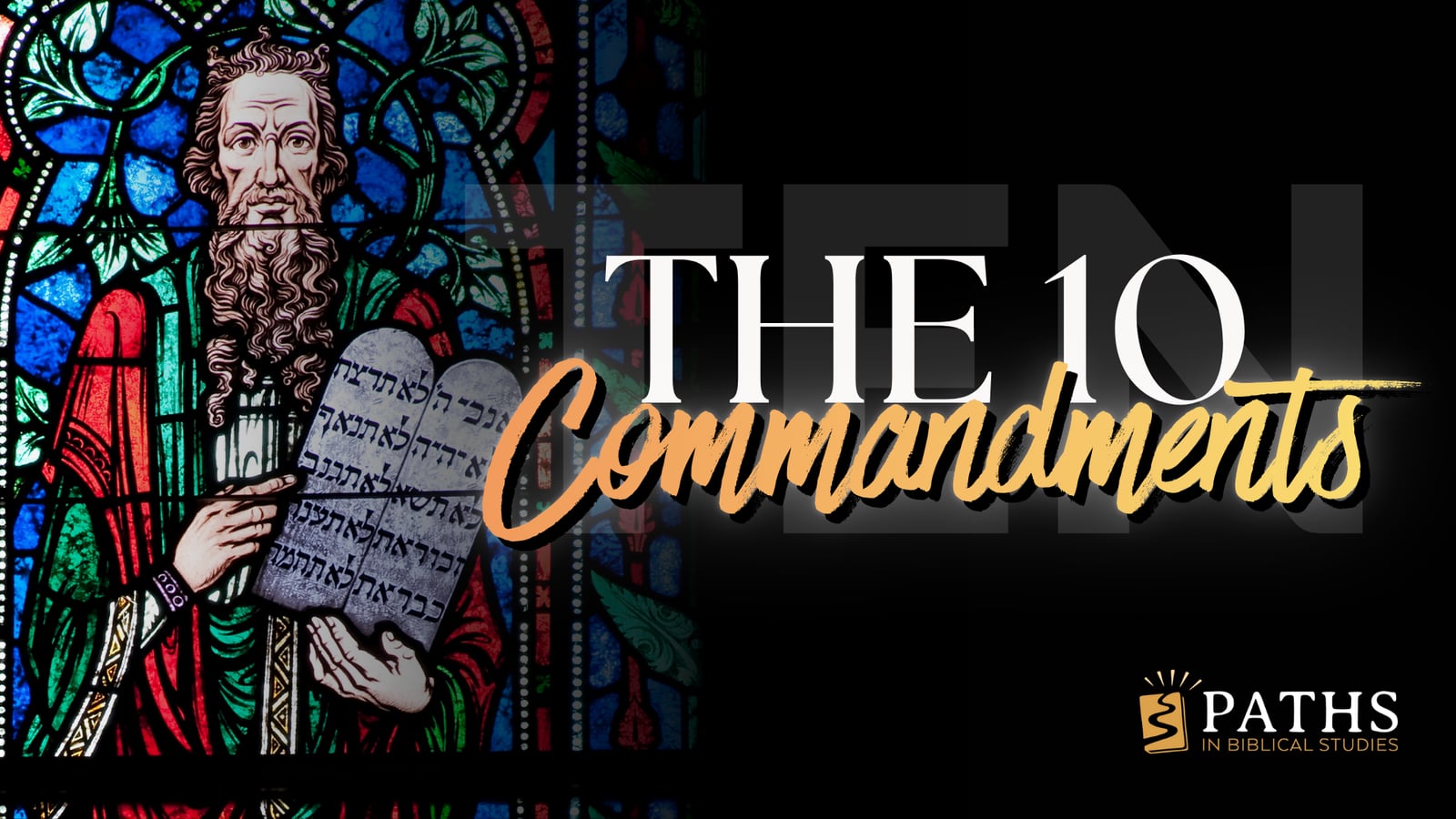
The Most Famous Laws in the Bible
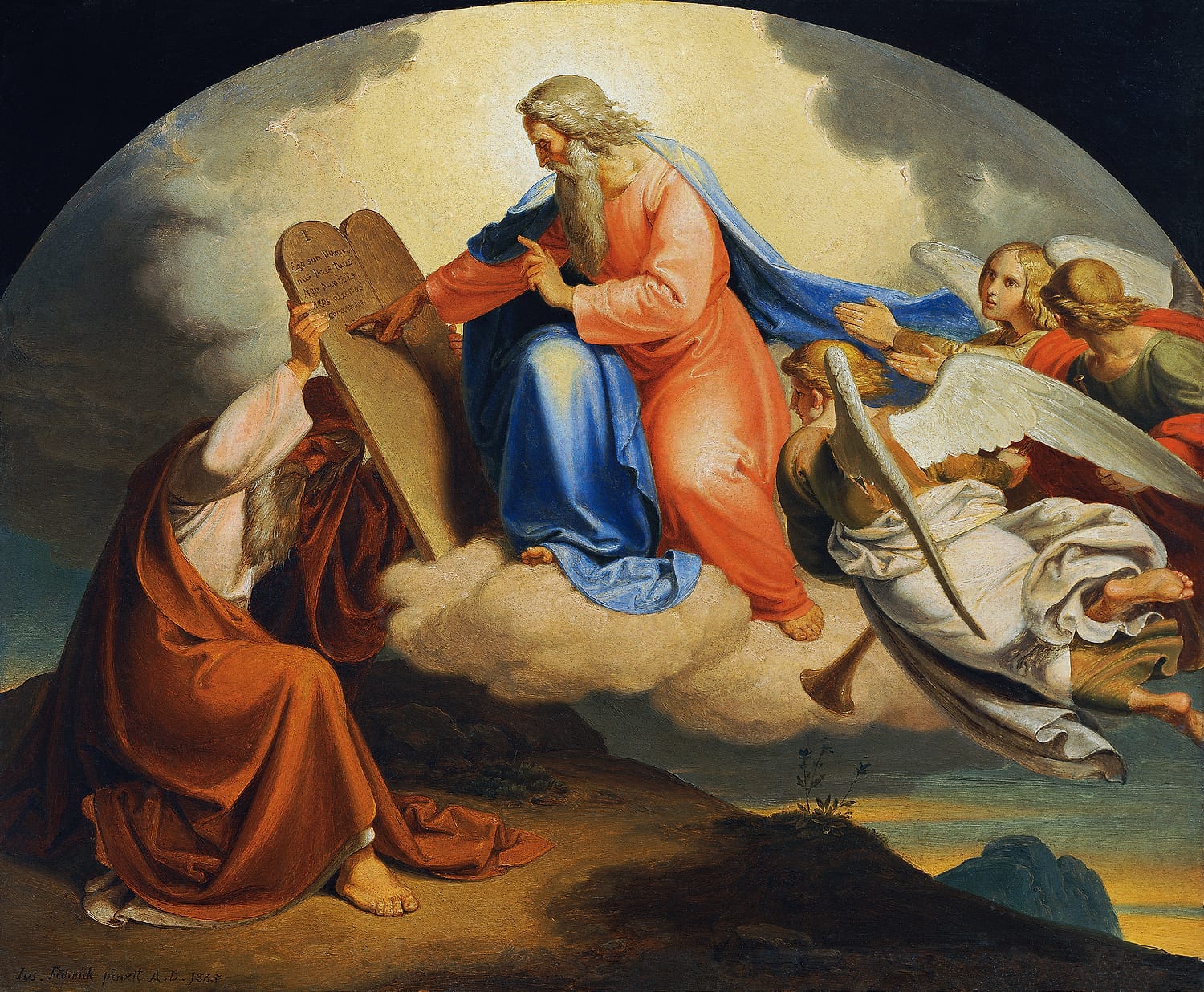
Everyone knows the Ten Commandments. They are carved over courthouse doors, printed on Sunday-school posters, fought over in legislatures. They are, supposedly, the bedrock: the oldest, most central laws in the Bible. Almost none of that is true.
The commandments appear twice in the Torah, once in Exodus and once in Deuteronomy, and the two lists do not agree. Several of the most familiar lines meant something different to the people who first wrote them down. And for much of ancient Israel’s history, they seem to have been barely known at all.
So how did this one set of laws become the law, the moral cornerstone of a civilization? The answer runs through a transformation two thousand years old, the moment a Jewish text became a Christian icon. This course goes back to the beginning and reads the most famous laws in the Bible as if for the first time.
Format
On-demand video
Lectures
10 · plus daily Q&A
Access
Lifetime, watch anytime
Instructor
Joel Baden
Specialty
Hebrew Bible & the Pentateuch
Five Days, Ten Lectures
Five days of lectures, from the two clashing versions of the law to the moment it became the cornerstone of Western morality.
The assumptions almost everyone brings, and the fact that the commandments appear twice, in Exodus and in Deuteronomy, and the two lists do not match. Comparing them is where the history starts.
Lifted out of their narrative, the commandments lose their strangest features, including a surprising tie to the golden calf, and the question of whether they were ever as central as we assume.
The opening commandments are not the monotheistic manifesto we take them for. What it meant to take God’s name “in vain,” and what the Sabbath first was, are both stranger than expected.
Honoring parents, killing, adultery, theft, false witness, coveting. Why some read “theft” as “kidnapping,” and how a thought, coveting, could be turned into a crime.
How the commandments traveled from an important Jewish text to the cornerstone of Christian ethics, a two-thousand-year shift that changed what they mean to this day.
 Joel Baden · 2026
 Professor of Hebrew Bible · Yale University
Joel Baden is Professor of Hebrew Bible at Yale University, and the Director of the Center for Continuing Education at the Yale Divinity School. He works widely in the field of biblical studies, with special attention to the literary history of the Pentateuch.
What This Course Offers
Joel Baden reads the most familiar text in the Bible the way historians actually read it, by version, in context, and across the centuries, for anyone who wants to see past the monument to the original.
Exodus and Deuteronomy give two different Ten Commandments. Reading them against each other is where the real history begins.
Joel Baden’s research is the composition of the Torah itself. You get a leading authority on how these texts were actually made, not a summary.
How a Jewish text became the cornerstone of Christian ethics, and what that did to its meaning.
All ten lectures and the daily Q&A on demand, the moment you enroll. Lifetime access to revisit and rewatch.
Behind the courthouse monuments and Sunday-school posters lies a far stranger ancient text.
No Hebrew and no prior study needed. Baden introduces every text and every debate as the course unfolds.
Common Assumption
They’re the oldest laws in the Bible.
In fact
They are younger than the story implies, and where they actually sit in the history of Israel’s law is not where tradition puts them.
Common Assumption
They mean what we think they mean.
In fact
Taking God’s name “in vain,” the Sabbath, “thou shalt not kill”: several of the most familiar lines meant something quite different to the people who first wrote them down.
Common Assumption
They were always central to the faith.
In fact
Outside the few stories that contain them, the commandments are oddly absent from ancient Israel’s writings. Their starring role came much later, and from an unexpected direction.
Common Assumption
The first commandment is a statement of monotheism.
In fact
Read closely, the opening lines are not the declaration that there is only one God that everyone assumes. What they are really doing sets the tone for the whole list.
All ten lectures and the daily Q&A replays are available to watch the moment you enroll. Click any lecture to read its description.
Setting the Stage. The basic assumptions most people bring to the Ten Commandments, and the kinds of questions that lead to a radically different picture.
The Twenty Commandments. The commandments appear twice in the Pentateuch, once in Exodus and once in Deuteronomy, and they are not identical. Comparing the two versions is fundamental to understanding their origins.
The Story They Belong To. Usually isolated from their narrative context, the commandments actually play a specific role in the story, including their surprising connection to the golden calf.
How Famous Were They, Really? Were they really the central set of laws everyone assumes? We examine the evidence and find they do not seem to have been well known outside the stories in which they appear.
The First Commandment(s). Often read as a great monotheistic statement, the opening commandments are nothing of the sort. What these verses are really about, and how they set the tone for everything that follows.
The Divine Name & the Sabbath. Two classics that did not mean back then what we think they mean now. What did it really mean to take God’s name “in vain,” and what was the Sabbath originally imagined to be?
Honoring Parents & Killing. Two commandments that seem simple, but few things are as simple as they look. What did “honor your father and mother” mean in ancient Israel? Is the prohibition really on all killing?
Adultery, Theft & Coveting. Adultery, theft, false witness, and coveting. Why did some interpreters insist “theft” meant “kidnapping,” and how can you make it a crime to covet something?
From Jewish Text to Christian Cornerstone. How the commandments went from an important Jewish text to the cornerstone of Christian ethics, and how that two-thousand-year-old shift reshaped their meaning for everything that followed.
Retelling the Story. Stepping back to retell the story of the Ten Commandments with every insight gained over the course, and thinking about how we might understand them differently now.
Recordings of all five daily 15-minute live Q&A sessions, so you can revisit the audience questions and Baden’s answers anytime.
Download Baden’s full, professionally designed slide decks for all ten lectures, ideal for review, note-taking, or sharing with a study group.
Searchable transcripts of every lecture and Q&A, perfect for quoting, deeper study, or following along if English is not your first language.
MP3 downloads of every lecture. Listen on your commute, during a walk, or whenever you’re away from a screen.
An exclusive bonus lecture, the opening lesson of Dr. Joel Baden’s companion course, Rise and Fall of Biblical Israel.
$1 from every registration is donated to charity: water, bringing clean water to people in need.
Enjoy the course at a fraction of the cost
$499 Value Ten university-level lectures from a leading Pentateuch scholar at Yale. Comparable university courses run $2,000 to $4,000.
$119.95
Start today for $10.00*
Included in Your Purchase: Lifetime Access to This University-Level Course With:
*Paid monthly for 12 months
Enroll Now Single Course
Access this Course PLUS Every Course in Our Vault
(250+ Hours of Biblical Learning!)
then special rate $49.95/month
Joel Baden presents ten 50-minute lectures, two per day across the original five-day course, plus replays of the daily 15-minute live Q&A sessions. All are available on demand, so you can watch at your own pace.
It began as a live five-day Zoom course (April 19 to 23, 2026). It is now available in full as an on-demand recording, including the Q&A replays, so you can watch whenever works for you.
Once you have purchased the course, you will receive instructions by email to log in to our online course platform, ThriveCart Learn. Once logged in, you will find all ten lectures and the Q&A replays available to watch on demand. If you are a member of Biblical Studies Academy (BSA), your access will also be available inside the community.
Yes. All ten lectures are yours with lifetime access. You can watch them on any device, on your own schedule, and return to them as often as you like.
No prior knowledge is required, and no Hebrew. Baden introduces every text, the historical background, and the scholarly debates as the course unfolds. Whether you’re coming in fresh or already have a background in biblical studies, you’ll find it genuinely rewarding.
Yes. All video lessons include closed captioning, and full transcripts are included with the course, so you can follow along in text or search for specific passages.
We accept PayPal and all major credit cards.
Absolutely. If you don’t love the course, send us an email at support@bartehrman.com within 30 days of purchase and we will refund every penny.
The regular price for university-level courses of this caliber is typically $2,000 to $4,000. We don’t offer college credit, but this course delivers the same depth and rigor at a fraction of the cost, making world-class biblical scholarship accessible to everyone.