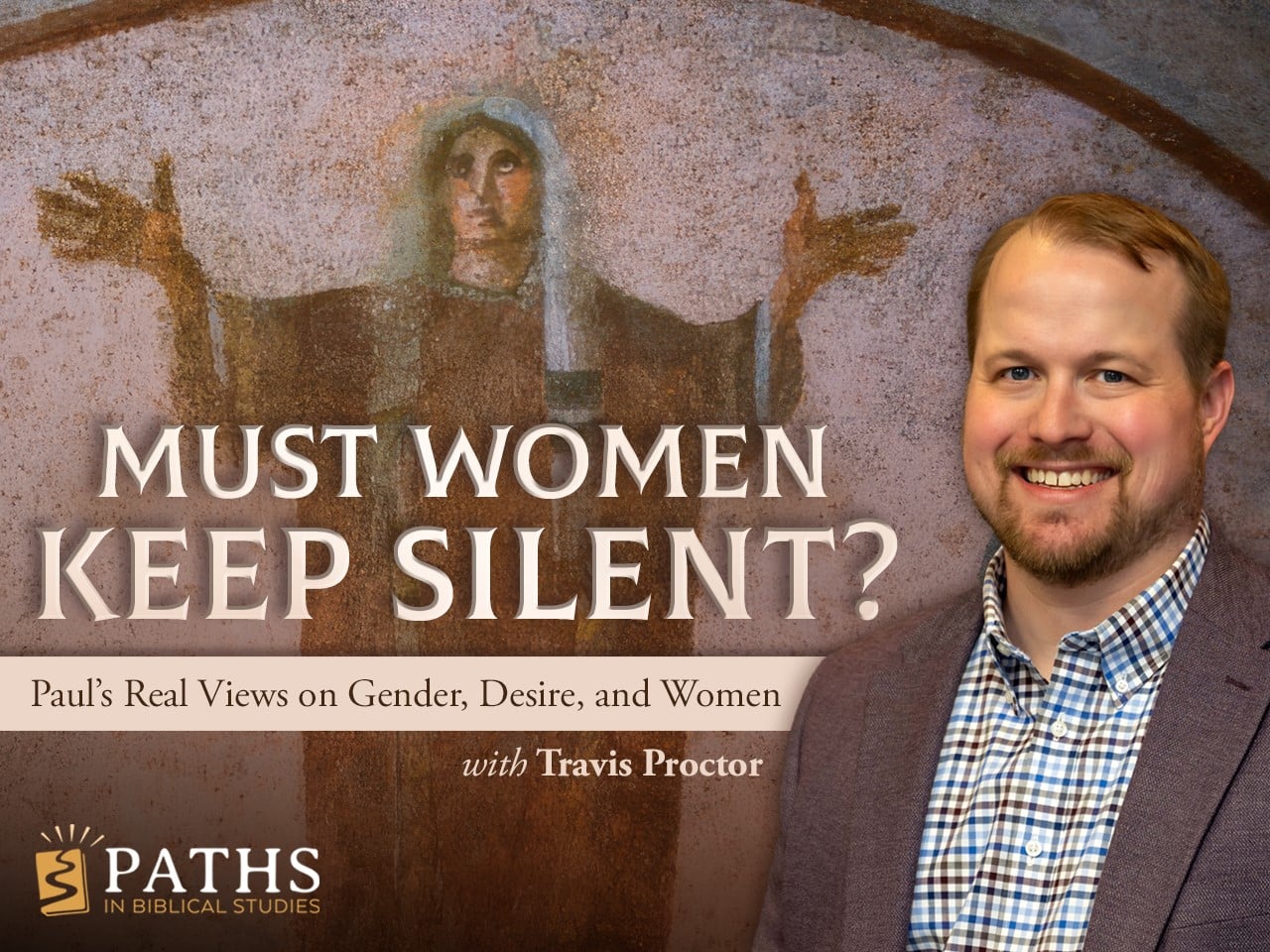
Ask whether the Apostle Paul freed women or silenced them, and the honest answer is: it depends which Paul you’re reading. In one letter, Paul names women as deacons and apostles, yet in another he commands women to be silent in church.
Both statements survived. Both got quoted for 2,000 years. That’s the problem this course takes on. In his seven authentic letters Paul is answering real arguments about marriage, desire, veils, and who may speak in the assembly. He is, by turns, more radical and more conservative than you have been told.
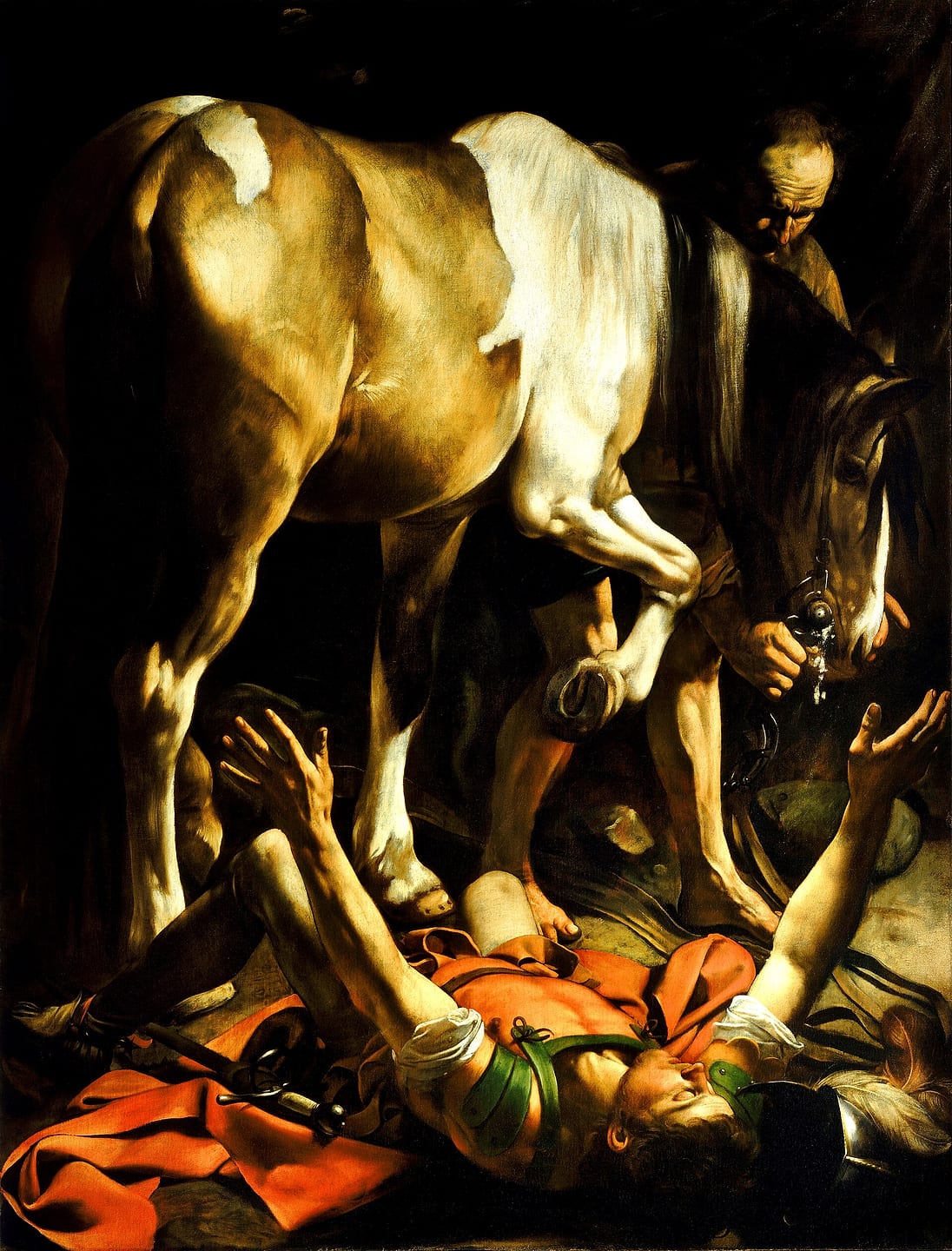
Then his name took on a life of its own. Later writers signed his authority to opposite causes: the Pastoral Epistles to shut women up, the Acts of Paul and Thecla to send a woman out preaching. The Paul we argue about today is many voices at once, filtered through centuries of reception, forgery, and interpretation. Every claim on his name was also a power move: a bid for authority over what a Christian should be.
This course untangles them.