Theme I
What Is a Gospel?
The strange literary form of the gospel, and the question of what “gospel” there was at all before anything was written down.
Why Matthew, Mark, and Luke tell the same story, and don’t.
Seen Together
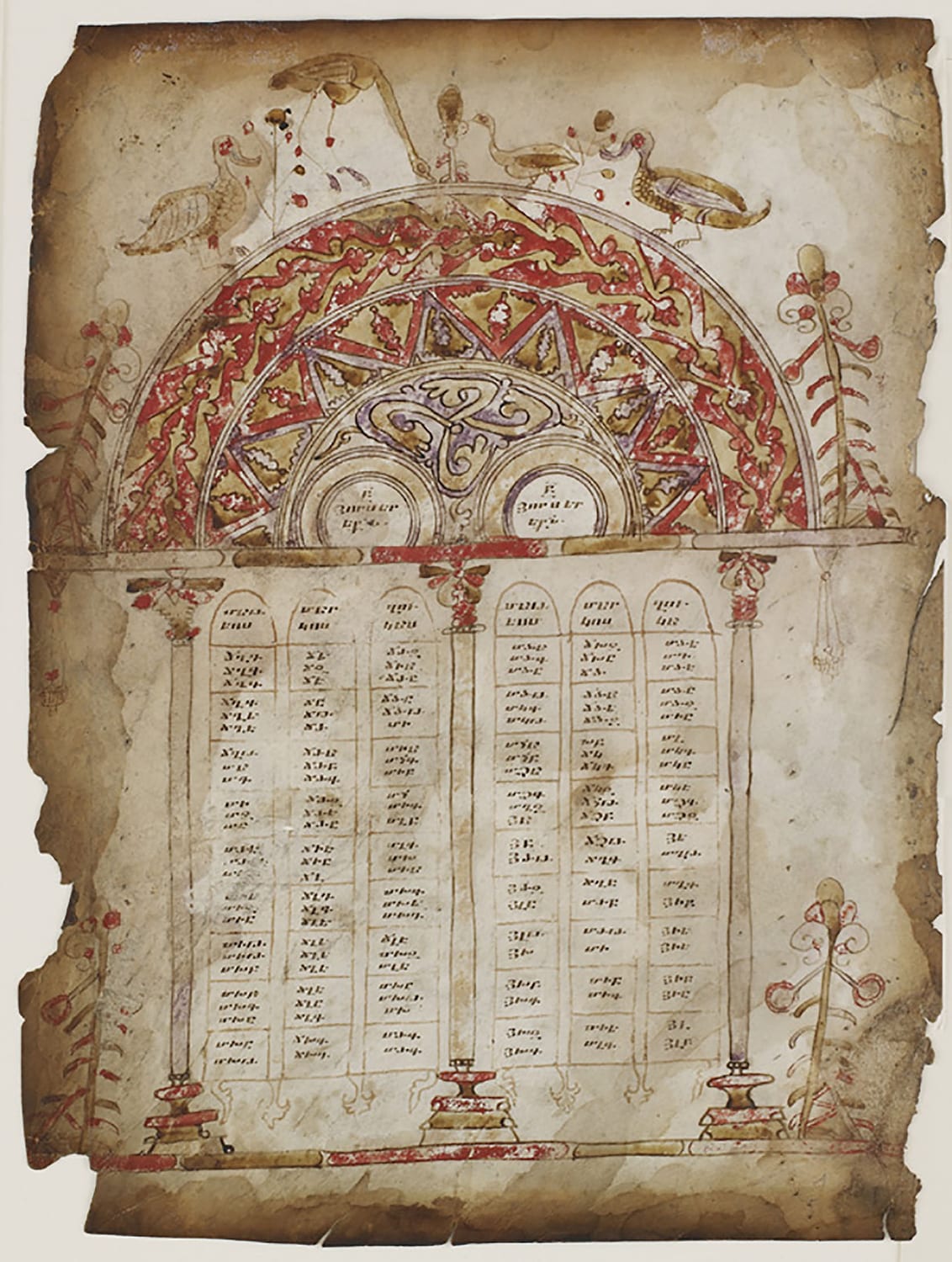
Three of the four gospels, Matthew, Mark, and Luke, are so alike you can set them in parallel columns and read across. That is why they are called the Synoptics, “seen together.” And yet, read closely, they disagree about almost everything that matters.
They tell the birth of Jesus in two incompatible ways, or not at all. They give him different last words on the cross. They end the resurrection differently. Sometimes they agree word for word; sometimes they flatly contradict. Why?
That tangle, who copied whom, what lost source might lie behind them, and why each evangelist shaped Jesus the way he did, is the great mystery of the Synoptic Gospels. Mark Goodacre, who literally wrote The Case Against Q, walks straight into it.
Format
On-demand video
Lectures
16 · plus Q&A each
Access
Lifetime, watch anytime
Instructor
Mark Goodacre
Specialty
The Gospels & Christian Origins
Six Themes
From the strange form of the gospel, through the Synoptic problem and the case against Q, to three rival portraits of Jesus.
The strange literary form of the gospel, and the question of what “gospel” there was at all before anything was written down.
Why Matthew, Mark, and Luke are so alike and so different, the case for Mark first, and the great question: did the lost source “Q” ever exist?
The birth, the trial, the crucifixion, the resurrection: four turning points told three different ways, and what the differences reveal.
Who actually wrote these anonymous books, when they were written, and how the names Matthew, Mark, and Luke ever got attached.
Mark’s secretive messiah, Matthew’s intensely Jewish Jesus, and Luke the historian-theologian: three very different Christs.
What finally drove the writing of the gospels, who they were for, and how three short books remade Christianity.
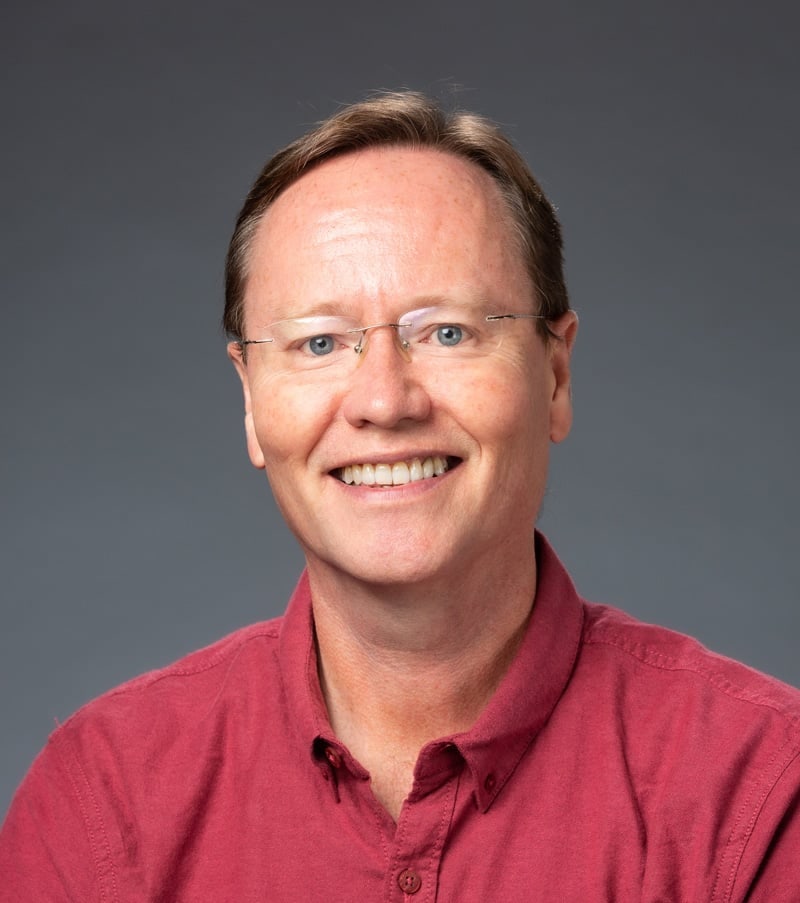 Mark Goodacre · 2026
 Professor of Religious Studies · Duke University
Mark Goodacre is a Professor of Religious Studies at Duke University, North Carolina, USA. He earned his MA, M.Phil and DPhil at the University of Oxford. His research interests include the Gospels, the Apocryphal New Testament, and the Historical Jesus. He is the author of five books and multiple articles on these and other topics, and he is the host of the NT Pod.
What This Course Offers
Mark Goodacre reads the three gospels in parallel, the way scholars actually compare them, for anyone who has noticed the cracks and wondered what is going on.
Matthew, Mark, and Luke read in parallel, the way scholars actually compare them, for what each one is doing differently.
Mark Goodacre wrote the book challenging the most famous theory in gospel studies. You get the argument from the scholar who made it.
The birth, the trial, the cross, the empty tomb: the same moments, told in strikingly different ways.
All sixteen lectures and their Q&A sessions on demand, the moment you enroll. Lifetime access to revisit and rewatch.
The messianic secret, the missing ending of Mark, the riddle of Q: the puzzles that keep scholars arguing.
Built for everyone from curious learners to seasoned scholars. No Greek and no prior study needed.
Common Assumption
The Gospels are independent eyewitness accounts.
In fact
The verbal agreements between Matthew, Mark, and Luke are far too exact for independent witnesses. They are copying, and untangling who copied whom is the heart of the course.
Common Assumption
Q, the lost source behind the gospels, certainly existed.
In fact
Your instructor wrote the book against it. Maybe Luke simply read Matthew, and the most famous hypothetical document in biblical studies never existed at all.
Common Assumption
Matthew, Mark, and Luke tell the same story.
In fact
Lay the birth, the trial, the crucifixion, and the resurrection side by side and they diverge sharply. The differences are not errors; they are each evangelist’s theology showing.
Common Assumption
The Gospels were written by Matthew, Mark, and Luke.
In fact
All three are anonymous. The familiar names were attached generations later, and who actually wrote them is far from settled.
All sixteen lectures and their Q&A sessions are available to watch the moment you enroll. Click any lecture to read its description.
The nature of gospel literature, ancient biography versus the unique gospel form, why there are four canonical gospels, and what “Synoptic” means.
The earliest Christian preaching before anything was written, and how that first message shaped the later gospel narratives.
The striking verbal agreements and shared ordering across the three gospels, and the case for literary dependence over independent testimony.
The substantive differences: material shared by Matthew and Luke but absent from Mark, and the unique material in each gospel.
The widely-held theory of Marcan priority, that Matthew and Luke both used Mark as a source.
The hypothetical lost source “Q,” the double-tradition material, and whether Q is needed at all, or Luke simply knew Matthew.
Matthew’s Magi and star against Luke’s shepherds and angels, and the historical reliability of each nativity.
The variations in Jesus’ arrest and trial, including Judas’ death in Matthew and the Herod trial in Luke, history against invention.
The differences at the cross: the robbers, Jesus’ final words, and Matthew’s earthquake and apocalyptic signs.
Mark’s abrupt empty tomb against the appearance accounts of Matthew and Luke, and where the variations came from.
How three anonymous works were attributed to Matthew, Mark, and Luke, and what can be known about their real authors.
Dating the gospels from the textual evidence, especially in relation to the Jewish War of 66 to 70 CE.
Mark’s enigmatic Jesus, who speaks in parables to conceal, silences demons, and demands secrecy: the famous Messianic Secret.
Matthew’s deep Hebrew Bible roots and Jewish framing alongside its sharp rhetoric against the Pharisees.
Luke’s chronological precision and literary polish against the question of his historical accuracy and theological agenda.
The catalyst behind the gospels, their intended audiences, and their transformative impact on Christianity.
A 15-minute recorded Q&A paired with each of the sixteen lectures, where students put their questions to the instructor.
Short, self-paced quizzes spread across the course, to review the key arguments and evidence as you go.
Downloadable lesson guides with recommended readings and reflection questions for going deeper on your own or with a study group.
MP3 downloads of every lecture. Listen on your commute, during a walk, or whenever you’re away from a screen.
$1 from every registration is donated to charity: water, bringing clean water to people in need.
Enjoy the course at a fraction of the cost
$795 Value Sixteen university-level lectures from a Duke gospels scholar. Comparable semester-length university courses run $2,000 to $4,000.
$249
Start today for $20.75*
Included in Your Purchase: Lifetime Access to This University-Level Course With:
*Paid monthly for 12 months
Enroll Now Single Course
Access this Course PLUS Every Course in Our Vault
(250+ Hours of Biblical Learning!)
then special rate $49.95/month
Dr. Mark Goodacre presents sixteen 50-minute lectures, each paired with a 15-minute Q&A session, plus four quizzes, PDF lesson guides, and audio downloads. All are available on demand, so you can watch at your own pace.
No. This is a recorded, on-demand course. You get the full lectures and Q&A sessions to watch whenever you like, as many times as you like.
Once you have purchased the course, you will receive an email with instructions to log in to our online platform, ThriveCart Learn, where you will find all sixteen lectures, the Q&A sessions, and every handout, on any device, with lifetime access. If you are a member of Biblical Studies Academy (BSA), your access will also be available inside the community.
No prior background is required, and no Greek. The course is designed for motivated learners at any level, from the curious to the seasoned. Everything is introduced as it comes up.
Yes. The course is yours with lifetime access. Watch the lectures, review the guides, and return to the material as often as you like, on any device.
There are four short, self-paced quizzes to help you review, plus recommended readings and reflection questions. There are no assignments to submit or grade.
Yes. All course videos include optional closed captions, which make the lectures easier to follow and help meet accessibility needs.
We accept PayPal and all major credit cards.
Absolutely. If you don’t love the course, send us an email at support@bartehrman.com within 30 days of purchase and we will refund every penny.